
استيراد قطع غيار السيارات إلى البرازيل: الدليل الكامل 2026
ملخص: البرازيل ثامن أكبر سوق للسيارات عالميًا، وتستورد قطع غيار سيارات بأكثر من 12 مليار دولار سنويًا. يغطي هذا الدليل عملية الاستيراد كاملة — من تصنيف HS إلى التخليص الجمركي.

صناعة السيارات في البرازيل ومشهد الاستيراد
البرازيل ثامن أكبر سوق للسيارات في العالم والأكبر في أمريكا اللاتينية، إذ تنتج نحو 2.4 مليون مركبة سنويًا. وتُقدَّر قيمة سوق قطع غيار السيارات في البلاد بأكثر من 40 مليار دولار، وتشكل الواردات نحو 12 مليار دولار سنويًا — وهو رقم نما 15% منذ 2023 مع تزايد اعتماد المصنّعين المحليين على المكونات الأجنبية المتخصصة.
الدول المورّدة الرئيسية هي ألمانيا (ناقلات الحركة ومكونات المحركات والقطع الفاخرة)، واليابان (الوحدات الإلكترونية وتقنية الهجين)، والصين (القطع السلعية وألواح الهيكل ومكونات ما بعد البيع)، والولايات المتحدة (القطع المتخصصة ومكونات الخدمة الشاقة)، والأرجنتين (القطع المتداولة بموجب اتفاقية السيارات الثنائية لميركوسور). وقد نمت الصين لتصبح ثاني أكبر مورّد من حيث الحجم، مدفوعة بالأسعار التنافسية لقطع ما بعد البيع وقطع الاستبدال.
تتركز سلسلة توريد السيارات البرازيلية في ولايات ساو باولو وميناس جيرايس وبارانا وريو غراندي دو سول. وتدخل معظم الواردات عبر ميناء سانتوس (SP) وميناء باراناغوا (PR) ومطار غوارولوس الدولي (GRU) للشحن الجوي. وفهم فروق ضريبة ICMS الإقليمية بين نقاط الدخول هذه يمكن أن يؤثر بشكل كبير على إجمالي تكلفة الوصول.
تصنيف HS لقطع غيار السيارات
التصنيف الصحيح وفق النظام المنسق HS هو أهم عامل منفرد في تحديد تكاليف استيرادك. تندرج قطع غيار السيارات أساسًا تحت الفصل 87 من رموز HS، حيث يغطي HS 8708 'أجزاء ومستلزمات المركبات الآلية'. وقد يؤدي التصنيف الخاطئ إلى دفع رسوم زائدة بنسبة 5-15% — أو أسوأ من ذلك، عقوبات جمركية وتأخير الشحنات.
| HS Code | الوصف | رسوم الاستيراد (II) |
|---|---|---|
| 8708.10 | المصدّات وأجزاؤها | 18% |
| 8708.21 | أحزمة أمان المقاعد | 16% |
| 8708.30 | المكابح والمكابح المؤازرة؛ وأجزاؤها | 16% |
| 8708.40 | علب التروس وأجزاؤها | 16% |
| 8708.50 | محاور الدفع مع ترس تفاضلي؛ والمحاور غير الدافعة | 16% |
| 8708.70 | عجلات الطرق وأجزاؤها/مستلزماتها | 18% |
| 8708.80 | أنظمة التعليق وأجزاؤها | 14% |
| 8708.91 | المشعات (الرادياتيرات) وأجزاؤها | 16% |
| 8708.95 | الوسائد الهوائية مع نظام النفخ | 14% |
| 8708.99 | أجزاء ومستلزمات أخرى | 16% |
تفصيل رسوم وضرائب الاستيراد
تمتلك البرازيل واحدة من أكثر هياكل ضرائب الاستيراد تعقيدًا في العالم. ويتراوح إجمالي العبء الضريبي على قطع غيار السيارات عادة بين 60% و80% من قيمة CIF، حسب القطعة المحددة وتصنيفها في HS وولاية الوجهة. وفهم كل طبقة ضريبية ضروري للتخطيط الدقيق للتكاليف.
| Tax | نطاق الأسعار | أساس الاحتساب | ملاحظات |
|---|---|---|---|
| II (Imposto de Importação) | 14-18% | قيمة CIF (التكلفة + التأمين + الشحن) | رسوم استيراد اتحادية؛ يعتمد المعدل على رمز HS |
| IPI (Imposto sobre Produtos Industrializados) | 5-25% | CIF + II | ضريبة إنتاج اتحادية؛ أعلى للمجموعات الجاهزة |
| PIS (Programa de Integração Social) | 2.10% | CIF value | مساهمة اجتماعية اتحادية |
| COFINS (Contribuição para Financiamento da Seguridade Social) | 9.65% | CIF value | مساهمة اتحادية للضمان الاجتماعي |
| ICMS (Imposto sobre Circulação de Mercadorias e Serviços) | 12-18% | CIF + II + IPI + PIS + COFINS | ضريبة ولاية؛ تختلف حسب الولاية (SP 18%، PR 18%، MG 18%) |
| AFRMM (رسم الشحن الإضافي) | 8% | تكلفة الشحن البحري الدولي | يطبق فقط على شحنات الشحن البحري |
كمثال عملي، لنفترض استيراد مكونات مكابح (HS 8708.30) من ألمانيا بقيمة CIF تبلغ 10,000 دولار. تضيف رسوم الاستيراد (II) بنسبة 16% مبلغ 1,600 دولار. وتضيف IPI بنسبة 8% على 11,600 دولار مبلغ 928 دولارًا. وتضيف PIS/COFINS بنسبة 11.75% على 10,000 دولار مبلغ 1,175 دولارًا. وتُحتسب ICMS بنسبة 18% (ساو باولو) على الأساس الإجمالي الشامل وتضيف نحو 4,200 دولار. إجمالي الضرائب: نحو 7,900 دولار — أي معدل فعلي 79% من قيمة CIF.
تجعل هذه المعدلات البرازيل واحدة من أغلى دول العالم في استيراد قطع غيار السيارات، ولهذا فإن الاستفادة من الاتفاقيات التجارية والتصنيف الصحيح وآليات خفض الرسوم أمر حاسم للحفاظ على تسعير تنافسي.
مزايا ميركوسور والاتفاقيات التجارية
تحدد التعريفة الخارجية الموحدة لميركوسور (TEC) رسوم الاستيراد الأساسية لقطع غيار السيارات الداخلة إلى البرازيل من الدول غير الأعضاء. غير أن عدة اتفاقيات ثنائية ومتعددة الأطراف توفر تخفيضات كبيرة في الرسوم يمكن أن تخفض تكلفة الوصول لديك بشكل كبير.
الأرجنتين هي المنشأ الأكثر أفضلية بفارق كبير لقطع غيار السيارات الداخلة إلى البرازيل. فبموجب اتفاقية السيارات لميركوسور (السياسة 39/II) واتفاقية ACE 14 الثنائية، تدخل معظم قطع الغيار من الأرجنتين إلى البرازيل برسوم استيراد صفرية، شريطة استيفاء قواعد المنشأ لميركوسور (عادة 60% محتوى إقليمي). وهذا يجعل الأرجنتين مركز توريد استراتيجيًا للشركات التي تزوّد السوق البرازيلية.
توفر اتفاقية ACE 55 بين البرازيل والمكسيك تعريفات تفضيلية لقطع غيار السيارات، حيث تتأهل بنود كثيرة لرسوم مخفضة أو صفرية. وهذا مهم بشكل خاص للشركات التي تورّد من قطاع تصنيع السيارات الكبير في المكسيك. وللمطالبة بالميزة، يجب أن تستوفي القطع قواعد منشأ محددة وأن ترافقها شهادة منشأ سارية صادرة عن جهة معتمدة في المكسيك.
اتفاقية التجارة الحرة بين الاتحاد الأوروبي وميركوسور، التي اتُّفق عليها سياسيًا في 2019، لا تزال بانتظار التصديق حتى مطلع 2026. وبمجرد التصديق عليها، ستطبّق تدريجيًا تعريفات مخفضة على قطع غيار السيارات الأوروبية على مدى 10-15 عامًا، لتصل في النهاية إلى رسوم صفرية لمعظم بنود HS 8708. وينبغي للشركات التي تورّد من ألمانيا أو إيطاليا أو فرنسا متابعة تقدم التصديق عن كثب.
عملية التخليص الجمركي
يجب التصريح عن جميع الواردات إلى البرازيل عبر Siscomex (النظام المتكامل للتجارة الخارجية)، وهو نظام التجارة الخارجية المتكامل للحكومة الاتحادية. يقدّم المستورد بيان الاستيراد DI (Declaração de Importação) إلكترونيًا مرفقًا بجميع المستندات المطلوبة. ثم تحيل الجمارك البيان إلى إحدى قنوات الفحص الأربع.
القناة الخضراء (الإفراج التلقائي) تستغرق 1-3 أيام عمل وتنطبق على المستوردين منخفضي المخاطر ذوي السجل النظيف والبضائع منخفضة المخاطر. القناة الصفراء (مراجعة المستندات فقط) تستغرق 5-8 أيام عمل — يراجع موظف الجمارك جميع المستندات دون فحص البضاعة فعليًا. القناة الحمراء (مراجعة المستندات + الفحص الفعلي) تستغرق 10-15 يوم عمل وتشمل فتح الحاويات والتحقق من المحتويات مقارنة بالبيان.
بالنسبة لقطع غيار السيارات الحساسة للسلامة، فإن شهادة INMETRO (المعهد الوطني للقياس) إلزامية قبل الاستيراد. وينطبق ذلك على المكابح والإطارات والزجاج وأحزمة الأمان ومقاعد الأطفال والإضاءة والمرايا. تستغرق عملية اعتماد INMETRO من 60 إلى 120 يومًا ويجب إتمامها قبل شحن البضائع — فالقطع التي تصل دون شهادة INMETRO المطلوبة ستُحتجز في الجمارك إلى أجل غير مسمى أو تُعاد إلى المنشأ.
تُطلب رخص الاستيراد (LI — Licença de Importação) لفئات معينة من قطع غيار السيارات، لا سيما الخاضعة لتنظيم INMETRO أو التي تحتوي على مواد مقيدة. ويجب الحصول على الرخص غير التلقائية قبل الشحن، وتستغرق معالجتها عبر Siscomex عادة من 10 إلى 30 يومًا. والعمل مع مخلّص جمركي متمرس متخصص في واردات السيارات يمكن أن يقلص مدة التخليص بنسبة 30-50%.
مقارنة أوضاع الشحن
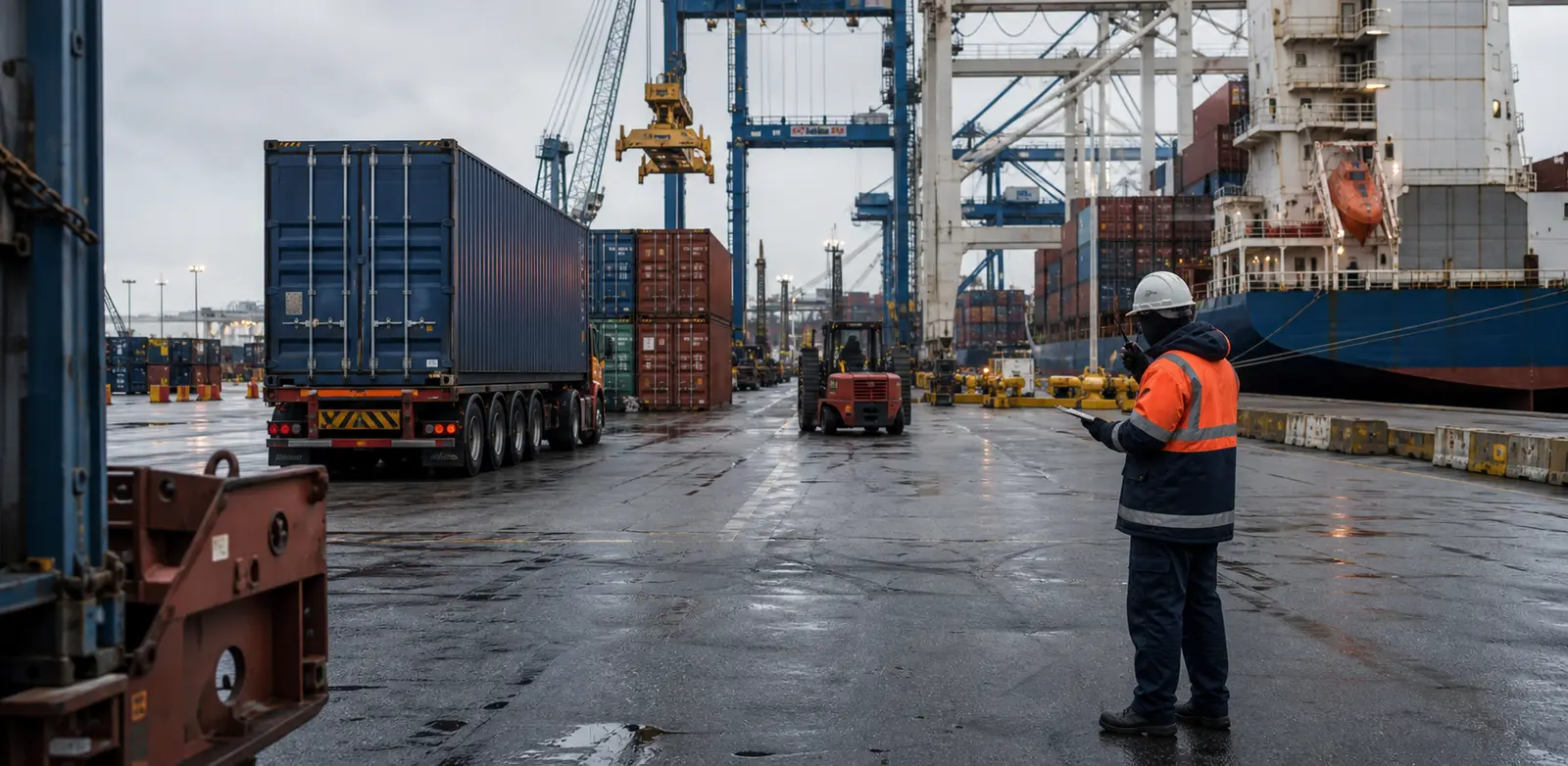
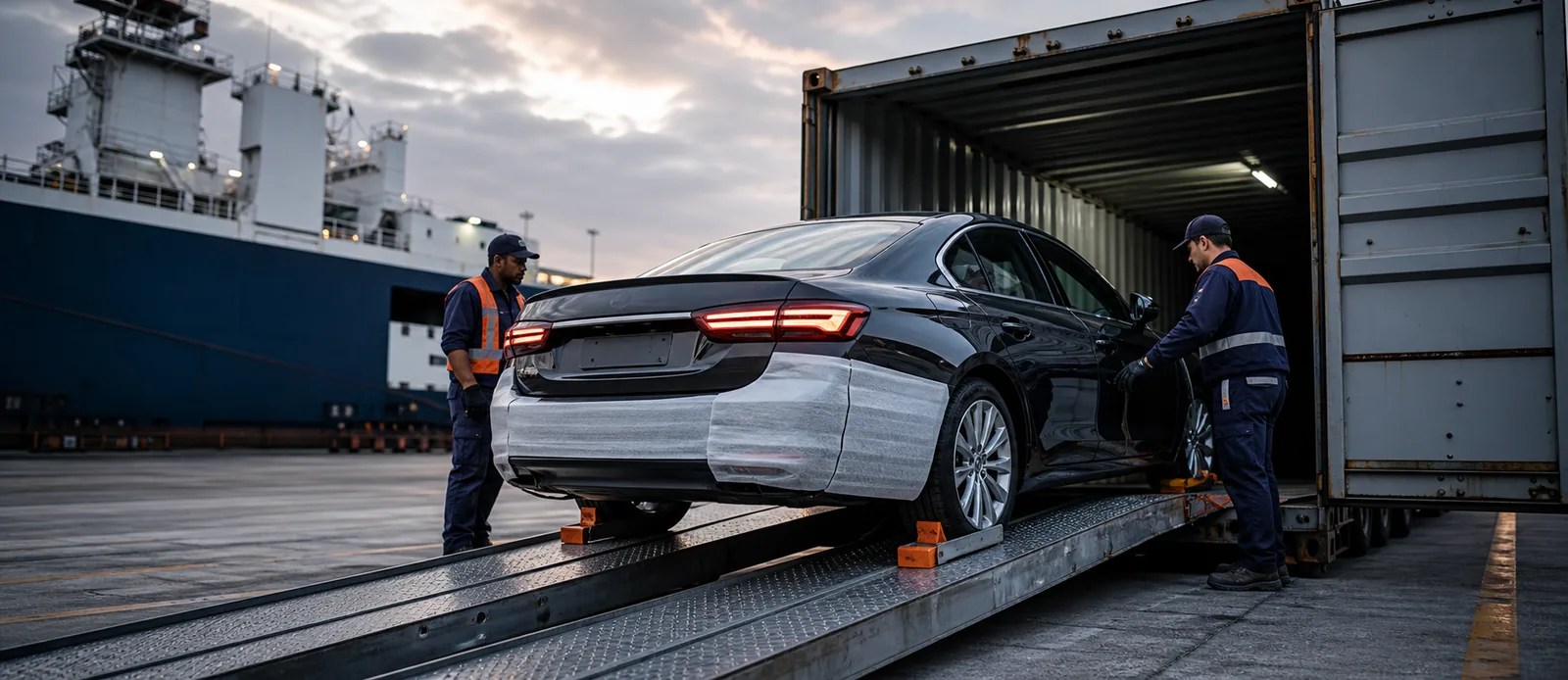
بالنسبة لمعظم مستوردي قطع غيار السيارات، يُعد الشحن البحري الوضع الأساسي لإعادة تزويد المخزون المنتظمة. يمكن لحاوية 20 قدمًا استيعاب نحو 8,000-12,000 كجم من قطع الغيار حسب الكثافة. وينبغي للشركات التي تشحن أقل من 10 CBM لكل طلب التفكير في تجميع LCL (الحمولة الأقل من حاوية كاملة) لتجنب الدفع مقابل مساحة حاوية غير مستخدمة.
الشحن الجوي ضروري في حالات الطوارئ — لا سيما سيناريوهات توقف خط الإنتاج حين توقف قطعة مفقودة خط إنتاج بأكمله. بسعر 4-8 دولارات للكجم، يكلف الشحن الجوي 15-30 ضعف البحري لكل وحدة وزن، لكن مدة العبور البالغة 2-4 أيام مقارنة بـ 25-40 يومًا يمكن أن تمنع خسائر إنتاج تفوق بكثير علاوة الشحن.
| Factor | الشحن البحري (FCL/LCL) | الشحن الجوي |
|---|---|---|
| Best for | الطلبات بالجملة وإعادة تزويد المخزون المخطط لها | الطلبات العاجلة وحالات توقف خط الإنتاج والنماذج الأولية |
| مدة العبور | 25-40 يومًا (حسب المنشأ) | 2-4 أيام من الباب إلى الباب |
| التكلفة لكل حاوية 20 قدمًا | 1,800-5,000 دولار (تختلف حسب المنشأ) | غير متاح (التسعير لكل كجم) |
| التكلفة لكل كجم | 0.10-0.30 دولار/كجم (للحاويات الكاملة) | 4-8 دولارات/كجم (أسعار البضائع العامة) |
| الحد الأدنى للشحنة | 1 CBM (LCL) أو حاوية واحدة (FCL) | لا حد أدنى عمليًا |
| ميناء الدخول | سانتوس (SP)، باراناغوا (PR)، إيتاجاي (SC) | غوارولوس (GRU)، فيراكوبوس (VCP)، ماناوس (MAO) |
| التخليص الجمركي | 5-15 يوم عمل في المتوسط | 3-7 أيام عمل في المتوسط |
| حالة الاستخدام المعتادة | المخزون المنتظم وقطع ما بعد البيع وتوريد OEM | توقف خط الإنتاج والقطع الأولية والعينات |
تفصيل التكاليف حسب بلد المنشأ
ميزة الأرجنتين صارخة: إلغاء رسوم الاستيراد البالغة 14-18% والاستفادة من تكاليف شحن أقل (القرب الجغرافي) يمكن أن يخفض إجمالي تكلفة الوصول بنسبة 20-30% مقارنة بتوريد القطعة نفسها من الصين أو ألمانيا. وهذا يفسر احتفاظ كثير من شركات OEM متعددة الجنسيات بعمليات تجميع أو تشطيب في الأرجنتين خصيصًا لخدمة السوق البرازيلية بموجب قواعد ميركوسور.
بالنسبة للقطع صينية المنشأ، تُقابَل أدنى أسعار شحن بحري في السوق جزئيًا بمعدل رسوم TEC الكامل ومدد عبور أطول. ومع ذلك، بالنسبة لقطع ما بعد البيع والقطع السلعية ذات القيمة المنخفضة للوحدة، فإن الأسعار التنافسية للمصنّعين الصينيين لا تزال تحقق أدنى تكلفة وصول لكل وحدة في معظم الفئات.
| بلد المنشأ | الشحن البحري (20 قدمًا) | الشحن الجوي (لكل كجم) | رسوم الاستيراد (II) | تقدير إجمالي تكلفة الوصول |
|---|---|---|---|---|
| Germany | 2,500-4,000 دولار | 5.50-7.50 دولار/كجم | 14-18% | CIF + ضرائب 70-80% |
| Japan | 3,000-5,000 دولار | 5.00-7.00 دولارات/كجم | 14-18% | CIF + ضرائب 70-80% |
| China | 1,800-3,500 دولار | 4.00-6.00 دولارات/كجم | 14-18% | CIF + ضرائب 70-80% |
| الولايات المتحدة | $2,200-$3,800 | 4.50-6.50 دولار/كجم | 14-18% | CIF + ضرائب 70-80% |
| الأرجنتين (ميركوسور) | 800-1,500 دولار (شاحنة/شحن بحري قصير) | 3.00-5.00 دولارات/كجم | 0% (مع شهادة المنشأ) | CIF + ضرائب 40-55% (بدون II) |
| المكسيك (ACE 55) | $2,000-$3,500 | 4.50-6.50 دولار/كجم | 0-8% (تفضيلية) | CIF + ضرائب 50-70% |
كيف تخفض تكاليف استيراد قطع غيار السيارات
- حسّن تصنيف HS للحصول على أدنى معدل مطبق: اعمل مع مخلّص جمركي متخصص لضمان تصنيف كل قطعة تحت البند الفرعي الأكثر ملاءمة في HS. الفرق بين HS 8708.80 (التعليق، 14%) و8708.99 (قطع أخرى، 16%) هو نقطتان مئويتان — وعلى شحنة بقيمة 100,000 دولار، يوفر ذلك 2,000 دولار في رسوم الاستيراد وحدها، ويتضاعف الأثر عبر حسابات IPI وICMS.
- استفد من ميركوسور والاتفاقيات التجارية الثنائية: ورّد من الأرجنتين (رسوم صفرية بموجب ميركوسور) أو المكسيك (رسوم مخفضة بموجب ACE 55) كلما أمكن. وتأكد من أن مورّدك يقدم شهادة منشأ سارية تستوفي قواعد المنشأ في الاتفاقية — عادة 60% محتوى إقليمي لميركوسور. وحتى التحولات الجزئية في التوريد يمكن أن تحقق وفورات كبيرة.
- استخدم المستودعات الجمركية (Entreposto Aduaneiro): استورد القطع إلى مستودع جمركي حيث يمكن تخزينها حتى سنة دون دفع رسوم أو ضرائب. لا تُدفع الرسوم إلا عند سحب البضائع للاستهلاك. وهذا يحسّن التدفق النقدي ويتيح لك توقيت السحوبات مع احتياجات الإنتاج، مما يقلل تكاليف الاحتفاظ بالمخزون.
- جمّع الشحنات لتقليل تكاليف الشحن لكل وحدة: بدلًا من شحن طلبات صغيرة بشكل متكرر، جمّعها في شحنات أكبر. تكلف حاوية 20 قدمًا كاملة 1,800-5,000 دولار بغض النظر عن نسبة الامتلاء — والشحن بنسبة استغلال تتجاوز 90% يقلل تكاليف الشحن لكل وحدة بشكل كبير. نسّق مع وكيل الشحن لتجميع الطلبات من المنشأ نفسه.
- تقدّم بطلب خفض الرسوم Ex-Tarifário: لقطع غيار السيارات المتخصصة التي لا يوجد لها إنتاج محلي مكافئ في البرازيل، تقدّم إلى MDIC (وزارة التنمية) للحصول على صفة Ex-Tarifário، التي تخفض رسوم الاستيراد مؤقتًا إلى 2%. تستغرق عملية الطلب 4-6 أشهر لكنها قد توفر 12-16% من الرسوم للقطع المؤهلة. وهذا فعال بشكل خاص للمكونات عالية التقنية مثل وحدات الاستشعار المتقدمة أو قطع المركبات الكهربائية.
- طبّق التسليم في الوقت المحدد (JIT) لتقليل تكاليف المخزون: اعمل مع وكيل الشحن لوضع جدول تسليم في الوقت المحدد يقلل مخزون المستودع. والجمع بين الشحن البحري للمخزون المنتظم والشحن الجوي للتعزيزات العاجلة يمكن أن يخفض إجمالي التكاليف اللوجستية بنسبة 10-20% مقارنة بالاحتفاظ بمستويات مخزون أمان كبيرة.