

Agriculture & Commodities Logistics
Quality Control, Compliance
You ship grain, coffee, and fresh produce. Suaid Global handles fumigation, phytosanitary compliance, and bulk cargo — all in one place.
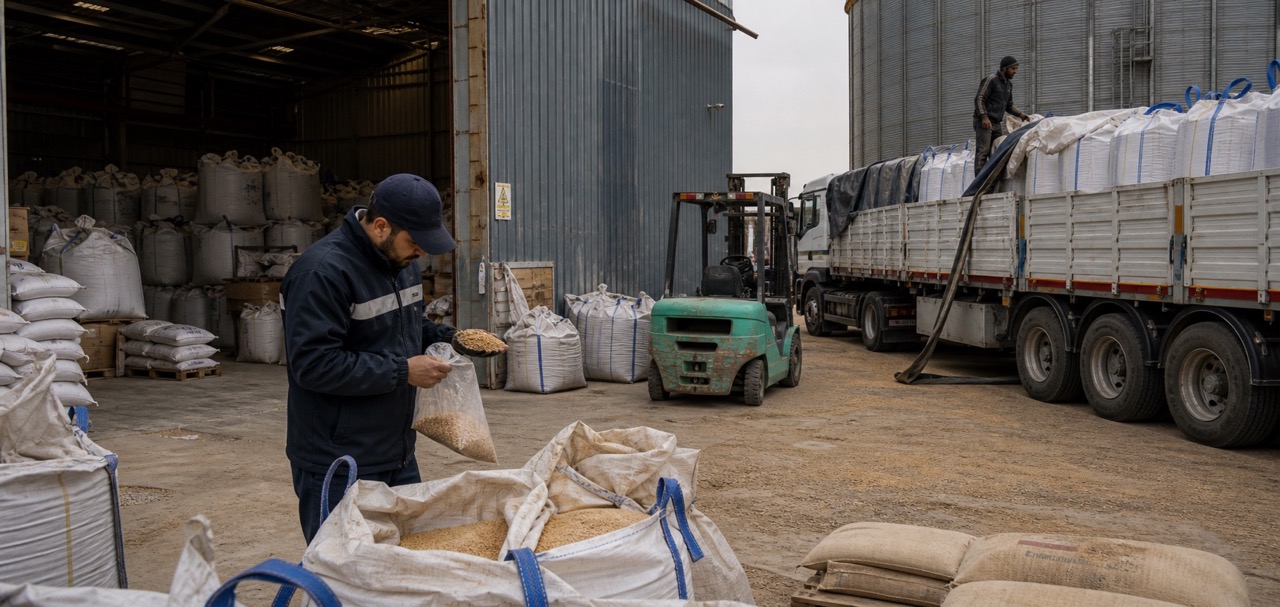
Agricultural logistics preserve product quality
Your farm goods need care at every step. You need quality checks and the right packing. You need full compliance across the supply chain. Phytosanitary papers, quality checks, and pest control plans matter most. We plan each step to protect the condition of your farm goods in transit.
What Suaid coordinates for this sector.
Operational details vary by commodity, market and deadline. These are the control points we keep in one freight thread.
Phytosanitary Compliance
We coordinate USDA-APHIS import permits through licensed partners. Phytosanitary papers are arranged at origin. Fumigation records are kept on file. Every load is prepped for CBP agriculture checks, and the paperwork is reviewed at each step.
Temperature-Controlled Bulk Handling
We use reefer boxes for fresh fruit, seeds, and other heat-sensitive goods. Coffee, cocoa, and grains ride in vented boxes. This airflow stops damp buildup and mold.
Organic & Fair Trade Documentation
We manage USDA Organic import forms (NOP). We also handle Fair Trade records and Rainforest Alliance rules. Each load keeps its chain of custody. It runs from the certified farm to the US importer.
Bulk, Bagged & Break-Bulk Handling
Coffee ships in GrainPro bags. Soy moves in bulk. Grain rides in boxes or bulk ships. We handle the packing, damp control, and stow rules for each farm item.
Key Agricultural Import Corridors
Use these as starting points. If your lane is not listed, Suaid can still route it through the global partner network.
Brazil → US
This lane moves coffee, soybeans, sugar, orange juice mix, frozen chicken, and beef. Ships leave from Santos, Paranagua, and Vitoria. They land in Miami, New York, and New Orleans. USDA organic status, FDA sign-up, and phytosanitary papers are all required.
Colombia → US
This lane moves coffee, fresh-cut flowers, bananas, avocados, and sugar. Ships leave from Cartagena and Buenaventura. They land in Miami and Philadelphia. Cut flowers need USDA-APHIS permits. Fresh goods need cold chain care.
Chile & Peru → US
This lane moves table grapes, blueberries, avocados, salmon, fishmeal, and wine. Ships leave from Valparaiso and Callao. They land in Los Angeles and Philadelphia. Phytosanitary rules and cold chain care are a must. Demand runs high each year from October to April.
India → US
This lane moves spices, tea, basmati rice, organic goods, and cashews. Ships leave from Mumbai and Mundra. They land in New York and Los Angeles. This lane needs FDA food facility registration and FSVP rules. It also needs aflatoxin and pesticide residue checks.
Matching the crop to the container
Agricultural cargo spoils in the wrong box. The commodity decides the equipment.
| Commodity | Usual equipment | Why |
|---|---|---|
| Grain and pulses | Bulk vessel or bagged in dry containers | Volume decides; bagging suits smaller lots |
| Coffee and cocoa | Dry container with liner and desiccant | Condensation is the main enemy on long lanes |
| Fresh fruit and vegetables | Reefer with controlled atmosphere | Ripening continues in transit and must be slowed |
| Edible oils | Flexitank inside a dry container | Cheaper than drums for full loads |
| Cut flowers | Air freight, chilled | Very short shelf life |
| Animal feed | Bulk or bagged | Moisture and contamination controls apply |
Plant health rules that stop shipments
Agricultural cargo faces border checks that other goods never see. Prepare for these.
- Phytosanitary certificate — Issued by the exporting country's plant authority. It must match the shipment exactly.
- Fumigation record — Many markets demand treatment against pests, with proof of method and dose.
- Maximum residue limits — Pesticide residues above the importing country's limit mean rejection, not a fine.
- Container cleanliness — Inspectors reject boxes carrying seed, soil, or insects from a previous load.
- Cold treatment — Some fruit must be held at a set temperature for a set number of days in transit.
- Traceability records — Buyers and regulators increasingly ask which farm and which lot the goods came from.
Why timing matters more than rate
| Factor | Effect on shipping |
|---|---|
| Harvest peak | Container demand spikes at origin and rates rise |
| Rainy season | Inland roads slow and quality drops before loading |
| Equipment shortage | Reefers move to whichever region is in season |
| Import quota windows | Some markets open volume windows on fixed dates |
| Festival demand | Buyers pay for speed near major holidays |
| Shelf-life clock | Every day at origin is a day lost at destination |
Protecting cargo quality on long ocean legs
Most agricultural claims come from moisture and heat, not from rough handling. These controls do the work.
- Use a container liner — A liner keeps the cargo off the steel walls, where condensation forms first.
- Add desiccant to match the route — The quantity depends on the moisture in the cargo and the length of the voyage.
- Load dry, not just clean — Cargo loaded above its safe moisture level will sweat regardless of the packaging.
- Check the container before loading — Light showing through a seam means water will get in at sea.
- Set ventilation deliberately — Open vents help some cargo and ruin others. Confirm the setting for the commodity.
- Record the loading condition — Photographs and moisture readings at loading are what settle a claim later.
Key Challenges in Agricultural Logistics
The work is not only moving cargo. It is removing the failure points that create holds, penalties and missed receiving windows.
Phytosanitary Rejection at US Border
A failed USDA-APHIS check can stop your cargo at the border. It may be fumigated at your cost, or destroyed. One bad phytosanitary paper can trigger weeks of detention. It can also mean a full cargo loss.
Seasonal Harvest & Capacity Pressure
Coffee, soy, and grain crops ship in 60–90 day windows. Every seller wants the same boxes and ship slots at once. Booking 6–12 months out is the norm.
Quality Degradation in Transit
Damp, pests, and heat swings can ruin cargo value on a 30+ day sea trip. Good container prep helps. Steady checks help too. Both are a must.
Commodity Price & Value Volatility
Coffee prices can double in a year. Cargo insured at ship-date value may fall short of what it's worth on arrival. Flexible, market-value cargo cover matters a lot. So does hedge awareness for farm importers.
Services for Agricultural Shippers
Every service connects back to one accountable operating thread.
Ocean Freight
Reefer, ventilated, and standard FCL/LCL for agricultural commodities on all major export corridors.
Customs Clearance
USDA-APHIS coordination, phytosanitary documentation, CBP agriculture inspection, and FDA Prior Notice for food imports.
Value Protect
Commodity-specific cargo insurance with flexible valuation for volatile agricultural markets.
Related Industries
Food & Beverage
Agricultural raw materials — coffee, fruit, grain — feed directly into the food and beverage supply chain with shared cold chain and FDA compliance requirements.
Chemicals
Fertilizers, pesticides, and agrochemicals that support agricultural production require DG compliance and EPA import oversight.
FMCG & Consumer Goods
Processed and packaged agricultural products share retailer distribution, OTIF compliance, and multi-channel logistics requirements with FMCG brands.
Common questions about Agriculture & Commodities.
Short answers for shippers comparing routes, documents, cost and service fit.
Send the lane. We'll shape the plan.
Tell us the commodity, origin, destination and timing. A coordinator who works Agriculture & Commodities freight reviews your request.
Move your agricultural shipments with Suaid Global
From farm to US shelf, we coordinate each phytosanitary, cold chain, and compliance step with licensed partners. Papers filed ahead give your cargo the best chance to clear customs on the first try.
Request a quote
Share the route, cargo and timing so the quote can state its scope and exclusions.
Start a quoteTalk now on WhatsApp
Use WhatsApp for route questions, quote follow-up or shipment details.
Open WhatsAppEmail the team
Include your shipment details and preferred contact information.
contact@suaidglobal.com