

Freight, explained by the people who move it.
Guides, comparisons and cost breakdowns from the Suaid Global editorial team. No filler, no content farm.
How Much Does It Cost to Ship from Bangladesh to the USA? What Sets the Price
Shipping from Bangladesh to the USA costs about US$2,200–3,800 for a 20ft container and US$3,300–6,000 for a 40ft, including the feeder to a hub port. LCL runs about US$90–170 per CBM, and air freight about US$3.50–5.50 per kg. At arrival, Clearit lists USD 149.95 per ocean entry, USD 129.95 per air entry and USD 25 handling.
How Much Does It Cost to Ship from Brazil to the USA? What Sets the Price
Shipping from Brazil to the USA costs about US$1,400–2,200 for a 20ft container and US$2,800–4,200 for a 40ft from Santos to Miami. LCL runs about US$55–85 per CBM, and air freight about US$2.50–4.50 per kg. At arrival, Clearit lists ocean customs brokerage at USD 149.95 per entry, plus USD 25 handling. Below you’ll find each cost line and how duties work.
How Much Does It Cost to Ship from China to Brazil? What Sets the Price
Shipping from China to Brazil costs about US$1,800–3,000 for a 20ft container and US$3,000–5,500 for a 40ft. LCL runs about US$70–150 per CBM, and air freight about US$5.00–7.50 per kg. In Brazil, add the AFRMM of 8% on ocean freight and the import taxes, which follow the NCM code and the state.
How Much Does It Cost to Ship from China to Egypt? What Sets the Price
Shipping from China to Egypt costs about US$2,000–2,800 for a 20ft container and US$3,800–4,800 for a 40ft to Port Said or Alexandria. LCL runs about US$70–150 per CBM, and air freight about US$4.50–6.00 per kg. Your total adds the charges at the Egyptian port, customs duty and 14% VAT.
How Much Does It Cost to Ship from China to Germany? Dated Prices by Mode
Shipping from China to Germany costs about US$2,000–2,600 for a 20ft container and US$3,500–4,500 for a 40ft to Hamburg or Bremerhaven. LCL runs about USD 70–150/CBM, and air freight around USD 4.88/kg. Drewry’s index puts Shanghai–Rotterdam at US$3,997 per 40ft.
How Much Does It Cost to Ship from China to Mexico? What Sets the Price
Shipping from China to Mexico costs about US$4,200–5,400 for a 20ft container and US$6,600–8,100 for a 40ft to Manzanillo. LCL runs about US$50–150 per CBM, and air freight about US$5.00–7.00 per kg. At import, Mexico adds the DTA of 8 per thousand of the customs value in the general case and 16% IVA; the import duty (IGI) depends on the tariff fraction.
How Much Does It Cost to Ship from China to the USA? Dated Prices by Mode
Shipping from China to the USA costs about US$4,400–5,200 for a 20ft container and US$7,352 for a 40ft to Los Angeles, or US$5,800–6,800 and US$9,726 to New York. LCL runs about USD 45–160 per CBM to the West Coast and USD 65–180 to the East Coast, and air freight about USD 6.30 per kg. Add the US costs at arrival before you compare quotes.
How Much Does It Cost to Ship from India to the USA? What Sets the Price
Shipping from India to the USA costs about US$2,000–3,500 for a 20ft container and US$3,000–5,500 for a 40ft. LCL runs about US$85–160 per CBM, and air freight about US$3.00–5.00 per kg. At arrival, Clearit lists USD 149.95 per ocean entry, USD 129.95 per air entry and USD 25 handling.
How Much Does It Cost to Ship from South Korea to the USA? What Sets the Price
Shipping from South Korea to the USA costs about US$3,900–5,000 for a 20ft container and US$6,200–7,400 for a 40ft to the West Coast. LCL runs about US$55–150 per CBM, and air freight about US$3.00–5.00 per kg. Below you’ll find the price by mode, the US fees at arrival, tariffs and what to send for a quote.
How Much Does It Cost to Ship from the USA to Brazil? What Sets the Price
Shipping from the USA to Brazil costs about US$1,500–2,500 for a 20ft container and US$2,800–4,500 for a 40ft. LCL runs about US$60–110 per CBM, and air freight about US$2.50–4.50 per kg. In Brazil, add the AFRMM of 8% on ocean freight (Law 10,893/2004) and the import taxes II, IPI, PIS/COFINS and ICMS, which follow the NCM code and the state.
Sending your personal belongings overseas by shared container
You do not need a moving company to send your own things across an ocean. Most household goods travel as sea freight inside a shared container, priced by the space they take. This guide shows how that works and what each customs office asks for when the goods are yours. It also covers what really drives the cost, and where we are not the right partner.

Duty Drawback: Recover Up to 99% of US Import Duties
Duty drawback refunds up to 99% of the duties, taxes, and fees you paid on imports that later leave the US. This guide covers who qualifies, the three drawback types, the 5-year deadline, and how licensed customs broker partners file claims.
Demurrage and Detention: Stop Paying for Idle Containers
Demurrage and detention charges punish every day your container sits idle. Rates typically run $150 to $450 or more per container, per day, and they escalate fast. This guide explains what each charge means, where it accrues, and eight practical ways to keep your invoice at zero.
Amazon FBA Shipping Cost Breakdown: Every Line Item Explained (2026)
FBA sellers lose margin not on the big, obvious costs — but on the fees they never saw coming. This breakdown covers all 9 cost groups in FBA inbound shipping. It includes sample math for a 20ft FCL shipment, and a 5 CBM LCL shipment, both from China to a US fulfillment center.

International Shipping Costs 2026: Complete Rate Guide
International shipping in 2026 costs about $30–$180 per CBM by ocean LCL, $1,200–$7,500 per container by FCL and $2.50–$6.00 per kg by standard air freight. This guide breaks down real 2026 prices by mode and lane, so you can budget, compare options and get better rates.

Freight Forwarding Cost Complete Breakdown for 2026
Freight forwarding fees can be confusing. This guide breaks down every cost — from origin to destination — so you know exactly what you're paying for and how to save.

5 Proven Strategies to Reduce Costs in 2026
Logistics costs rising and your margins shrinking? Five practical strategies freight forwarders are using to recover profitability.
Customs Broker Fees 2026: Complete Cost Breakdown
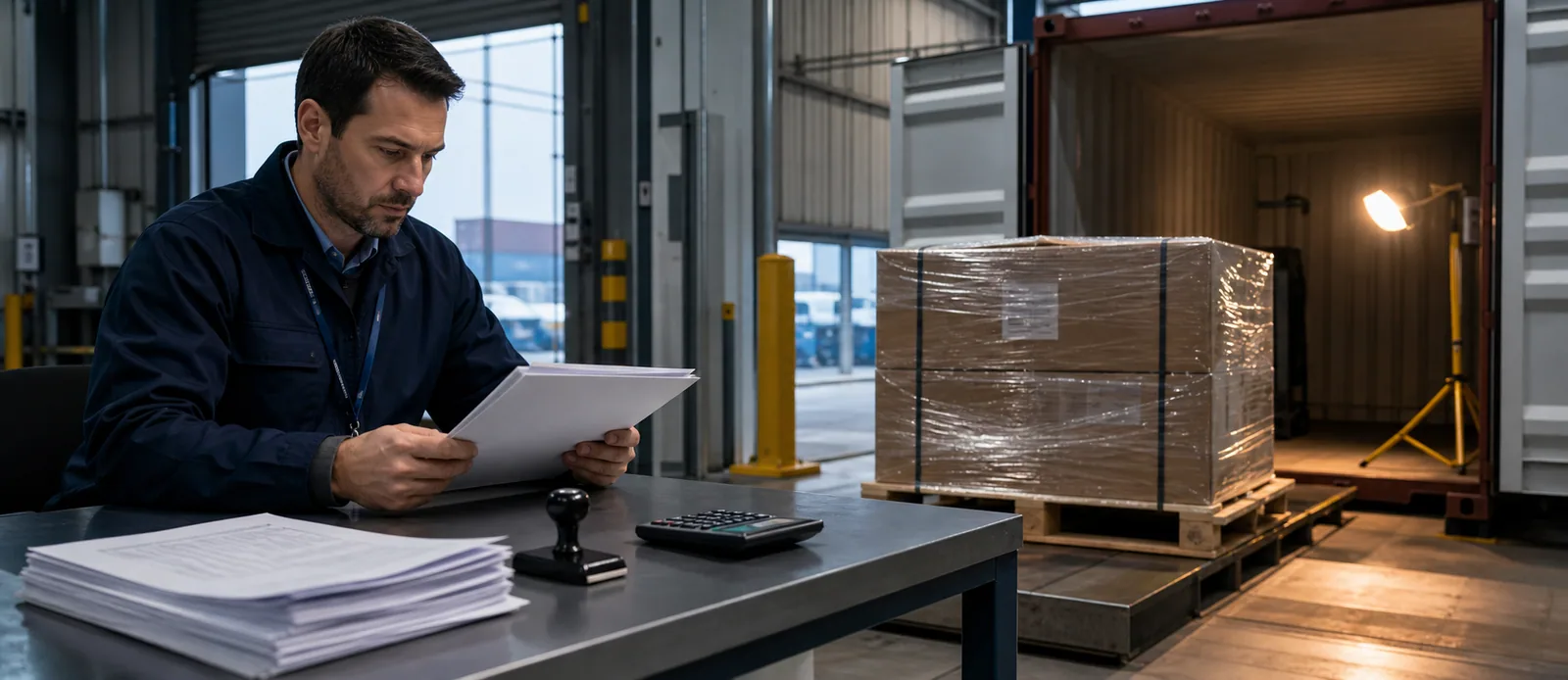
Customs broker fees run $150–$400+ per formal entry in 2026. Government fees come on top: the Merchandise Processing Fee (0.3464% of value), a Harbor Maintenance Fee on ocean imports, plus bonds and duties. This guide breaks down every line so you can budget right and compare itemized quotes.
Ocean Freight Rates 2026: Complete Pricing Guide
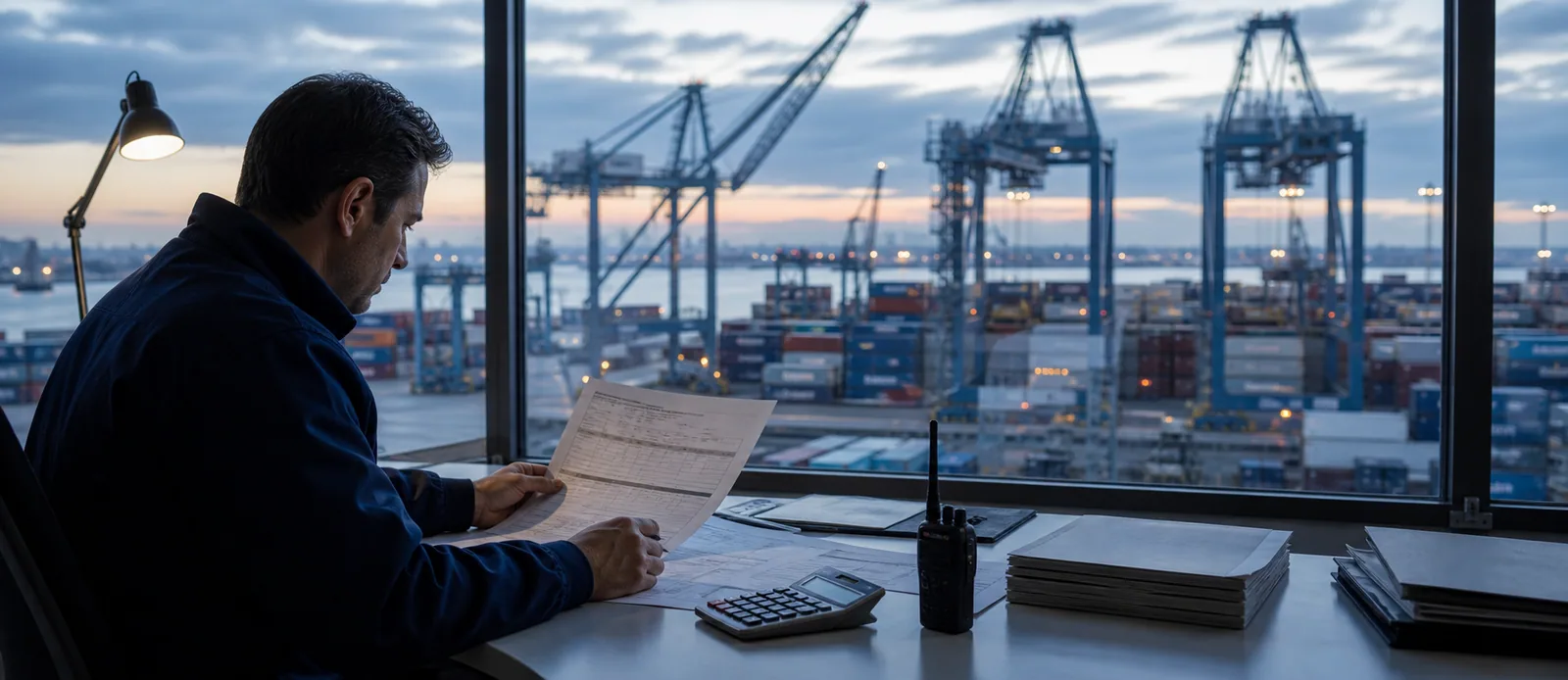
A 40ft container from Shanghai costs about US$3,997 to Rotterdam and US$4,216 to Genoa (Drewry WCI, September 10, 2026). LCL from China to the US West Coast runs about US$45–160/CBM (early 2026). Compare the FCL and LCL tables, then add the local costs outside each rate.
Air Freight Cost per Kg 2026 Rates by Route
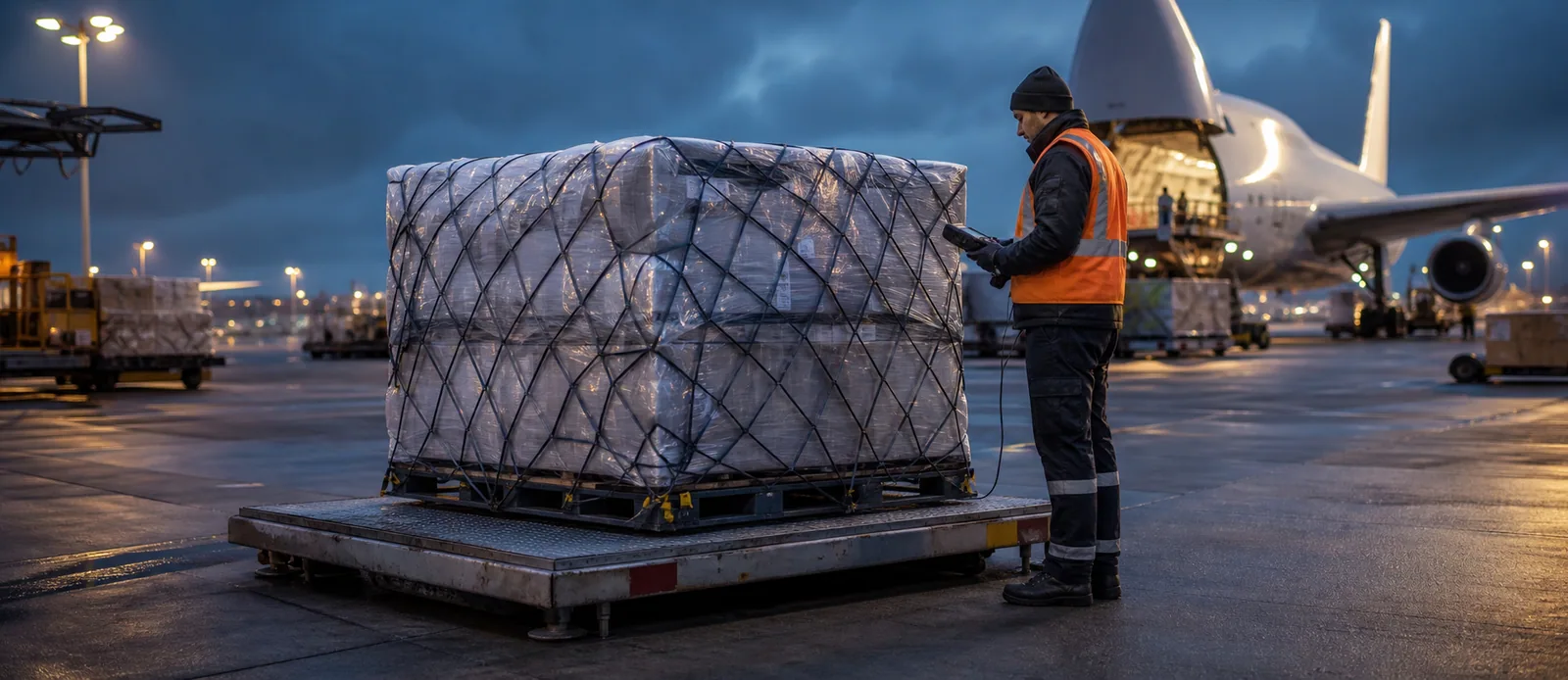
Air freight costs about USD 6.30/kg from the Far East to the USA and USD 4.88/kg to Europe, per Freightos. You pay on chargeable weight, so the airports, cargo and service level change the total. Below are the rates by route, how weight is charged and what a complete quote includes.
Amazon FBA Freight Forwarder Guide: Ship Inventory to FC Without Losing Your Margin
Every dollar you lose to delays, wrong Incoterms, or missed customs holds comes right out of your FBA margin. This guide walks you through the full workflow — from the factory floor to the Amazon dock. Use it to pick the right forwarder, and protect your landed cost.
FCL Container Rates 2026: 20ft & 40ft Costs by Route
A 40ft container from Shanghai costs about US$7,352 to Los Angeles and US$9,726 to New York (Drewry WCI, September 10, 2026). Below are prices by container size and route, plus the charges outside the ocean rate.
How to Import from China to USA in 2026
China stays the top source of U.S. imports, even with the current tariff climate. The new 12.5% forced-labor duty, the end of de minimis exemptions, and shifting supply chain moves mean importing from China in 2026 takes real planning. This guide covers every step, from finding suppliers to clearing customs, with fresh costs and rules. This duty applies only to covered HTS provisions; product exemptions must be checked.
The Customs Clearance Process Explained Step by Step
Every international shipment must pass through customs. Learn each stage of clearance, from the first paper to the final release, and you turn weeks of costly delay into a smooth, fast delivery.
Get the strategic issues first.
Data reports, corridor analyses and pricing outlooks for operators — qualified subscribers get the deep dives a week before they're published here.
By subscribing you agree to receive The Route Brief by e-mail. Unsubscribe anytime — one click, no questions.
Anything you need, we're here to help.
Discuss your shipment with Suaid Global. Choose a contact channel below.
Request a quote
Share the route, cargo and timing so the quote can state its scope and exclusions.
Start a quoteTalk now on WhatsApp
Use WhatsApp for route questions, quote follow-up or shipment details.
Open WhatsAppEmail the team
Include your shipment details and preferred contact information.
contact@suaidglobal.com