
Definition insights
definition resources on global freight, customs, and supply chain logistics.

DDP Incoterms: Delivered Duty Paid Explained
DDP (Delivered Duty Paid) puts freight, import clearance, duties and taxes on the seller through delivery at the named place. The buyer handles unloading.
CIF Incoterms: Cost, Insurance & Freight Explained
CIF (Cost, Insurance and Freight) is an Incoterm rule where the seller pays for ocean freight and cargo insurance, all the way to the destination port. But risk still passes to the buyer once goods get loaded on board the vessel at the origin port — not when they arrive. CIF is one of the most-used Incoterms for sea freight, especially in commodity trade. This guide covers who does what, real cost examples, CIF vs FOB, and when CIF is the right pick for your shipments.
CPT Incoterms: Carriage Paid To Explained
CPT (Carriage Paid To) is an Incoterm where the seller pays freight costs to a named destination, but risk transfers to the buyer the moment goods are handed to the first carrier at origin. This split between cost and risk is what makes CPT unique — and what causes the most confusion. This guide covers every obligation, real cost examples, and when CPT is better than CIF, CIP, or DAP.
DAP Incoterms: Delivered at Place Explained
DAP (Delivered at Place) is an Incoterm. Under this rule, the seller delivers goods to a named place. The goods must be ready to unload. The seller pays every cost and carries all risk up to that point. The buyer takes over from there and handles import customs, duties, taxes, and unloading. DAP is a popular choice for B2B imports. It gives buyers a price that is close to a full door price, while buyers still stay in control of their own customs work.
EXW Incoterms: Ex Works Explained
EXW (Ex Works) puts pickup, export clearance, freight, import clearance and duties on the buyer. The seller only makes the goods available at the named place; for international shipments, FCA often avoids the export-clearance problem.
FAS Incoterms: Free Alongside Ship Explained
FAS (Free Alongside Ship) is an Incoterm rule where the seller delivers goods alongside the vessel, at the named port of shipment — on the quay or barge. The buyer must handle loading onto the vessel, ocean freight, insurance, and all import tasks. FAS is a niche Incoterm, used mostly for bulk commodities and break-bulk cargo. This guide explains when FAS makes sense, how it differs from FOB, and the full breakdown of who does what.
FCA Incoterms: Free Carrier Explained
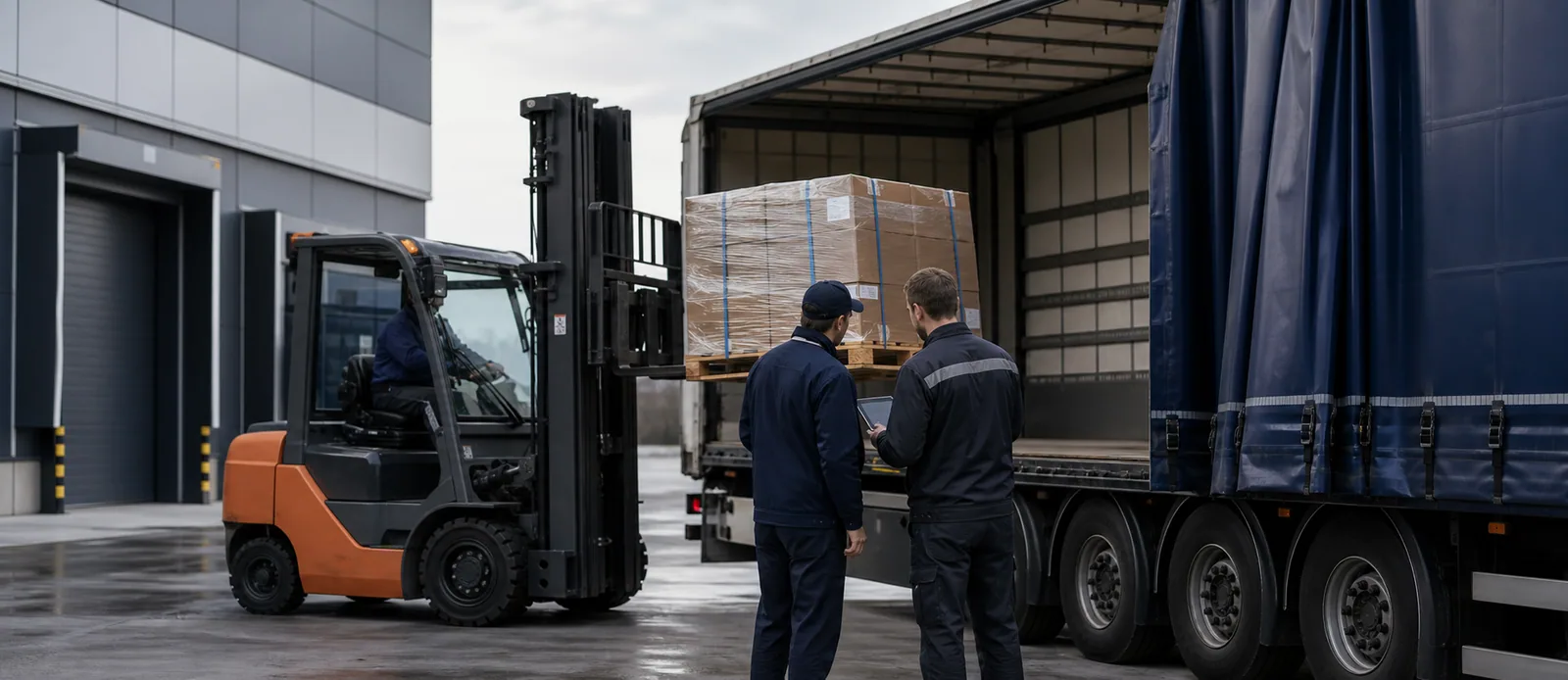
FCA (Free Carrier) means the seller clears goods for export and delivers them to the buyer's carrier at the named place. From that handoff, the buyer takes the cost and risk; FCA works for every transport mode.
FOB Incoterms: Free on Board Explained
FOB (Free on Board) is the most widely used Incoterm in global sea freight. The seller handles export clearance and delivers goods on board the vessel at the named port of shipment. Once the goods are loaded, all costs and risks transfer to the buyer. FOB gives importers full control over ocean freight, carrier selection, and insurance — which is why it dominates B2B trade from China, India, and Southeast Asia.
What Is LCL Shipping? The Complete Guide
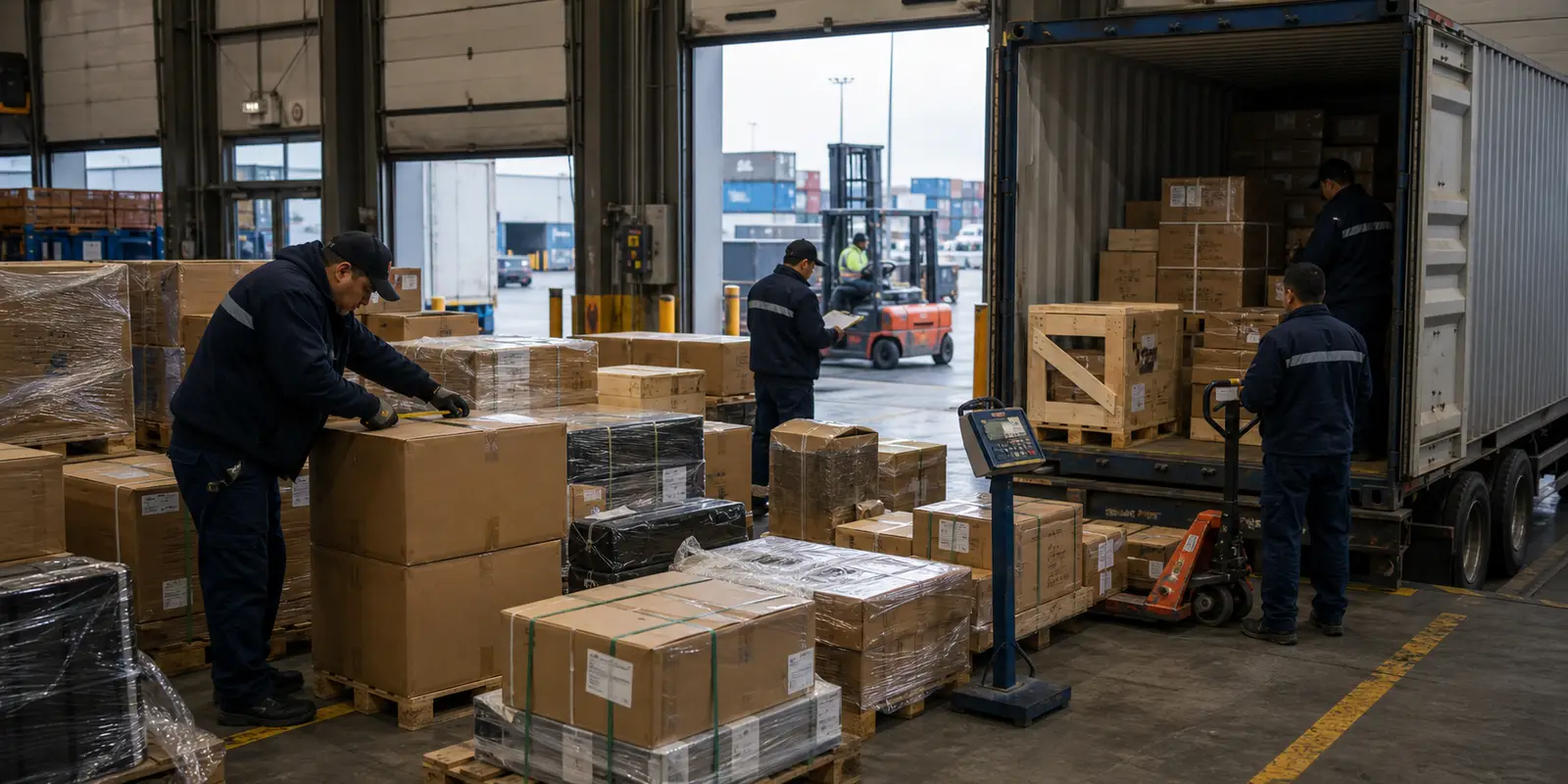
LCL (Less Than Container Load) is often the cheapest way to ship goods by ocean, when you don't have enough cargo to fill a full container. Think of it as sharing a ride, instead of booking the whole vehicle — you pay only for the space you use.
What is Freight Forwarding?
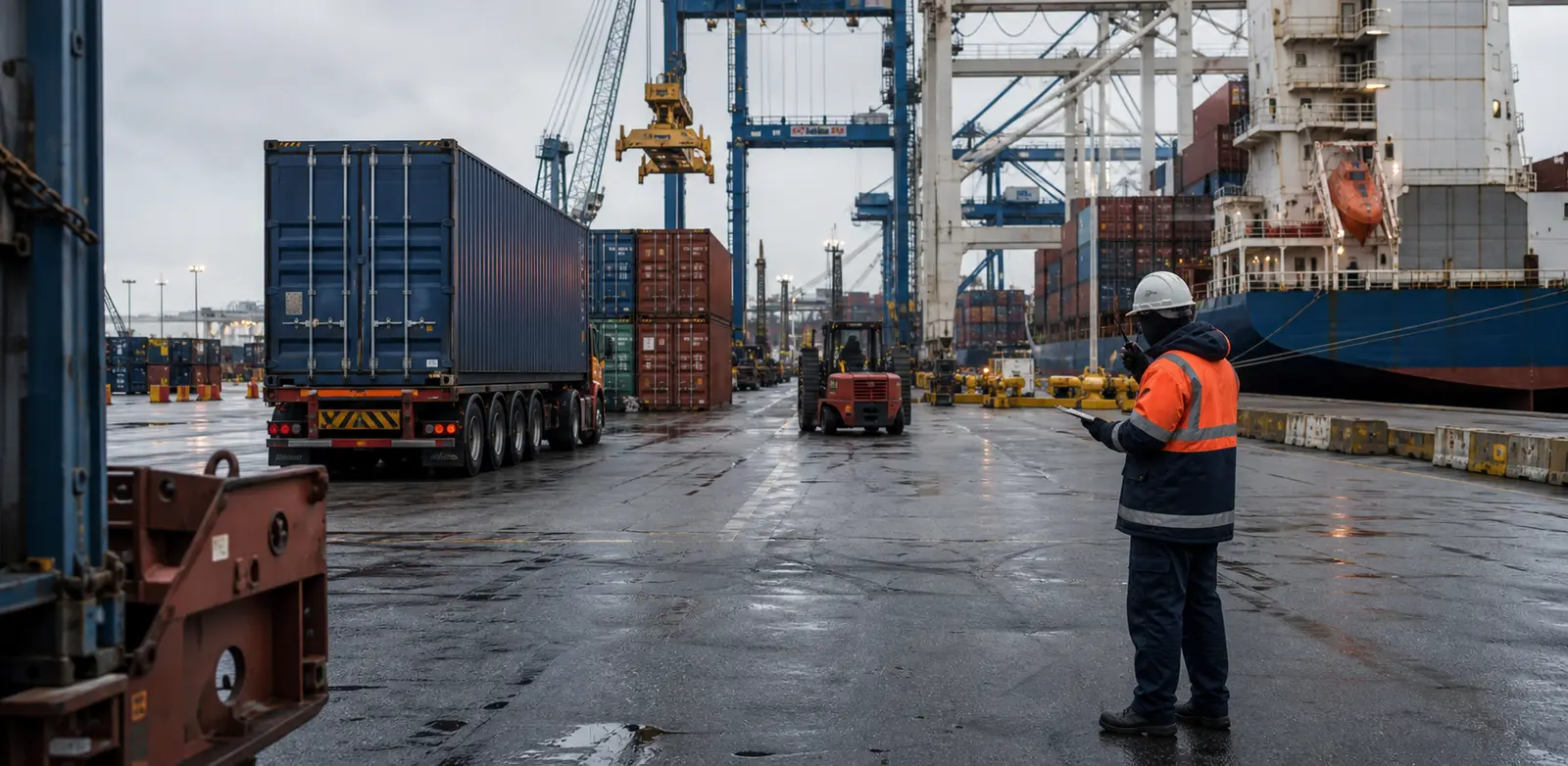
A freight forwarder is the architect of global logistics. They coordinate the movement of goods across borders, managing carriers, customs, paperwork, and delivery — so you don't have to.
Anything you need, we're here to help.
Talk to a real freight coordinator. Pick the channel that fits how fast you need an answer.
Request a quote
Share the route, cargo and timing so the quote can state its scope and exclusions.
Start a quoteTalk now on WhatsApp
Use WhatsApp for route questions, quote follow-up or shipment details.
Open WhatsAppEmail the team
Include your shipment details and preferred contact information.
contact@suaidglobal.com