

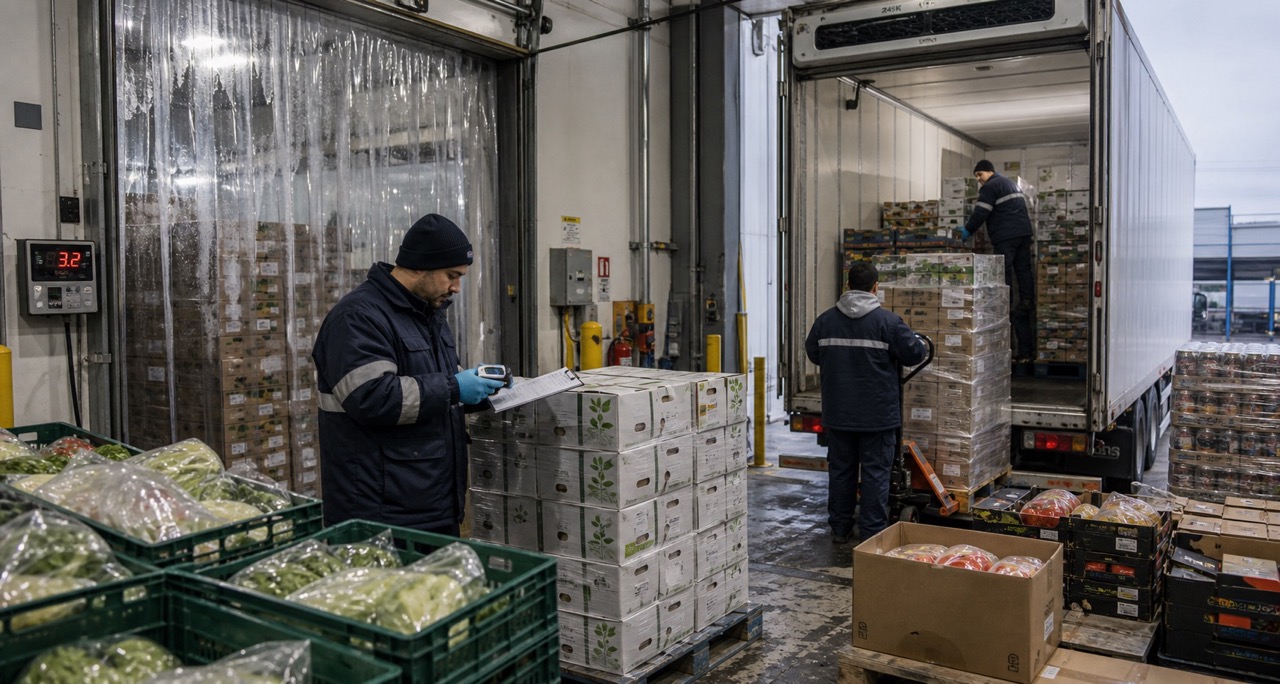
Freshness that survives the route.
Reefer setpoints, shelf-life math, FDA paperwork and harvest peaks — food freight fails in the handoffs. Suaid Global keeps the cold chain and the documents in one accountable thread, door to door.
Food freight is a race against the expiry date.
Every day in transit is a day off the shelf. A missed sailing, a customs hold or a broken reefer setpoint doesn't just delay food and beverage cargo — it destroys it. The plan has to protect shelf life at every handoff: origin handling, port dwell, clearance and the last inland mile.
Suaid Global coordinates food lanes carrier-neutral: equipment chosen for the commodity, documents reviewed before the vessel arrives, and one coordinator accountable from the packhouse to the distribution center — through a vetted global partner network.
Temperature discipline
Reefer setpoints, pre-trip inspections and data loggers specified per commodity — with the temperature record kept for the receiver and the regulator.
Shelf-life speed
Routes chosen against the expiry date: fewer transshipments, faster clearance, priority drayage.
Compliance-ready docs
FDA, FSMA, phytosanitary and origin certificates reviewed before departure, not chased after arrival.
Season-proof capacity
Harvest peaks and holiday demand planned in advance — equipment booked before the market tightens.
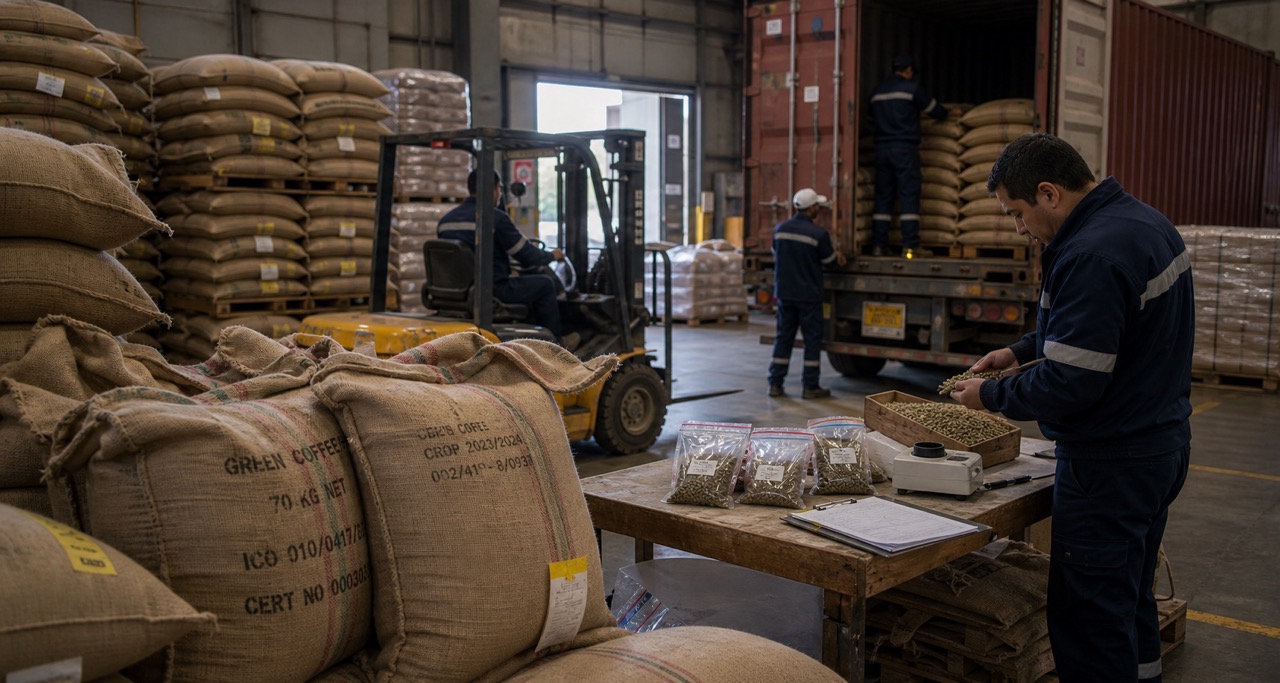
From green coffee to frozen protein.
Each sub-segment carries its own equipment, documents and timing. Commodities we run at volume have dedicated lane playbooks.
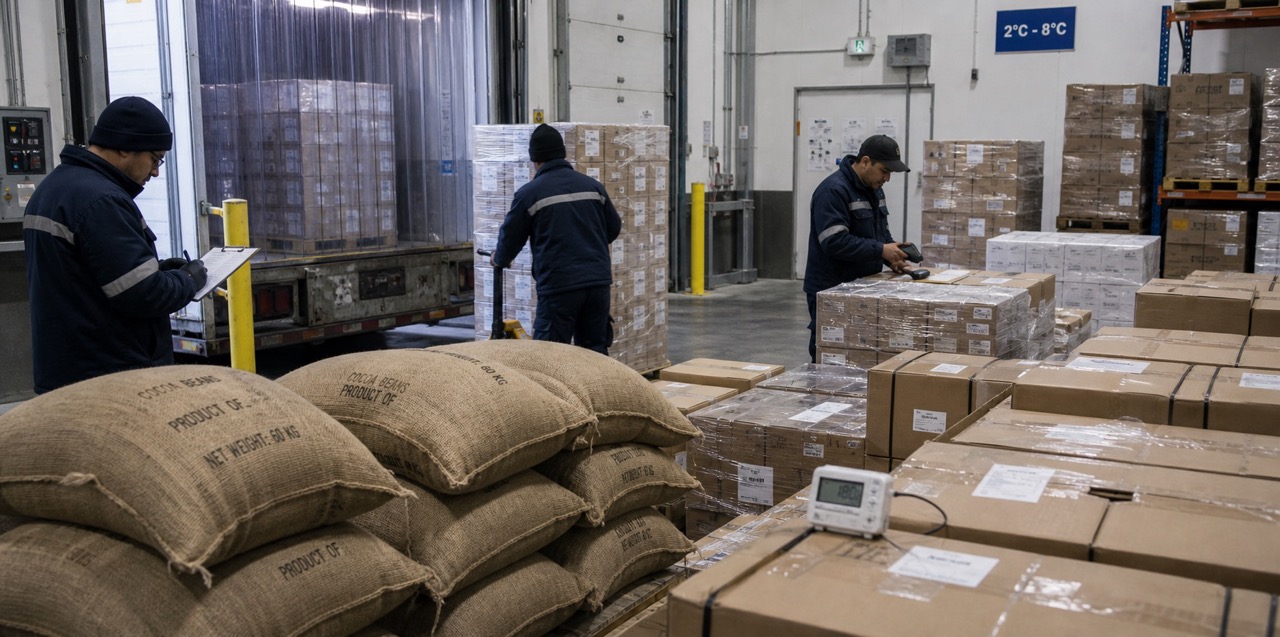
Produce, seafood and protein on reefer programs with monitored setpoints.
Wine, juice and bottled goods — weight-optimized loading and breakage control.
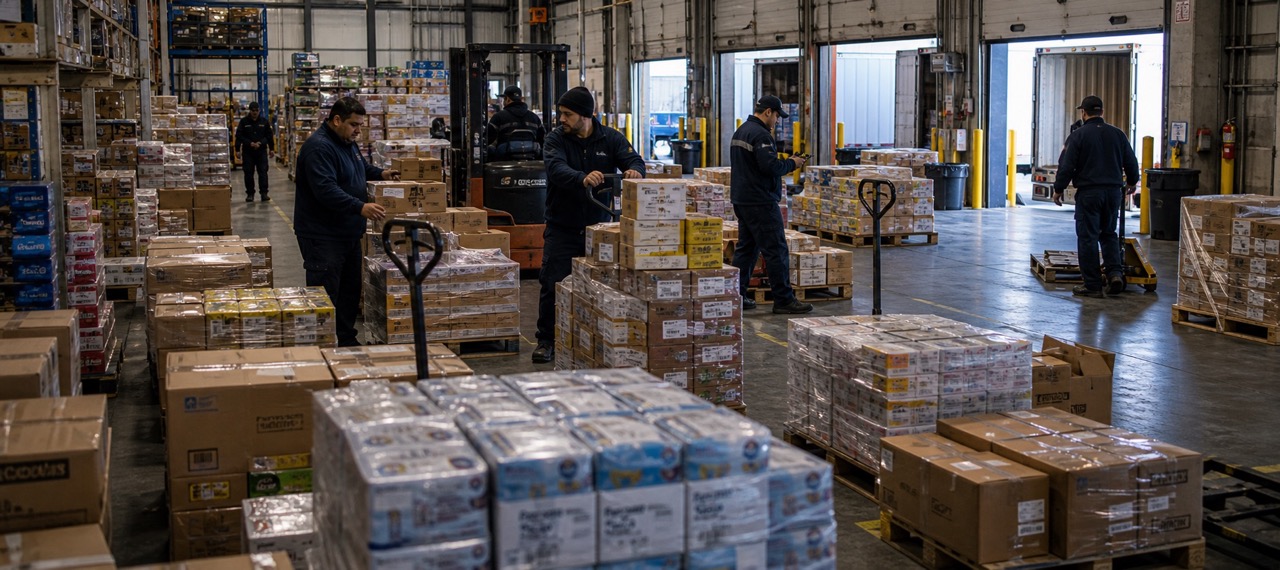
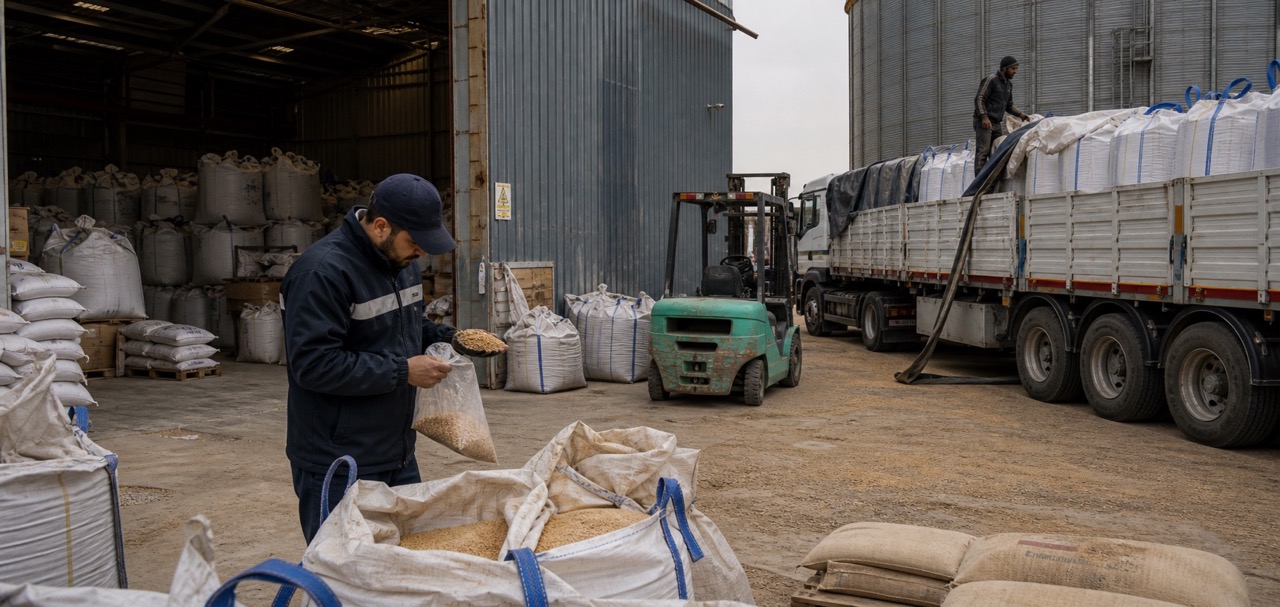
Shelf-stable food consolidated for landed cost, not carrier convenience.
The temperature bands food cargo travels in
Food freight is decided by the band, not the product name. Choose the band first.
| Band | Typical range | Typical cargo |
|---|---|---|
| Ambient | No control | Dry goods, canned food, packaging |
| Chilled | 0 to 4 degrees Celsius | Dairy, fresh meat, prepared meals |
| Controlled fresh | Just above freezing | Fruit and vegetables with ripening control |
| Frozen | Minus 18 degrees Celsius or colder | Seafood, ice cream, frozen bakery |
| Deep frozen | Below minus 25 degrees Celsius | Tuna and specialist seafood |
Planning around the shelf-life clock
Food cargo loses value every day, whether it moves or not. Plan backwards from the expiry date.
- Agree the minimum remaining life — Most buyers refuse goods below an agreed share of total shelf life on arrival.
- Count the whole journey — Inland transport and customs hold time count against the clock, not just the sea leg.
- Pre-cool before loading — A reefer maintains temperature. It does not pull warm cargo down quickly.
- Record the set point — Disputes are settled by the container log, so confirm the setting at loading.
- Plan the customs path — Food often needs health checks at entry. Pre-notify to avoid days at the border.
- Watch the ventilation setting — Fresh produce needs airflow; frozen cargo does not. The same box handles both differently.
Certificates food shipments usually need
| Document | Purpose |
|---|---|
| Health certificate | Confirms the goods are fit for human consumption |
| Certificate of analysis | Shows laboratory results for the specific lot |
| Phytosanitary certificate | Required for plant-based products |
| Halal or kosher certificate | Required by specific markets and buyers |
| Catch certificate | Proves legal origin for wild-caught seafood |
| Temperature log | Evidence the cold chain held from origin to arrival |
Getting a reefer container booking right
A refrigerated container holds a temperature. It does not fix a loading mistake, and most claims start there.
- Pre-cool the cargo, not the box — A reefer removes heat slowly. Load cargo already at the target temperature.
- Respect the load line — Stacking above the marked line blocks the airflow and creates warm pockets.
- Leave the floor channels clear — Air moves along the T-bar floor. Cover it and the cold never reaches the top.
- Confirm the set point in writing — A single digit changes frozen into chilled. Get it on the booking, not in a phone call.
- Plan for plug-out periods — Containers are unplugged during handling and road moves. Long gaps need managing.
- Download the log on arrival — The container log is the evidence. Ask for it before the box is returned.
Compliance-ready before the box is loaded.
Food cargo clears on paperwork and temperature records. Both are prepared and reviewed before departure — not chased after arrival.
Temperature & cold chain
Reefer setpoints, pre-trip inspections and data loggers specified per commodity — with the temperature record kept for the receiver and the regulator.
Temperature windows guideFood safety filings
FDA prior notice, FSMA requirements, health and phytosanitary certificates checked against the shipment before departure — first-pass clearance is the plan, not luck.
US tariffs 2026 guideOrigin & labeling
Country-of-origin rules, ingredient labeling and organic or fair-trade certifications verified against the destination market's requirements.
Customs brokerageServices food shippers use most
Every line runs in the same operating thread — one coordinator from packhouse to shelf.
Ocean Freight
Reefer FCL and consolidated LCL matched to shelf life and landed cost.
Customs brokerage
FDA prior notice, health certs and classification cleared first pass.
Warehouse Solution
Temperature-controlled storage, cross-dock and fulfillment.
Ground & Drayage
Reefer trucking and priority port drayage for the last mile.
Value Protect
Cargo protection sized to perishable risk, beyond carrier liability.
Shipments we've run, with numbers.
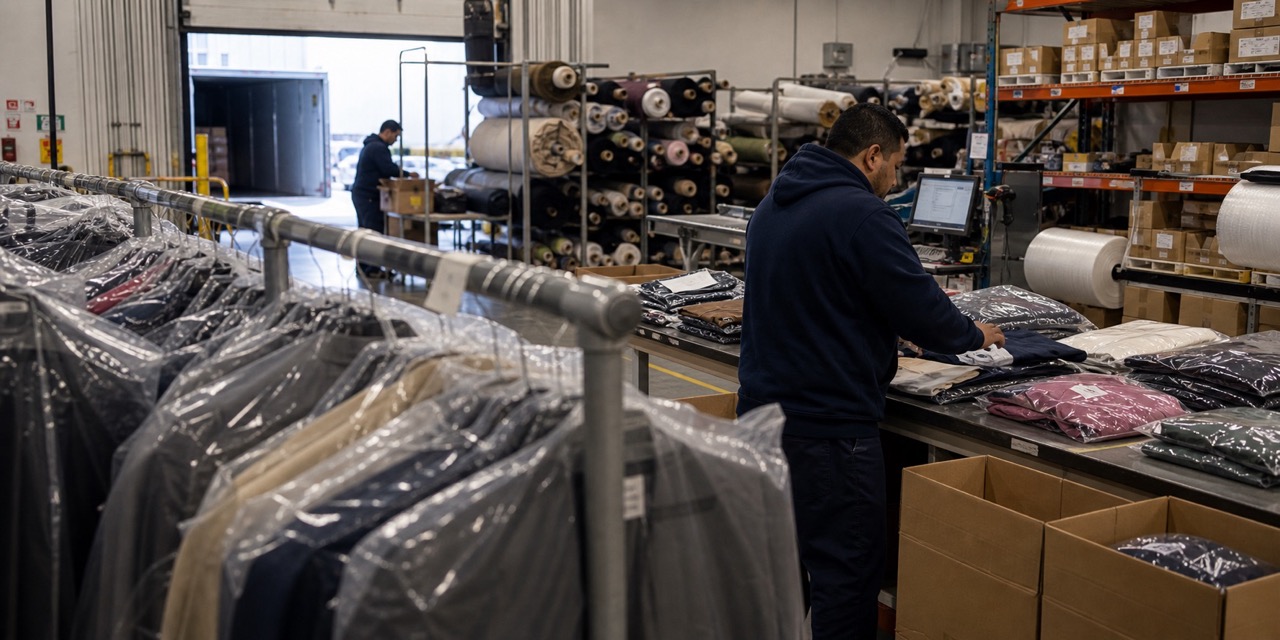
Brazilian fashion brand moves Santos → Miami off half-empty containers onto consolidated LCL.
Weekly consolidation windows, customs pre-clearance and carrier-neutral routing cut costs 28% without giving up transit predictability.
Read the case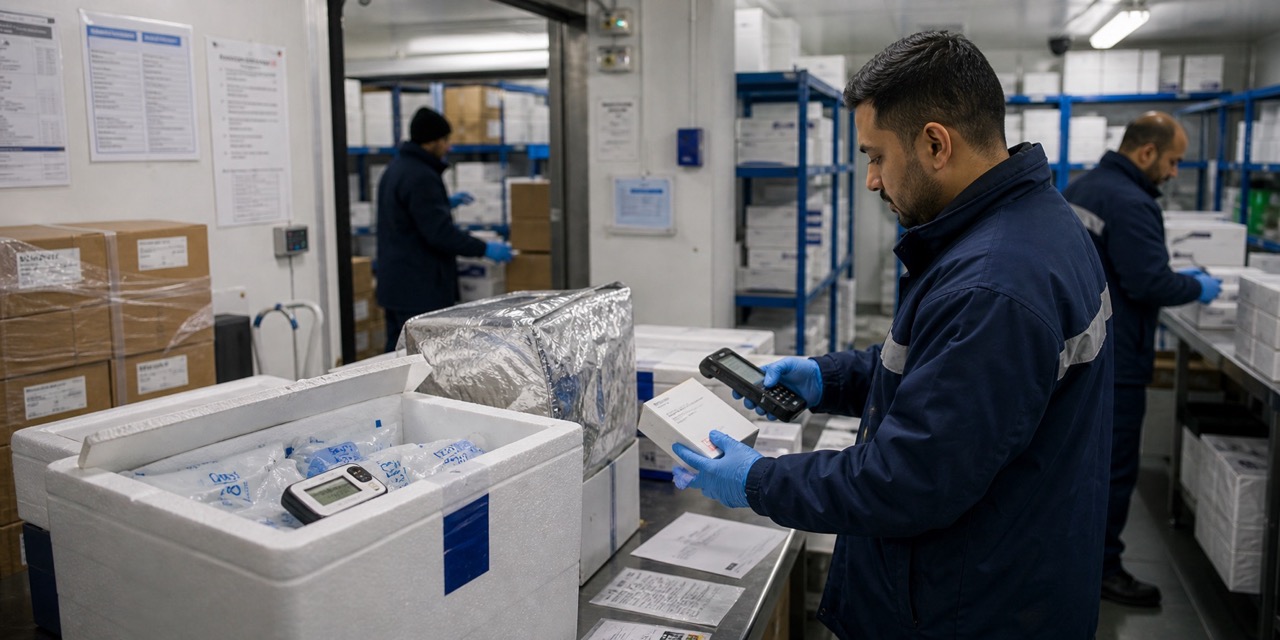
Indian pharma program holds 2–8°C from Mumbai to US distribution centers.
Active temperature monitoring, GDP-compliant handoffs and FDA prior notice filing kept every batch inside spec.
Read the caseFood & beverage insights
Written by the Suaid Global editorial team — practical guides for importers and exporters.
Common questions about Food & Beverage.
Send the lane. We'll shape the plan.
Tell us the commodity, origin, destination and timing. A food-lane coordinator reviews it and prepares route options with an all-in view of cost.
Anything you need, we're here to help.
Discuss your shipment with Suaid Global. Choose a contact channel below.
Request a quote
Share the route, cargo and timing so the quote can state its scope and exclusions.
Start a quoteTalk now on WhatsApp
Use WhatsApp for route questions, quote follow-up or shipment details.
Open WhatsAppEmail the team
Include your shipment details and preferred contact information.
contact@suaidglobal.com