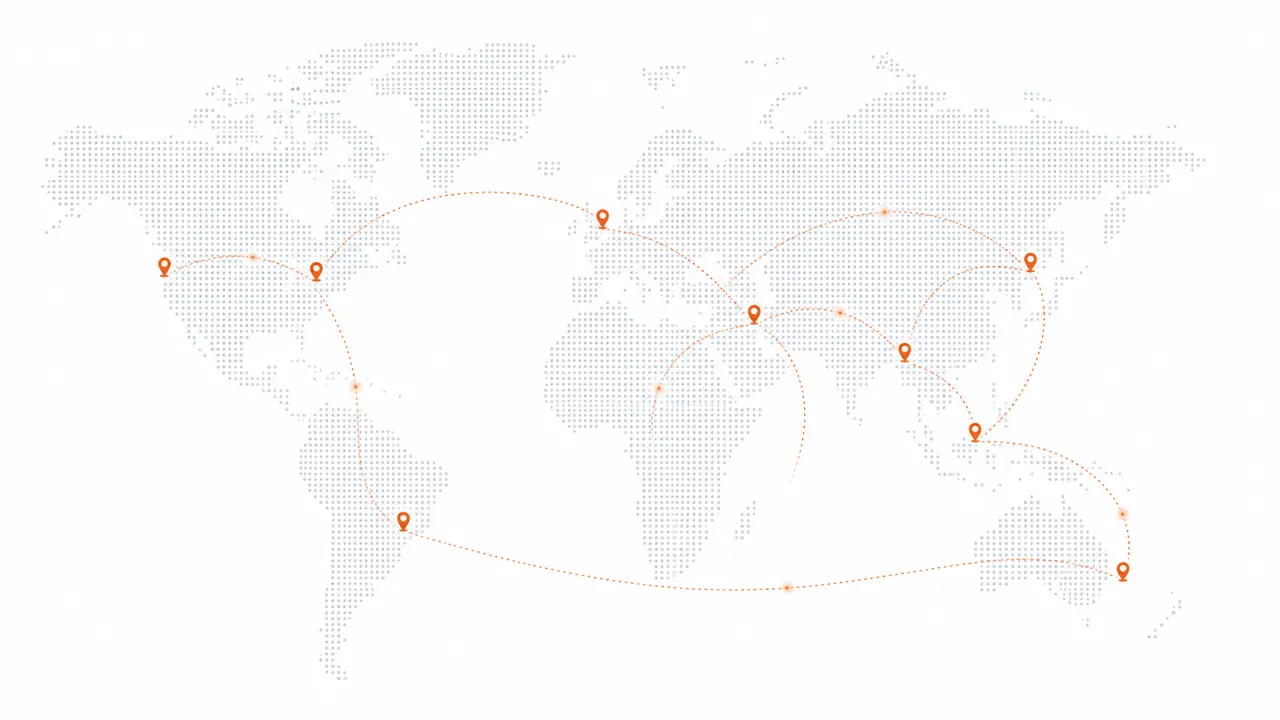

Send the lane and cargo
Origin, destination, commodity, volume, Incoterm and the timing you are working to.
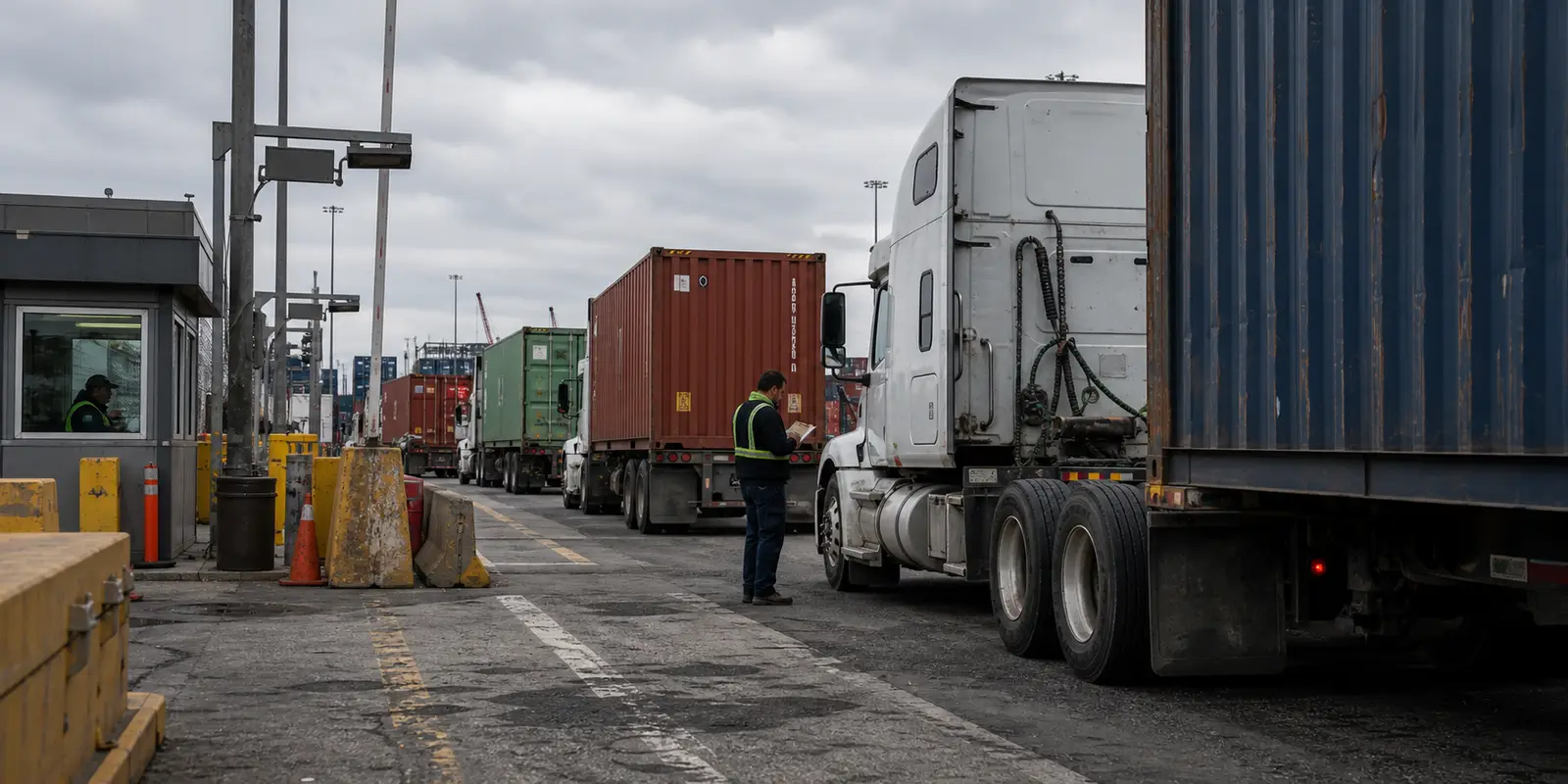
FTL, LTL and port drayage across the inland legs that decide whether an ocean or air shipment actually reaches the door on time.
Port appointments, chassis availability, warehouse receiving windows and driver capacity can erase the gains of a good ocean or air rate.
Containers need appointment timing, equipment checks, demurrage control and warehouse coordination. We keep those details connected to the international shipment.
Demurrage and detention guide
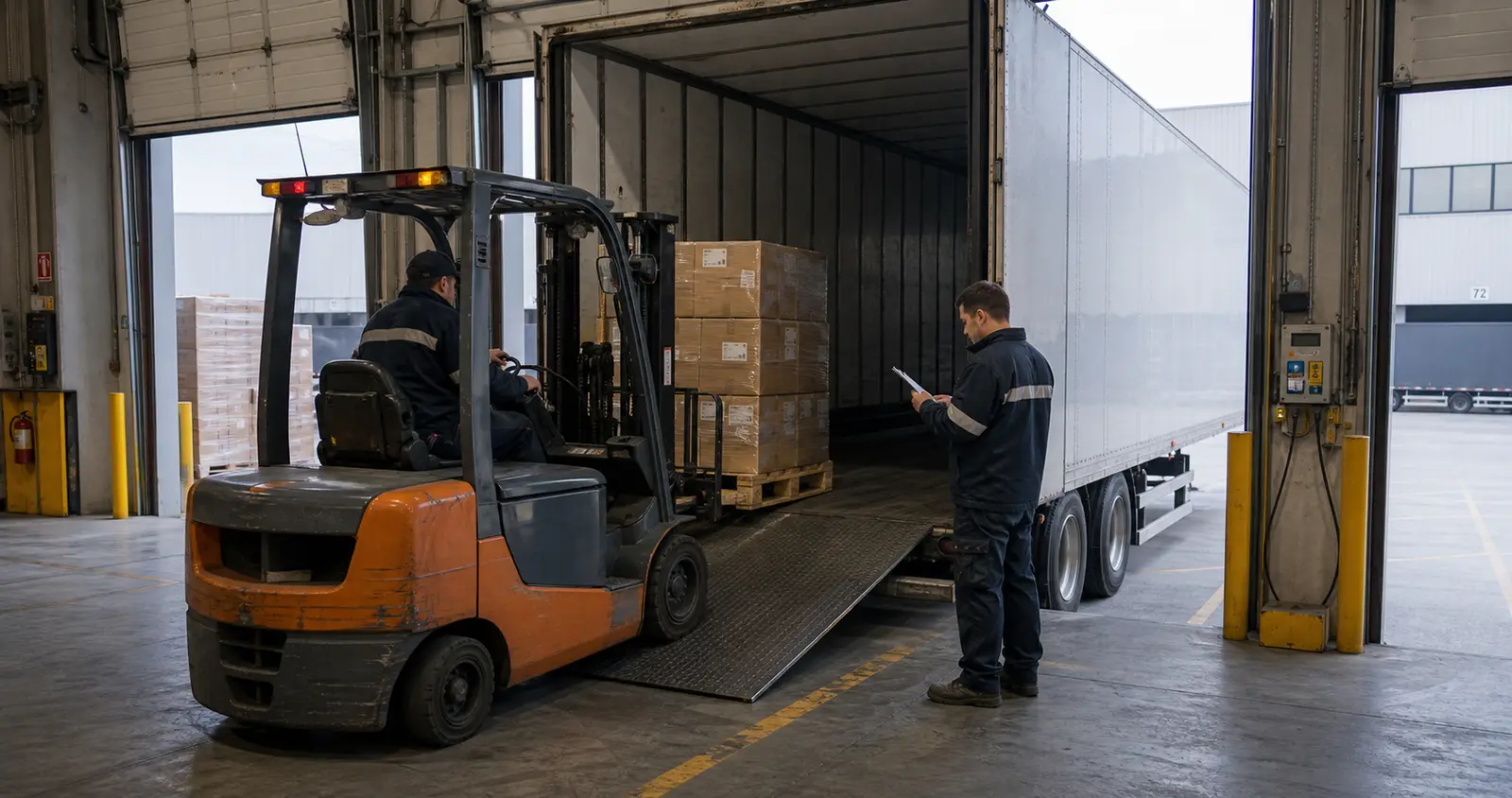
Dedicated truckload protects control and speed. LTL reduces cost for smaller freight but adds terminal handling. The right answer depends on pallet count, delivery appointment and handling risk.
Freight class guideA shipment is not really door-to-door until the inland cost and delivery window are known. We price drayage and delivery early to protect landed cost.
Cost breakdown Full Truckload Dedicated trucks for direct moves where timing, security or volume matters. Explore FTL
 Options are compared on fit, cost and risk instead of a carrier's owned capacity.
A single coordinator keeps the shipment moving across parties and time zones.
Commercial documents, HS codes and handoff details are checked before they delay the move.
Port, warehouse and delivery windows are planned before the truck is dispatched.
Ground partners support inland legs across US import and export lanes.
Demurrage, detention, waiting time and failed delivery risk are handled early.
Origin, destination, commodity, volume, Incoterm and the timing you are working to.
Truckload, LTL and drayage options are checked against appointment windows, cargo profile and fee exposure.
One all-in proposal with the trade-offs shown before anything is booked.
Carrier dispatch, port pickup, warehouse appointment and delivery updates stay connected to the international file.
The base port-to-door haul is only one part of a drayage budget. Many extras can move the total. Think fuel, chassis, pre-pull, storage, waiting time, overweight handling, permits and tolls. Appointment limits, detention and demurrage boundaries count too.
A quote you can compare needs the full picture. Give the terminal, the delivery postcode, the container size and weight, and the ready date. Add the last free day, appointment rules, live-load or drop need and the empty-return spot. Ask which extras are included, which pass through and which bill only when an event occurs.
The truck leg should be planned before the cargo reaches the terminal.
Drayage is the short move that connects the long ones. Which type you need depends on where the box has to end up.
Most unplanned drayage cost is not the trucking. It is the clock. Two different clocks run at the same time, and they are often confused.
| Clock | What it measures | Who charges it | How to stop it |
|---|---|---|---|
| Demurrage | Container sitting inside the terminal | The terminal or carrier | Collect the box before free days end |
| Per diem / detention | Container held outside the terminal | The carrier | Unload and return the empty quickly |
| Driver detention | Truck waiting at your dock | The trucker | Unload within the free window |
| Chassis rental | Days the chassis is in use | Chassis provider | Return with the empty, not later |
Drayage prices react to timing and paperwork, both of which you control more than you think.
Drayage is a scheduling problem more than a driving problem. Send these and the appointment holds.
Short moves, long list of charge codes. These are the ones to check first.
Sectors that rely on this product the most.
Browse the full catalog by family. Every line connects to the same operating thread and the same accountable coordinator.
Moving the freight itself: ocean, air and inland legs matched to cargo, timing and landed cost.
Storage, equipment and clearance kept in the same operating thread as the move.
Route strategy, cost modelling and protection before the booking is placed.
Guides written by the Suaid Global editorial team.
Talk to a real freight coordinator. Pick the channel that fits how fast you need an answer.
Share the route, cargo and timing so the quote can state its scope and exclusions.
Start a quoteUse WhatsApp for route questions, quote follow-up or shipment details.
Open WhatsAppInclude your shipment details and preferred contact information.
contact@suaidglobal.comIndependent freight orchestrator for global ocean, air, ground, customs and warehousing. Carrier-neutral routing, one accountable team, no carrier lock-in.
Freight forwarding for importers and exporters. Compare ocean, air and ground options, with clear costs and coordination from pickup to delivery.
Suaid Global compares transport and logistics partners for your shipment. One coordinator connects the agreed services from the first request to final delivery.