Africa freight coordination
Africa is a continent with 54 countries, each with its own customs regulations, languages, and infrastructure. The AfCFTA (African Continental Free Trade Area) is changing the landscape, but operational complexity remains enormous. An expanding middle class, infrastructure boom, and abundant natural resources make Africa a market that cannot be ignored. We connect Africa to global markets through our US-based operations and partner network across every corridor.
Africa documented coverage markets.
Each country page carries ports, airports, documents, customs notes and the operating context behind the lane.
South Africa
Sub-Saharan Africa's largest economy
Nigeria
West Africa's largest economy
Egypt
Suez Canal controller, Middle East-Africa bridge
Kenya
East Africa's largest economy, regional hub
Morocco
North Africa's developed economy, Atlantic-Mediterranean bridge
Ghana
West Africa's stable economy, ECOWAS gateway
Tanzania
East-Central Africa's main port, gold exporter
Complete logistics solutions for Africa
Industries that drive Africa
Energy & Mining
South Africa, Nigeria, Ghana: minerals, petroleum, gold, diamonds. Project cargo for mining equipment and platforms.
View industryConstruction
Infrastructure boom across the continent. Steel, cement, heavy equipment, and construction materials.
View industryAgriculture & Food
Kenyan flowers, Ethiopian coffee, Ghanaian cocoa. Cold chain and phytosanitary compliance for export.
View industryFMCG
Expanding middle class creating growing demand for consumer goods. Complex regional distribution.
View industryInside the main Africa markets.
South Africa
Ports: Durban, Cape Town, Port Elizabeth
Airports: JNB Johannesburg O.R. Tambo
Key Products: Mining, automotive, wines, fruits, chemicals
Customs: SARS (South African Revenue Service), ITAC licenses, AGOA preferential
Nigeria
Ports: Lagos/Apapa, Tin Can Island, Onne
Airports: LOS Lagos Murtala Muhammed
Key Products: Petroleum, FMCG, construction, agriculture, technology
Customs: NCS (Nigeria Customs Service), SON compliance, Form M for imports
Kenya
Ports: Mombasa
Airports: NBO Nairobi Jomo Kenyatta
Key Products: Flowers, tea, coffee, textiles, horticulture
Customs: KRA (Kenya Revenue Authority), KEBS standards, EAC customs union
Egypt
Ports: Alexandria, Port Said, Damietta
Airports: CAI Cairo International
Key Products: Textiles, chemicals, petroleum, food products, construction
Customs: Egyptian Customs Authority, Suez Canal as strategic hub, preferential agreements
Ghana, Tanzania & Ethiopia
Ports: Tema (GH), Dar es Salaam (TZ)
Airports: ADD Addis Ababa Bole
Key Products: Cocoa, gold (GH), minerals (TZ), coffee, flowers (ET)
Customs: GRA (Ghana), TRA (Tanzania), ERCA (Ethiopia), varied documentation requirements
Morocco, Mozambique & Angola
Ports: Casablanca, Tanger Med (MA), Maputo (MZ), Luanda (AO)
Key Products: Textiles, phosphates (MA), natural gas (MZ), petroleum (AO)
Customs: Varied regional regulations, SADC agreements, and EU-Morocco preferential agreements
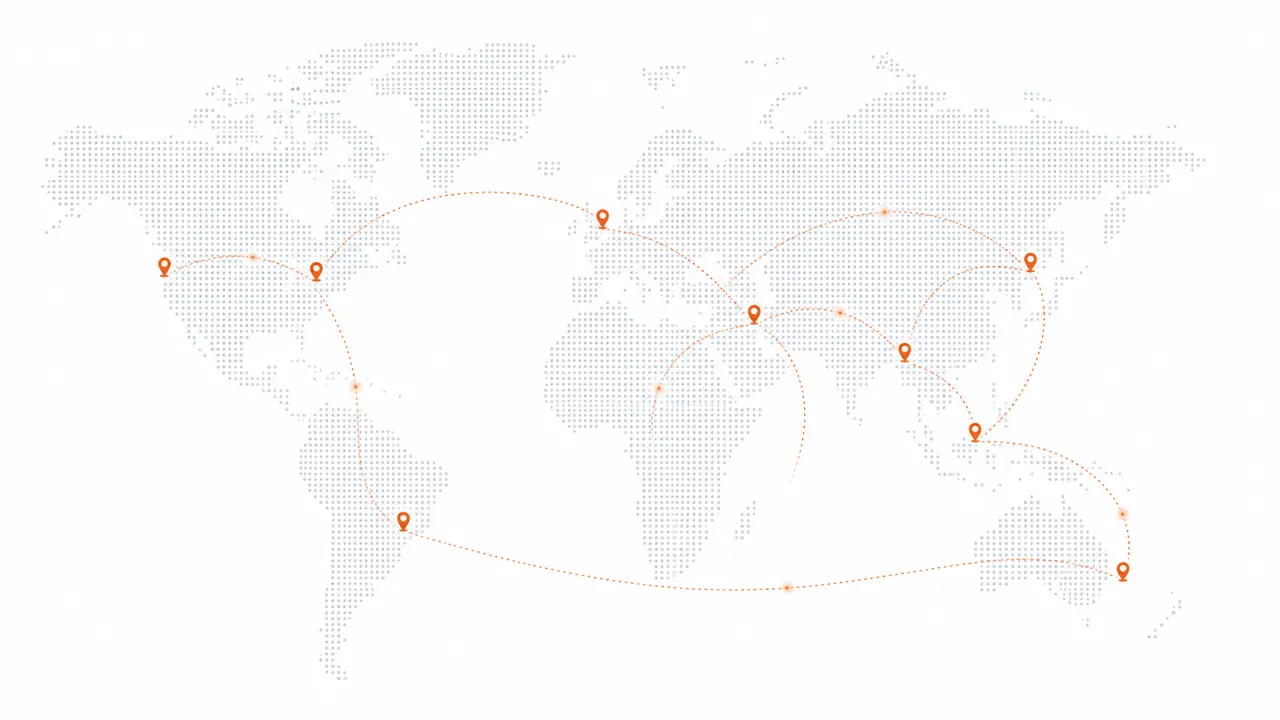
How cargo moves in and out of Africa.
USA → Africa
Transit: 18–25 days
Destinations: Durban, Lagos, Mombasa, Casablanca
Machinery, equipment, FMCG, technology, vehicles. AGOA preferential for qualifying countries, SARS and NCS compliance.
Europe → Africa
Transit: 10–18 days
Origins: Rotterdam, Antwerp, Le Havre → Lagos, Tema, Durban
Industrial machinery, pharmaceuticals, FMCG, automotive. Historically strong route with colonial connections and preferential agreements.
Asia → Africa
Transit: 20–30 days
Origins: Shanghai, Mumbai → Mombasa, Dar es Salaam, Durban
Electronics, textiles, construction materials, consumer goods. China as Africa's largest trading partner with massive infrastructure investments.
Africa → USA
Transit: 18–25 days
Origins: Durban, Lagos, Mombasa → Houston, Newark, Savannah
Minerals, coffee, flowers, cocoa, petroleum, fruits. AGOA certificates of origin, FDA compliance for food products, and CBP clearance.
Rules that shape Africa freight.
AfCFTA — Continental Free Trade
The AfCFTA (African Continental Free Trade Area) is creating a single market of 1.3 billion people. Intra-African tariffs are being reduced, but implementation varies by country. Our customs broker partners follow these changes so your landed cost stays current.
Per-Country Customs — Each with Its Own Rules
Nigeria requires Form M and SON compliance. South Africa requires SARS clearance and ITAC licenses. Kenya requires KEBS certification. Egypt requires specific importer registrations. Each country is its own regulatory universe, so we clear through licensed brokers in each market.
AGOA — Preferential US Access
The African Growth and Opportunity Act (AGOA) offers duty-free US access for qualifying African countries. Correct certificates of origin and AGOA rules compliance can save thousands in tariffs. Our broker partners check your paperwork against the current AGOA rules before filing.
Documentation & Operational Challenges
African ports can have chronic congestion (especially Lagos). Incomplete documentation can result in weeks of demurrage. Road infrastructure varies drastically. We plan around these constraints with our partner network to reduce the risk of delay.
Africa freight questions, answered.
Local constraints, service coverage and how to turn a regional plan into a quote.
Need a route plan for Africa?
Send the lane, cargo and timeline. We will confirm the route options, documentation needs and all-in quote from the same operating thread.
Request a quote
Share the route, cargo and timing so the quote can state its scope and exclusions.
Start a quoteTalk on WhatsApp
Fastest channel for a route question, quote follow-up or urgent shipment check.
Open WhatsAppEmail the team
For attachments, RFQs or shipment context that needs a written trail.
contact@suaidglobal.com