

Send the lane and cargo
Origin, destination, commodity, volume, Incoterm and the timing you are working to.
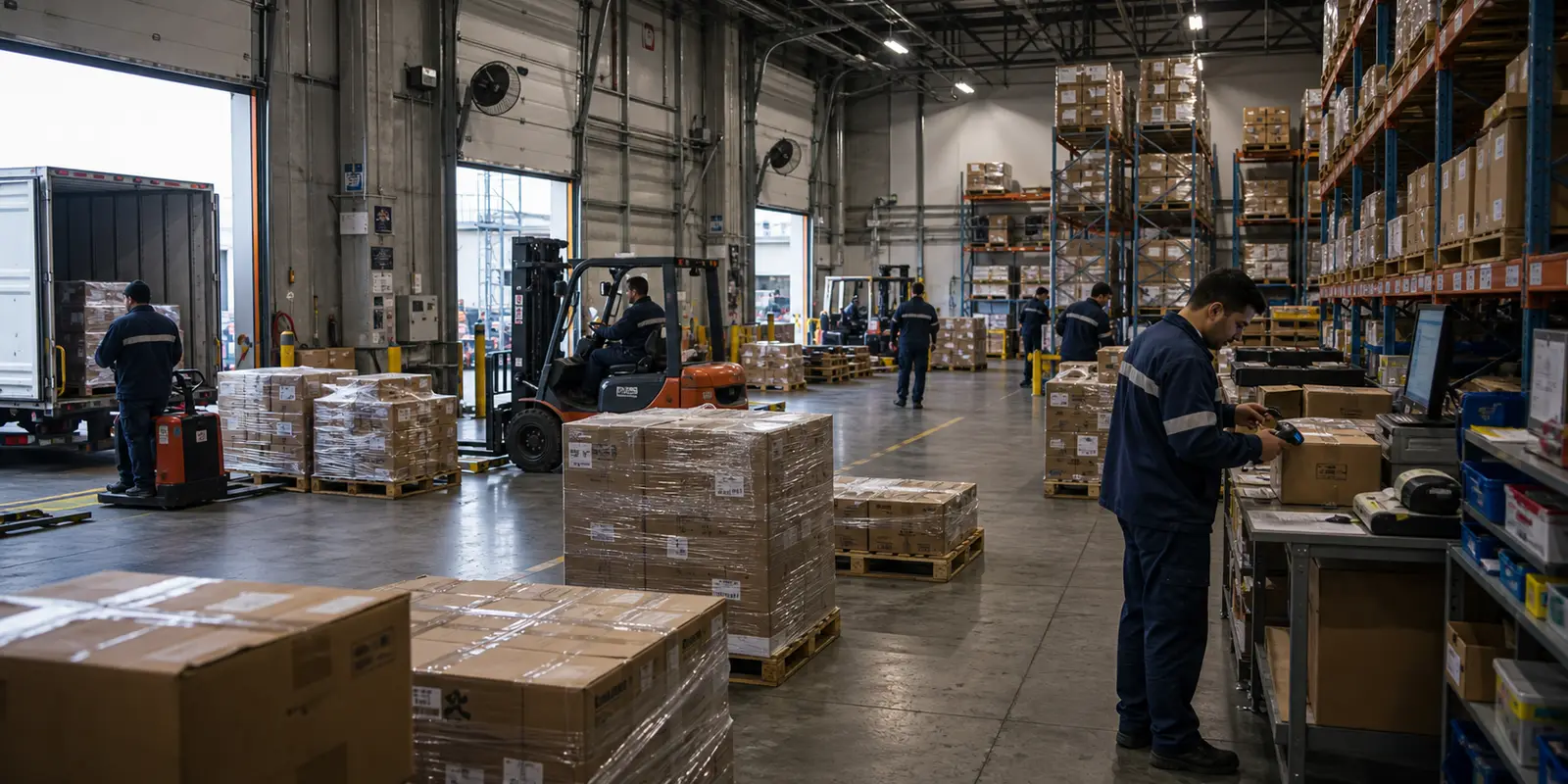
Cross-dock, short-term storage, fulfillment and distribution positioned around the lanes your cargo actually uses.
Storage, receiving and fulfillment should reduce handoff risk. The right warehouse location depends on port, airport, inventory timing and final delivery.
When freight needs to transfer quickly from import leg to delivery network, cross-dock reduces storage time and keeps inventory from sitting idle.
Warehouse costs guide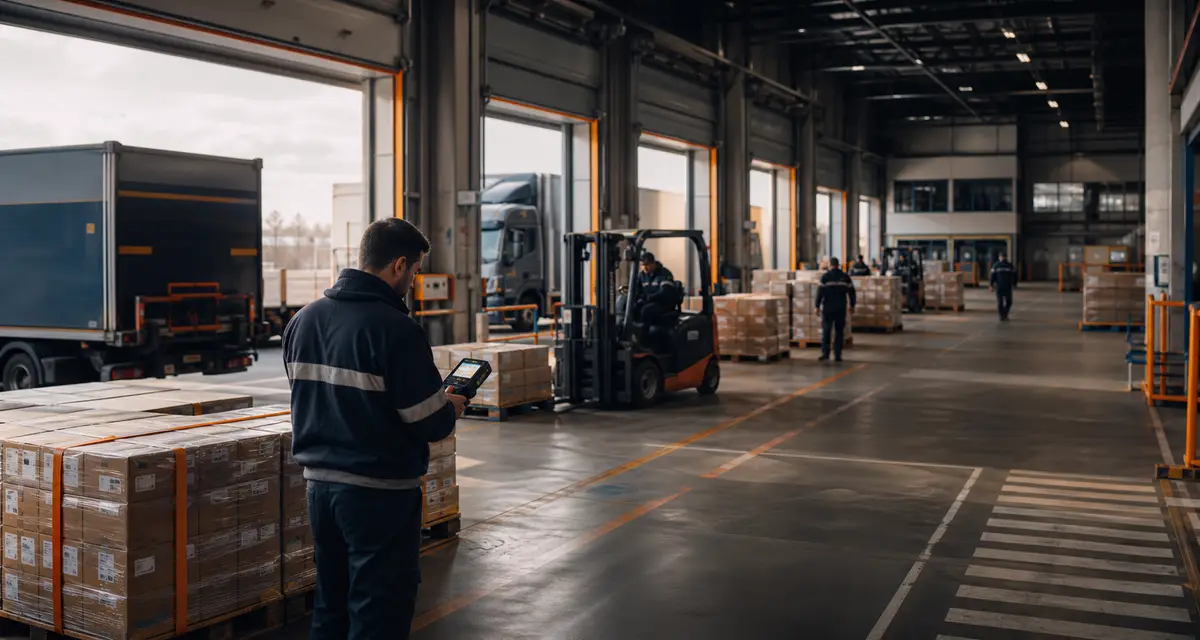

If customs, receiving windows or sales channels are not ready, storage gives the shipment a controlled pause instead of a terminal problem.
Bonded warehouse guideWarehousing, LTL, FTL and parcel handoffs need one plan so the cargo leaves storage with the right delivery instructions.
E-commerce forwarding guide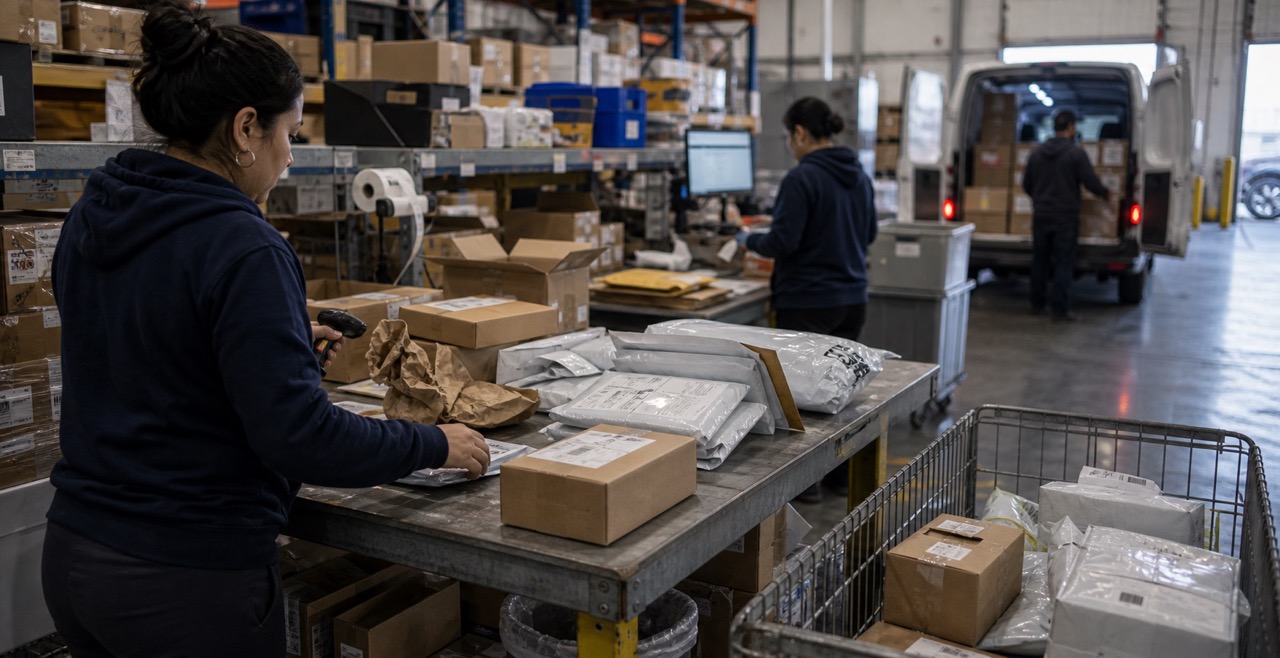 Cross-Dock Fast transfer from import or supplier delivery into outbound ground freight. Discuss cross-dock
 Options are compared on fit, cost and risk instead of a carrier's owned capacity.
A single coordinator keeps the shipment moving across parties and time zones.
Commercial documents, HS codes and handoff details are checked before they delay the move.
Warehouse options are matched to port, airport, customer and delivery geography.
Receiving and delivery legs are planned together instead of treated separately.
Handling requirements, counts and release instructions stay connected to the freight file.
Origin, destination, commodity, volume, Incoterm and the timing you are working to.
Warehouse location, receiving window, storage duration, handling needs and outbound delivery are mapped together.
One all-in proposal with the trade-offs shown before anything is booked.
Receiving, storage, release, rework and distribution stay connected to the same coordinator.
Storage should solve a routing problem, not create another one.
Storage is the smallest part of the job. Most of the value sits in what happens between the truck and the shelf, and between the order and the carrier.
A bonded facility lets goods sit before duty is paid. That changes your cash flow, not your paperwork burden.
| Point | General warehouse | Bonded warehouse |
|---|---|---|
| Duty timing | Paid at import clearance | Deferred until goods leave the bond |
| Re-export | Duty already paid; refund needed | Can re-export without paying import duty |
| Record keeping | Standard inventory records | Customs-auditable records, stricter rules |
| Best for | Goods sold in the local market | Goods awaiting a buyer, or destined onward |
Sites that get this data early start picking on day one. Sites that do not spend the first week fixing records.
Storage cost per pallet is the easiest number to compare and the least useful on its own. These tell you more.
Fulfilment invoices vary by provider. These lines appear on nearly all of them.
Sectors that rely on this product the most.
Calculate cubic meters from package dimensions. Multi-package support, container recommendations, and chargeable weight for air and ocean.
Estimate ocean (FCL/LCL), air freight, and express shipping costs by route, weight, and volume. Compare all modes side-by-side.
Browse the full catalog by family. Every line connects to the same operating thread and the same accountable coordinator.
Moving the freight itself: ocean, air and inland legs matched to cargo, timing and landed cost.
Storage, equipment and clearance kept in the same operating thread as the move.
Route strategy, cost modelling and protection before the booking is placed.
Guides written by the Suaid Global editorial team.
Talk to a real freight coordinator. Pick the channel that fits how fast you need an answer.
Share the route, cargo and timing so the quote can state its scope and exclusions.
Start a quoteUse WhatsApp for route questions, quote follow-up or shipment details.
Open WhatsAppInclude your shipment details and preferred contact information.
contact@suaidglobal.comIndependent freight orchestrator for global ocean, air, ground, customs and warehousing. Carrier-neutral routing, one accountable team, no carrier lock-in.
Freight forwarding for importers and exporters. Compare ocean, air and ground options, with clear costs and coordination from pickup to delivery.
Suaid Global compares transport and logistics partners for your shipment. One coordinator connects the agreed services from the first request to final delivery.