
Send the lane and cargo
Origin, destination, commodity, volume, Incoterm and the timing you are working to.
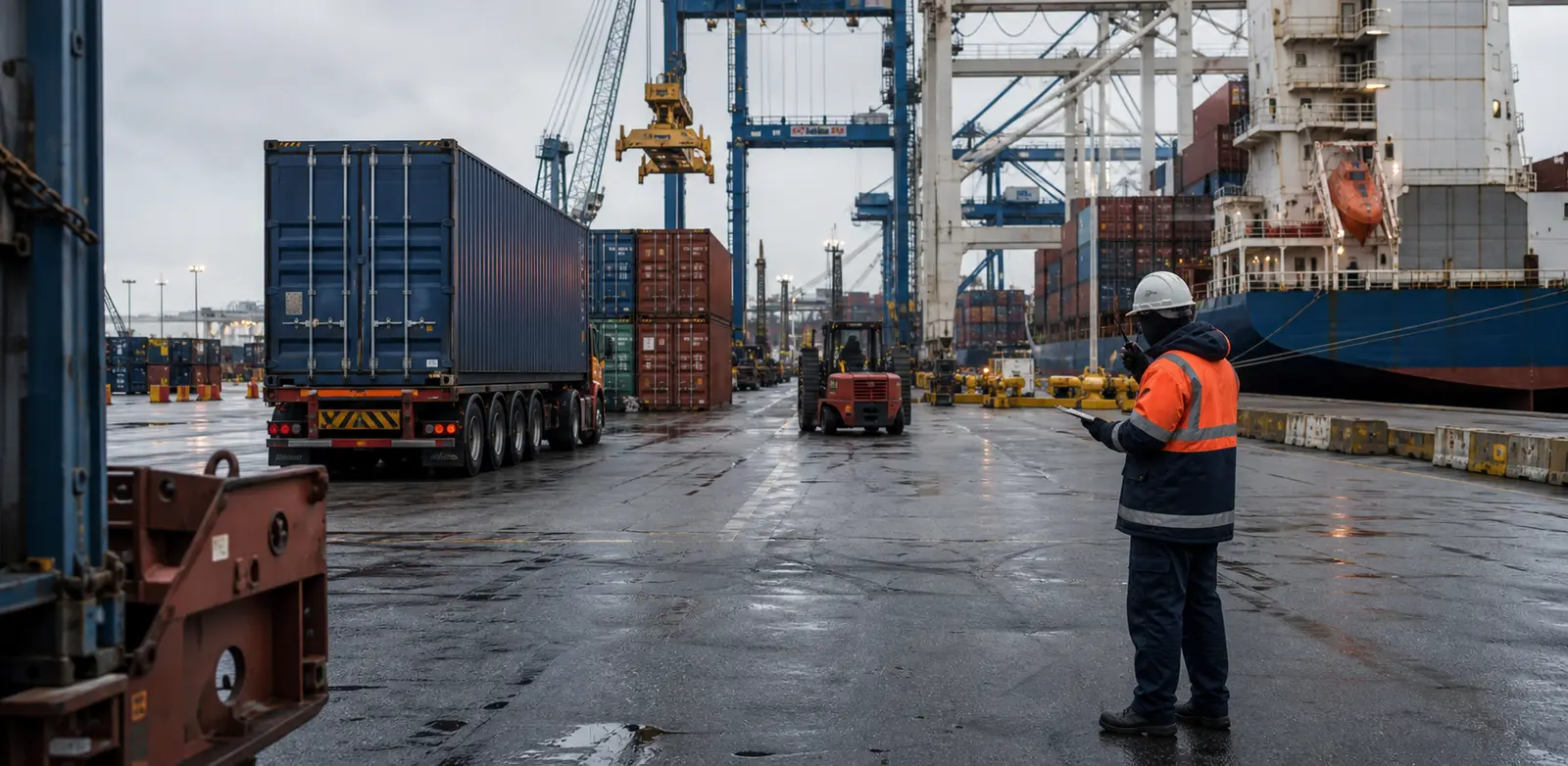
FCL, LCL and consolidation across global trade lanes, compared on sailing schedule, transshipment risk, documents and landed cost, then coordinated by one accountable team.
Every ocean shipment moves through export handling, a sailing schedule, arrival documents, customs and inland delivery. The cost and the delays hide in the handoffs.
It is rarely just a container on a ship. A shipment passes through origin handling, a schedule with transshipment points, bills of lading, customs, drayage and final delivery.
Read the full guide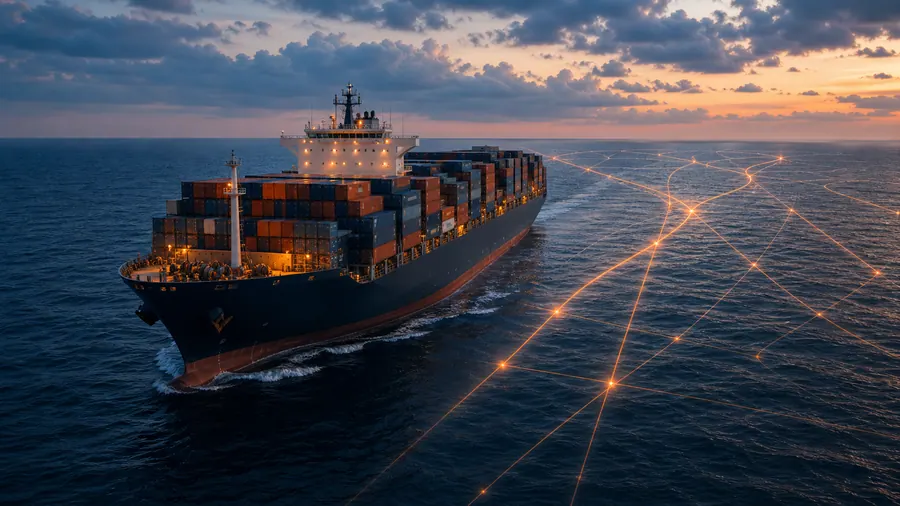

A full container rewards volume. Consolidated freight shares space and rewards smaller, frequent shipments. The right call depends on volume, timing, handling risk and landed cost.
FCL vs LCL, comparedA 40ft container from Shanghai runs about US$7,352 to Los Angeles and US$9,726 to New York, and LCL about US$45–180 per CBM. Origin charges, destination fees, duties and drayage come on top, so the quote shows the full arrival picture.
See 2026 ocean freight rates

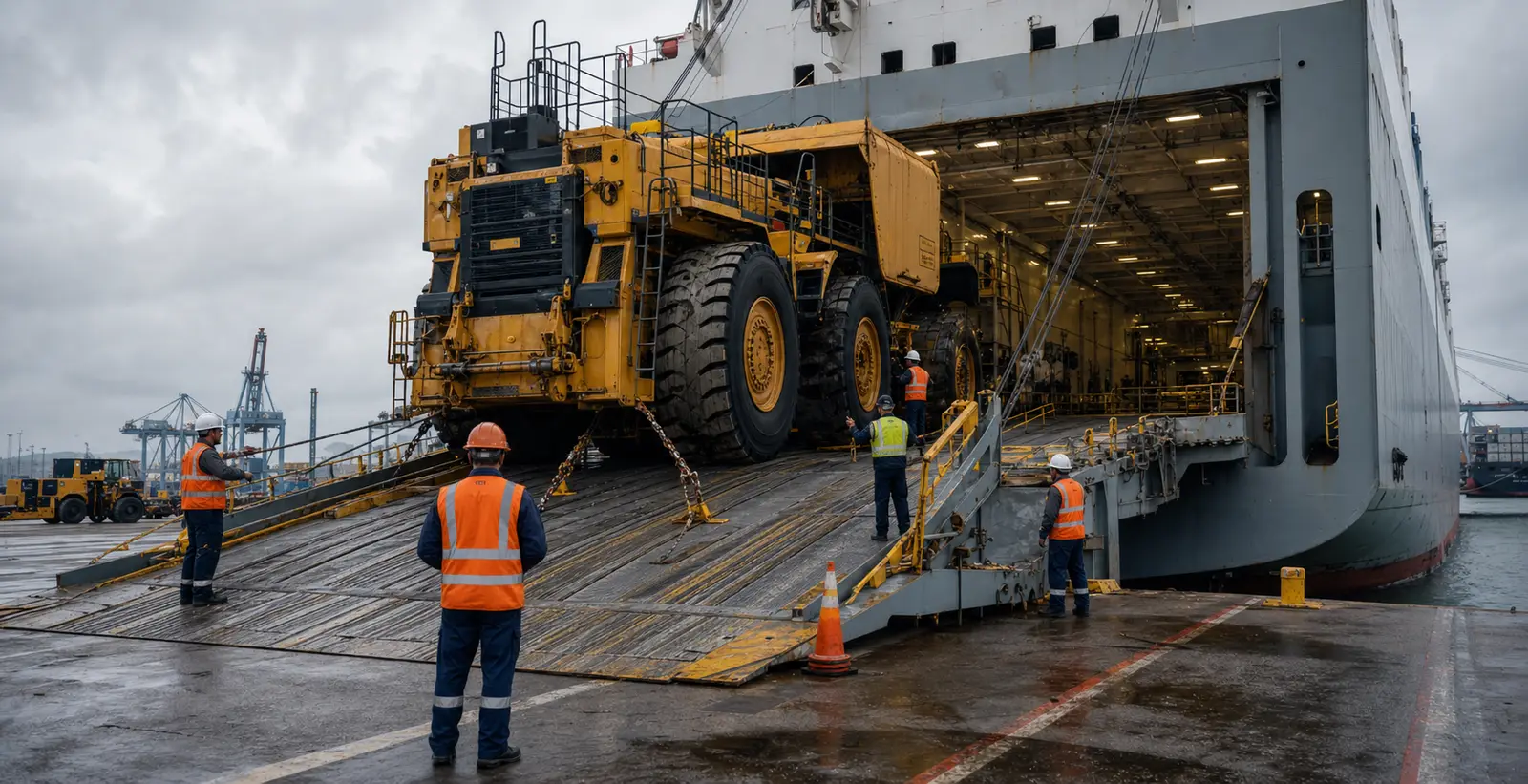 Project & Oversized Breakbulk, RoRo and out-of-gauge cargo planned around port handling and inland limits. Explore project cargo
 Options are compared on fit, cost and risk instead of a carrier's owned capacity.
A single coordinator keeps the shipment moving across parties and time zones.
Commercial documents, HS codes and handoff details are checked before they delay the move.
Origin, port, transshipment, arrival and drayage stay in one operating thread.
Vetted local partners handle origin and destination steps with the same operating standard.
All-in quotes show freight, fees, duties and drayage before the box moves.
Origin, destination, commodity, volume, Incoterm and the timing you are working to.
Sailing schedules, transshipment points, inland legs and clearance exposure are weighed together.
One all-in proposal with the trade-offs shown before anything is booked.
Booking, documents, clearance, drayage and delivery stay in one operating thread.
Still deciding between modes or unsure about documents? Send the lane and we will walk you through it.
Choosing between Full Container Load and Less Than Container Load depends on your cargo volume, budget, and timeline.
| Factor | FCL | LCL |
|---|---|---|
| Best for | Shipments over 10-15 CBM | Shipments under 10-15 CBM |
| Cost structure | Per container (fixed) | Per CBM or per ton (variable) |
| Transit time | 15-35 days (direct) | 20-45 days (+5-10 consol.) |
| Cargo handling | Sealed origin to destination | Multiple handling at CFS warehouses |
| Damage risk | Lower (exclusive container) | Higher (shared space) |
| Container sizes | 20', 40', 40'HC, Open Top, Flat Rack | N/A — shared container space |
| Flexibility | Ship anytime, more departures | Fixed consolidation schedules |
| Ideal for | Regular importers, high volume | New importers, samples, small orders |
Approximate port-to-port transit times for major trade lanes. Actual times vary by carrier and routing.
| Route | Port-to-Port | Door-to-Door Estimate |
|---|---|---|
| Shanghai → Los Angeles | 12-15 days | 18-22 days |
| Shanghai → New York | 25-30 days | 32-38 days |
| Shenzhen → Miami | 22-28 days | 28-35 days |
| Santos (Brazil) → Miami | 12-16 days | 18-24 days |
| Hamburg → New York | 10-14 days | 16-20 days |
| Mumbai → Los Angeles | 22-28 days | 28-35 days |
| Ho Chi Minh → Long Beach | 16-20 days | 22-28 days |
| Busan → Los Angeles | 11-14 days | 17-21 days |
Ocean quotes carry a set of acronyms that repeat across carriers. These are the ones that show up most often on an invoice.
| Code | Full name | What it pays for |
|---|---|---|
| BAF | Bunker adjustment factor | Fuel price movement between quote and sailing |
| CAF | Currency adjustment factor | Exchange rate movement on the lane |
| THC | Terminal handling charge | Moving the box between quay and yard |
| GRI | General rate increase | A carrier-wide rate rise announced for a date |
| PSS | Peak season surcharge | Demand peaks, typically before major holidays |
| ISPS | Port security charge | Mandatory port and vessel security measures |
| Doc fee | Documentation fee | Issuing and processing the bill of lading |
A quoted transit is a plan, not a promise. Knowing what moves it lets you build a buffer that is realistic instead of generous.
Four documents carry the whole ocean shipment. Everything else supports them.
Sectors that rely on this product the most.
Estimate ocean (FCL/LCL), air freight, and express shipping costs by route, weight, and volume. Compare all modes side-by-side.
Calculate cubic meters from package dimensions. Multi-package support, container recommendations, and chargeable weight for air and ocean.
Estimate LCL shipping costs by route, volume, and cargo type. Includes W/M ratio analysis and all-in cost breakdown.
Compare indicative LCL and FCL planning costs by route, volume, weight, and shipping frequency. Request a formal quote and verify the fee scope before choosing.
Estimate door-to-door shipping times for any route. Compare ocean, air, and express with detailed timeline breakdowns.
Browse the full catalog by family. Every line connects to the same operating thread and the same accountable coordinator.
Moving the freight itself: ocean, air and inland legs matched to cargo, timing and landed cost.
Storage, equipment and clearance kept in the same operating thread as the move.
Route strategy, cost modelling and protection before the booking is placed.
Guides written by the Suaid Global editorial team.
Talk to a real freight coordinator. Pick the channel that fits how fast you need an answer.
Share the route, cargo and timing so the quote can state its scope and exclusions.
Start a quoteUse WhatsApp for route questions, quote follow-up or shipment details.
Open WhatsAppInclude your shipment details and preferred contact information.
contact@suaidglobal.comIndependent freight orchestrator for global ocean, air, ground, customs and warehousing. Carrier-neutral routing, one accountable team, no carrier lock-in.
Freight forwarding for importers and exporters. Compare ocean, air and ground options, with clear costs and coordination from pickup to delivery.
Suaid Global compares transport and logistics partners for your shipment. One coordinator connects the agreed services from the first request to final delivery.