

Send the lane and cargo
Origin, destination, commodity, volume, Incoterm and the timing you are working to.
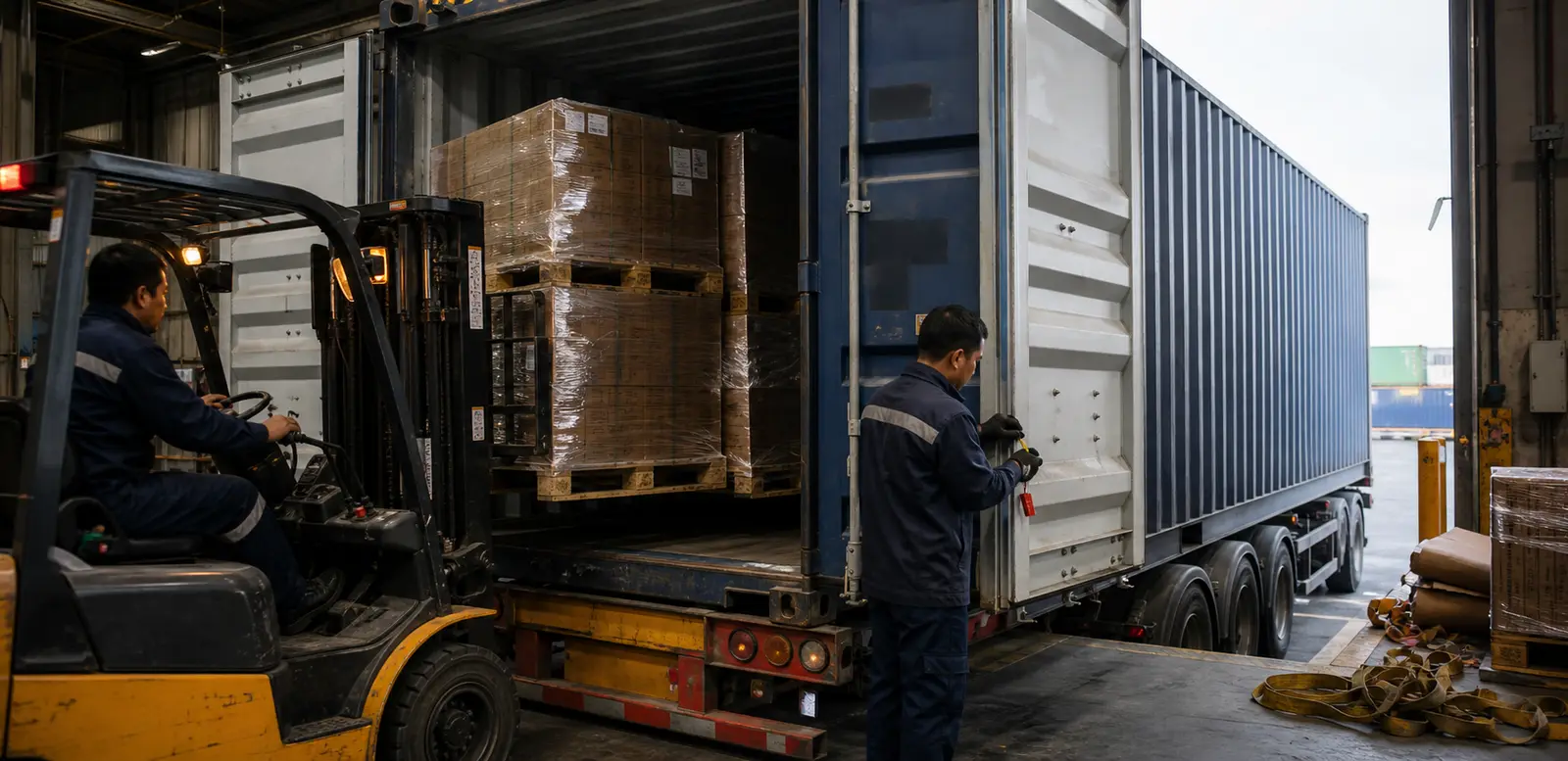
A 40ft container runs about US$6,800–7,800 from Ningbo to Long Beach and US$8,700–9,700 from Shenzhen to Miami, port to port (2026). We ship 20ft, 40ft and 40HC containers through licensed partners, with clearance and inland delivery in one plan.
A full container reduces shared handling and can lower per-unit cost. The risk moves to equipment, schedule, documents, port fees and drayage.
FCL fits cargo with enough volume, higher handling sensitivity or a delivery window that does not tolerate consolidation delays.
FCL vs LCL guide
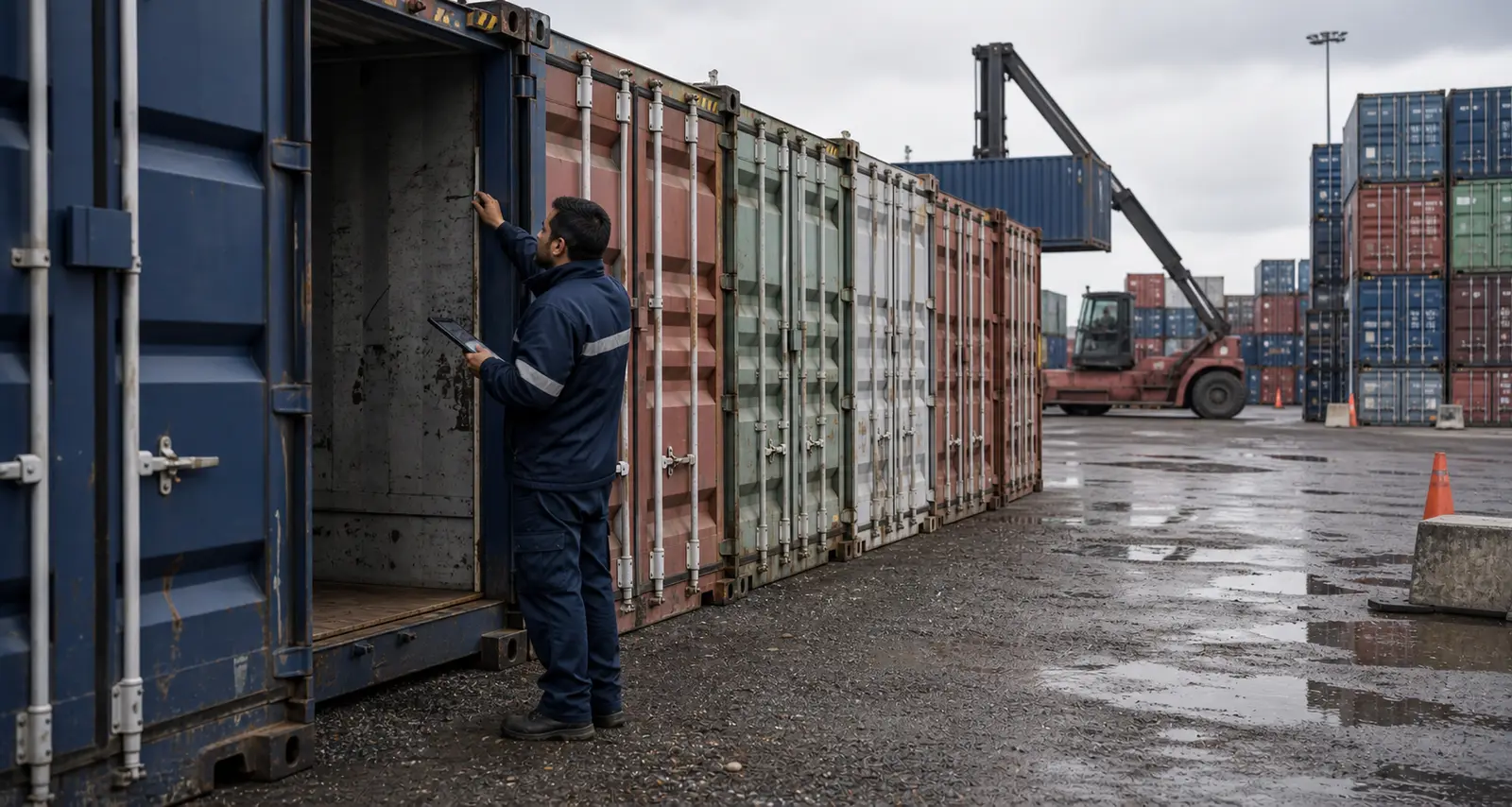
20-foot, 40-foot, 40HC, reefer, flat rack and open-top equipment each change payload, loading, availability and cost exposure.
Container types explainedA 40ft container runs about US$6,200–7,000 from Ho Chi Minh City to Los Angeles and US$2,800–4,200 from Santos to Miami, port to port (2026). From Nhava Sheva to New York it runs about US$3,000–5,500. Origin charges, destination fees, customs, drayage and detention come on top, so your quote shows the full landed cost.
FCL rates guide Reefer & Special Equipment Temperature-controlled, flat rack and open-top options when cargo profile requires it. Quote special equipment
Options are compared on fit, cost and risk instead of a carrier's owned capacity.
A single coordinator keeps the shipment moving across parties and time zones.
Commercial documents, HS codes and handoff details are checked before they delay the move.
Container size, payload, commodity and route constraints are reviewed before booking.
Carrier and routing options are weighed against transshipment and rollover risk.
Port pickup and final delivery are priced into the container plan.
Origin, destination, commodity, volume, Incoterm and the timing you are working to.
Container size, sailing schedule, equipment availability, customs and drayage are compared before the booking.
One all-in proposal with the trade-offs shown before anything is booked.
Supplier pickup, container loading, vessel movement, clearance and final delivery stay under one coordinator.
A dedicated box still needs a full operating plan.
A full container load gives you the whole box. Picking the right size is the first cost decision you make. These are the ISO standard sizes used on almost every ocean lane.
| Container | Internal length | Usable volume | Typical max payload | Good for |
|---|---|---|---|---|
| 20' standard | 5.90 m | ~33 m³ | ~28,000 kg | Dense cargo: tiles, machine parts, canned goods |
| 40' standard | 12.03 m | ~67 m³ | ~26,500 kg | Volume cargo: furniture, textiles, packaging |
| 40' high cube | 12.03 m | ~76 m³ | ~26,500 kg | Light, bulky cargo that runs out of space first |
| 45' high cube | 13.55 m | ~86 m³ | ~26,000 kg | Long items and high-volume retail loads |
The ocean rate is only one line. A quote that shows just the sea freight will grow later. Ask for these parts up front so you can compare offers side by side.
The switch point is about volume, but not only volume. Use this as a first filter, then check both quotes on your real cargo.
These come up again and again on new accounts. Each one is cheap to avoid and expensive to fix after the fact.
Every carrier writes these differently. Here is what they mean in practice.
Sectors that rely on this product the most.
Compare indicative LCL and FCL planning costs by route, volume, weight, and shipping frequency. Request a formal quote and verify the fee scope before choosing.
Estimate ocean (FCL/LCL), air freight, and express shipping costs by route, weight, and volume. Compare all modes side-by-side.
Calculate cubic meters from package dimensions. Multi-package support, container recommendations, and chargeable weight for air and ocean.
Browse the full catalog by family. Every line connects to the same operating thread and the same accountable coordinator.
Moving the freight itself: ocean, air and inland legs matched to cargo, timing and landed cost.
Storage, equipment and clearance kept in the same operating thread as the move.
Route strategy, cost modelling and protection before the booking is placed.
Guides written by the Suaid Global editorial team.


Talk to a real freight coordinator. Pick the channel that fits how fast you need an answer.
Share the route, cargo and timing so the quote can state its scope and exclusions.
Start a quoteUse WhatsApp for route questions, quote follow-up or shipment details.
Open WhatsAppInclude your shipment details and preferred contact information.
contact@suaidglobal.comIndependent freight orchestrator for global ocean, air, ground, customs and warehousing. Carrier-neutral routing, one accountable team, no carrier lock-in.
Freight forwarding for importers and exporters. Compare ocean, air and ground options, with clear costs and coordination from pickup to delivery.
Suaid Global compares transport and logistics partners for your shipment. One coordinator connects the agreed services from the first request to final delivery.