
Tools Support
Shipping Corridor

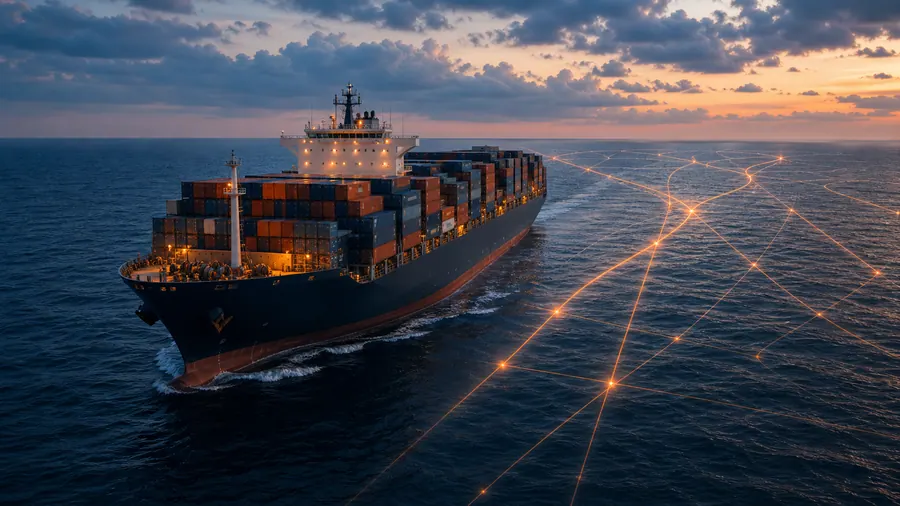
India to United States freight shipping.

We move ocean and air freight from India's major ports to US gateways. We ship pharmaceuticals, textiles, IT hardware, and more. Every shipment gets full US customs clearance and FDA compliance.

The Lane

One corridor, no carrier bias.

Suaid Global compares routing, mode, customs requirements and final delivery as one plan, so the quoted option is aligned to timing, documentation and landed cost.

Corridor at a glance
Ocean FCL
22–35 days
Ocean LCL
28–42 days
Air Freight
4–7 days
Origin gateways
JNPT / Nhava Sheva (Mumbai) · Port of Chennai · Mundra Port (Gujarat) · Kolkata Port
Destination gateways
Port of Los Angeles · Port of New York/New Jersey · Port of Houston
Top cargo
Pharmaceuticals & Generics · Textiles & Apparel · IT Hardware & Electronics · Chemicals · Jewelry & Gems · Agricultural Products
Transit Times

Mode by mode.

Use these as planning ranges. Door-to-door timing still depends on pickup, clearance, port dwell and final delivery.

ModeTransitBest fit
Ocean FCLIndia to United States22–35 daysFull container loads of textiles, chemicals, machinery, and bulk goodsQuote this mode
Ocean LCLIndia to United States28–42 daysSmaller commercial loads, consolidated cargo, trial shipmentsQuote this mode
Air FreightIndia to United States4–7 daysPharmaceuticals, IT hardware, high-value goods, and urgent cargoQuote this mode

Ranges are planning estimates from the corridor profile. Dated quotes confirm sailing, uplift, drayage and clearance assumptions.

Planning

Customs and landed-cost planning.

This corridor is not just a freight leg. Duties, agency reviews, document timing and mode selection all affect the real landed cost.

Ocean planning range22–35 days typical
Air planning range4–7 days typical
Quote modelAll-in routing review
Review verified U.S. HTS duty components
Reviewed Before Booking

What changes the plan

Customs requirementsShipments from India to the USA need an ISF (Importer Security Filing) 24 hours before departure. You'll also need a commercial invoice, packing list, bill of lading, and CBP Form 7501 for formal entries. Pharma products often need FDA Drug Registration and prior approval. Textiles may face quota rules or need textile paperwork. Jewelry and gems may need GIA certificates and import permits. Food items need FDA Prior Notice. Wooden packaging must also meet ISPM 15.
Tariff and duty treatmentIndia and the United States have no free trade agreement. So Indian goods pay MFN (Most Favored Nation) tariff rates under WTO schedules. The US once ran a Generalized System of Preferences (GSP) program that gave duty-free treatment to many Indian goods. That program was suspended in June 2019 and, as of 2025, has not returned. Textile and apparel goods pay MFN rates of about 10% to 32%. Finished pharmaceuticals mostly enter duty-free, at 0%. Retaliatory tariffs between the US and India have also hit some specific product categories.
Carrier-neutral routingOptions are compared by schedule, transshipment risk, customs exposure and final delivery, not by carrier preference.
Services

Services on this corridor.

Ocean Freight

FCL, LCL & global consolidation

Air Freight

Express, charter & consolidated

Customs Brokerage

Clearance & compliance

FAQ

India to United States, answered.

Planning answers from the corridor profile. A dated quote confirms the route, carrier and customs assumptions for your shipment.

Ocean freight from India to the USA takes 22–35 days. The exact time depends on your origin port and US gateway. JNPT (Mumbai) to New York via the Suez Canal usually takes 22–28 days. Chennai to Los Angeles takes 28–35 days. Air freight from major Indian airports to US cities takes just 4–7 days, door-to-door.
No. India and the United States do not have a free trade agreement right now. So goods pay MFN tariff rates. The US GSP (Generalized System of Preferences) program once let many Indian goods in duty-free, but it was suspended in 2019. Both sides have discussed limited trade framework deals, but no full FTA is in force yet.
India has four main container ports. JNPT/Nhava Sheva, near Mumbai, is the largest — it handles over 5 million TEU each year. Mundra Port, in Gujarat, is the largest private port. Chennai Port serves South India. Kolkata Port serves Eastern India. JNPT and Mundra run the most frequent direct services to US ports.
You'll need an ISF, filed 24 hours before departure, plus a commercial invoice, packing list, bill of lading, and CBP Form 7501. Some goods also need government certificates: FDA for pharma or food, textile paperwork for apparel, and GIA certificates for jewelry. Anti-dumping and countervailing duty cases may call for extra declarations too.
India supplies about 45% of all generic drugs sold in the USA. Pharma shipments need FDA establishment registration, proper GDP (Good Distribution Practice) temperature control, and an FDA Prior Notice filing. Drugs sensitive to temperature usually fly, packed in validated thermal boxes. Suaid Global handles pharma logistics start to finish, with full GDP-compliant care.
Indian textiles and apparel pay MFN tariff rates, which run from about 10% to 32% based on the exact HTS classification. Since the US suspended GSP in 2019, Indian apparel no longer gets duty-free treatment. An FTA between the US and India, if the two sides sign one, would cut these rates a lot.
The US GSP suspension in June 2019 ended duty-free treatment for about $5.6 billion worth of Indian goods each year. Products that once entered at 0% now pay MFN rates — usually 3–10% for factory goods, and more for textiles. So check your HTS classification and budget for these added duty costs when you source from India.
More questions in Support
Quote This Corridor

Send the lane. We'll shape the route.

Tell us the cargo, volume, Incoterm and timing. A coordinator replies with routing options and an all-in number.

Response within 1 business dayFrom a coordinator, not an autoresponder.
Ready to price a shipment?Skip the form — get a quote

Corridor pre-selected: India to United States · Handled by the operating team, not a call center.

Suaid Global

Independent freight orchestrator for global ocean, air, ground, customs and warehousing. Carrier-neutral routing, one accountable team, no carrier lock-in.

Ocean, air and ground — compared carrier-neutrally, quoted all-in, and coordinated door-to-door by one accountable team.

Suaid Global does not sell carrier capacity. Each lane is compared across ocean, air, inland, customs and warehousing partners, then coordinated through one operating owner from request to delivery.

Select Language