

Send the lane and cargo
Origin, destination, commodity, volume, Incoterm and the timing you are working to.
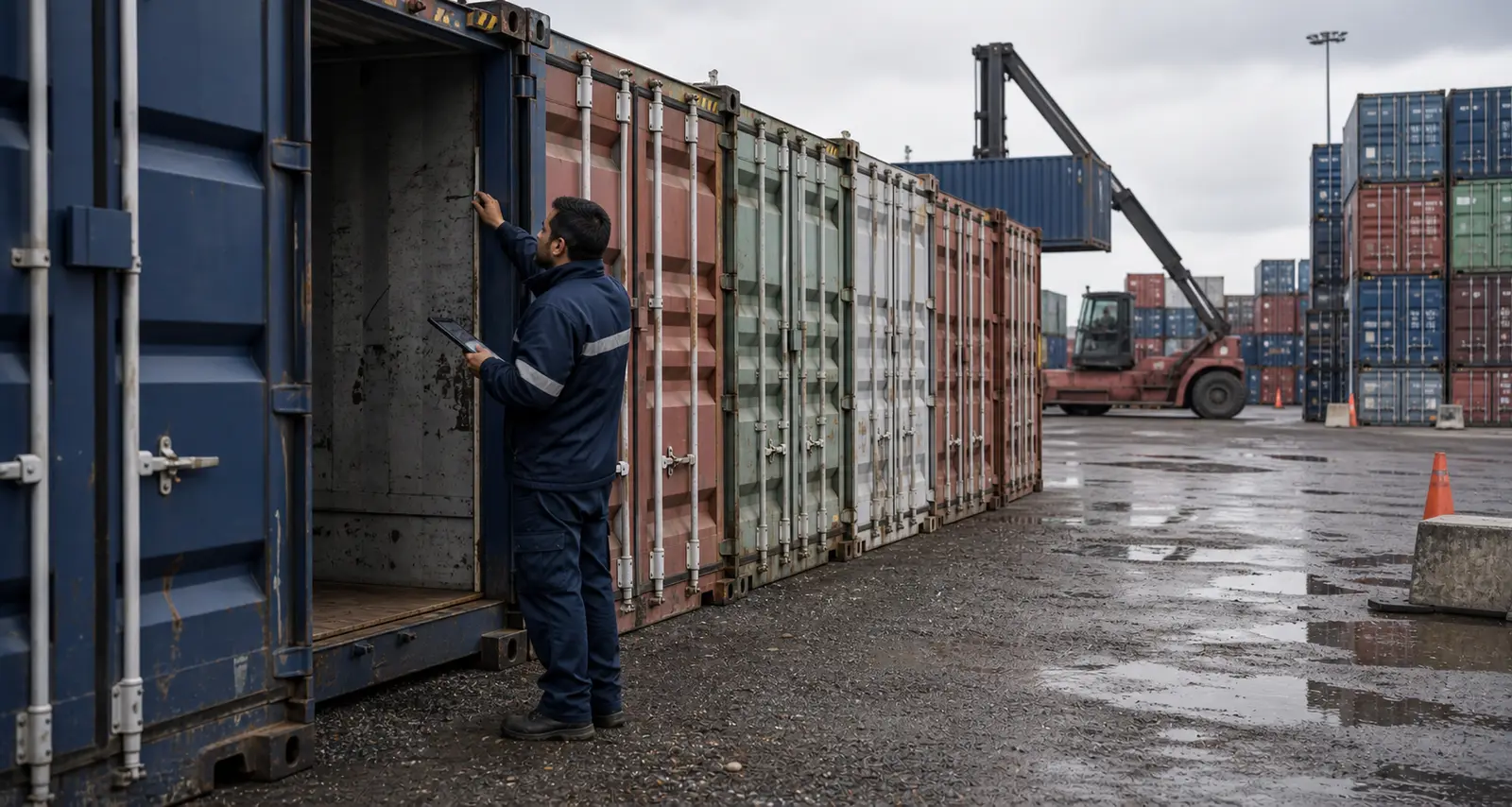
New, used, leased and specialized containers coordinated with freight needs, availability, drop-off constraints and route economics.
Container size, condition, ownership model and availability can change the freight plan. Equipment should be sourced with the lane, cargo and final use in mind.
A one-off project, storage need or recurring lane may each require a different equipment model. We compare availability, drop-off and total cost.
Container types guide
Reefer, open-top, flat rack and high-cube equipment can solve cargo constraints but may limit carrier or port options.
FCL rates guideA container solution is stronger when pickup, loading, drayage, customs and return or drop-off are planned together.
Ocean freight guide Buy Containers New or used equipment for storage, projects or owned fleet needs. Request purchase options
 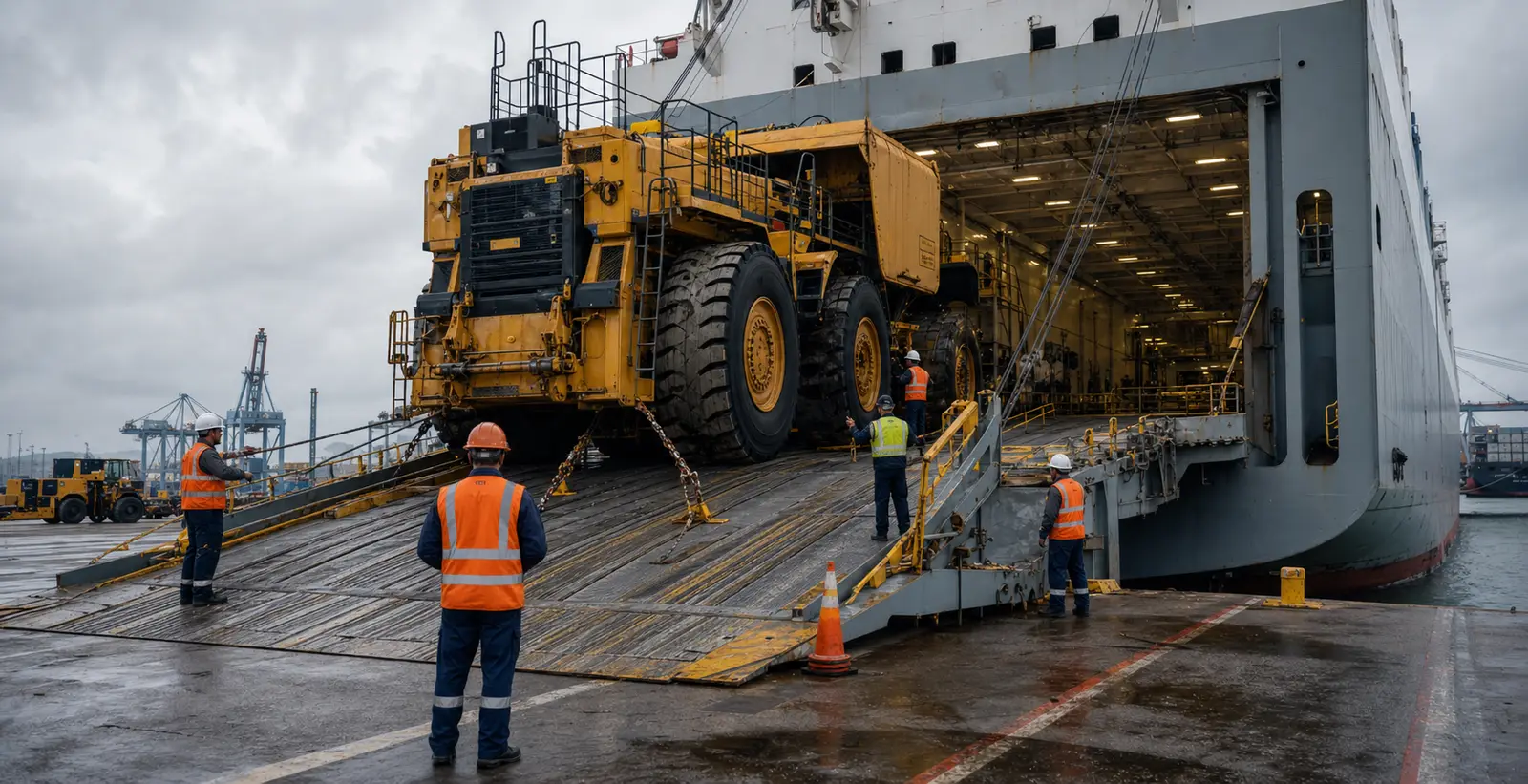 Special Equipment Reefer, open-top, flat rack and high-cube options for cargo that does not fit a standard box. Discuss equipment
 Options are compared on fit, cost and risk instead of a carrier's owned capacity.
A single coordinator keeps the shipment moving across parties and time zones.
Commercial documents, HS codes and handoff details are checked before they delay the move.
Size, payload, condition and cargo fit are reviewed before sourcing.
Location, pickup and return requirements are considered with the lane.
Special equipment availability is checked against route and port options.
Origin, destination, commodity, volume, Incoterm and the timing you are working to.
Container type, cargo fit, availability, pickup, drop-off and route constraints are compared before sourcing.
One all-in proposal with the trade-offs shown before anything is booked.
Equipment release, loading, movement, return or storage use stay connected to the freight plan.
The box is part of the route, not a separate purchase decision.
Not every load fits a standard dry box. Picking the right equipment early avoids a re-book and a missed sailing.
| Type | What it is | Use it when |
|---|---|---|
| Dry standard | Sealed steel box, 20' or 40' | General palletised or boxed cargo |
| High cube | One foot taller than standard | Light cargo that fills space before weight |
| Open top | Removable tarpaulin roof | Cargo loaded by crane from above |
| Flat rack | Deck with collapsible ends | Over-width or over-height machinery |
| Reefer | Insulated box with a power unit | Temperature-controlled food and pharma |
| Tank | Cylindrical tank in a frame | Bulk liquids and some chemicals |
Most wasted space comes from pallet math, not from the cargo itself. A short check before booking often saves a whole container.
Most shipments move in carrier-owned containers. On some lanes a shipper-owned box is the cheaper answer. Here is the plain difference.
Equipment is booked days before loading. These checks stop a re-book, which is the most common source of a missed sailing.
These come up whenever equipment is discussed. Knowing them shortens every booking call.
Sectors that rely on this product the most.
Calculate cubic meters from package dimensions. Multi-package support, container recommendations, and chargeable weight for air and ocean.
Estimate ocean (FCL/LCL), air freight, and express shipping costs by route, weight, and volume. Compare all modes side-by-side.
Browse the full catalog by family. Every line connects to the same operating thread and the same accountable coordinator.
Moving the freight itself: ocean, air and inland legs matched to cargo, timing and landed cost.
Storage, equipment and clearance kept in the same operating thread as the move.
Route strategy, cost modelling and protection before the booking is placed.
Guides written by the Suaid Global editorial team.
Talk to a real freight coordinator. Pick the channel that fits how fast you need an answer.
Share the route, cargo and timing so the quote can state its scope and exclusions.
Start a quoteUse WhatsApp for route questions, quote follow-up or shipment details.
Open WhatsAppInclude your shipment details and preferred contact information.
contact@suaidglobal.comIndependent freight orchestrator for global ocean, air, ground, customs and warehousing. Carrier-neutral routing, one accountable team, no carrier lock-in.
Freight forwarding for importers and exporters. Compare ocean, air and ground options, with clear costs and coordination from pickup to delivery.
Suaid Global compares transport and logistics partners for your shipment. One coordinator connects the agreed services from the first request to final delivery.