

Send the lane and cargo
Origin, destination, commodity, volume, Incoterm and the timing you are working to.
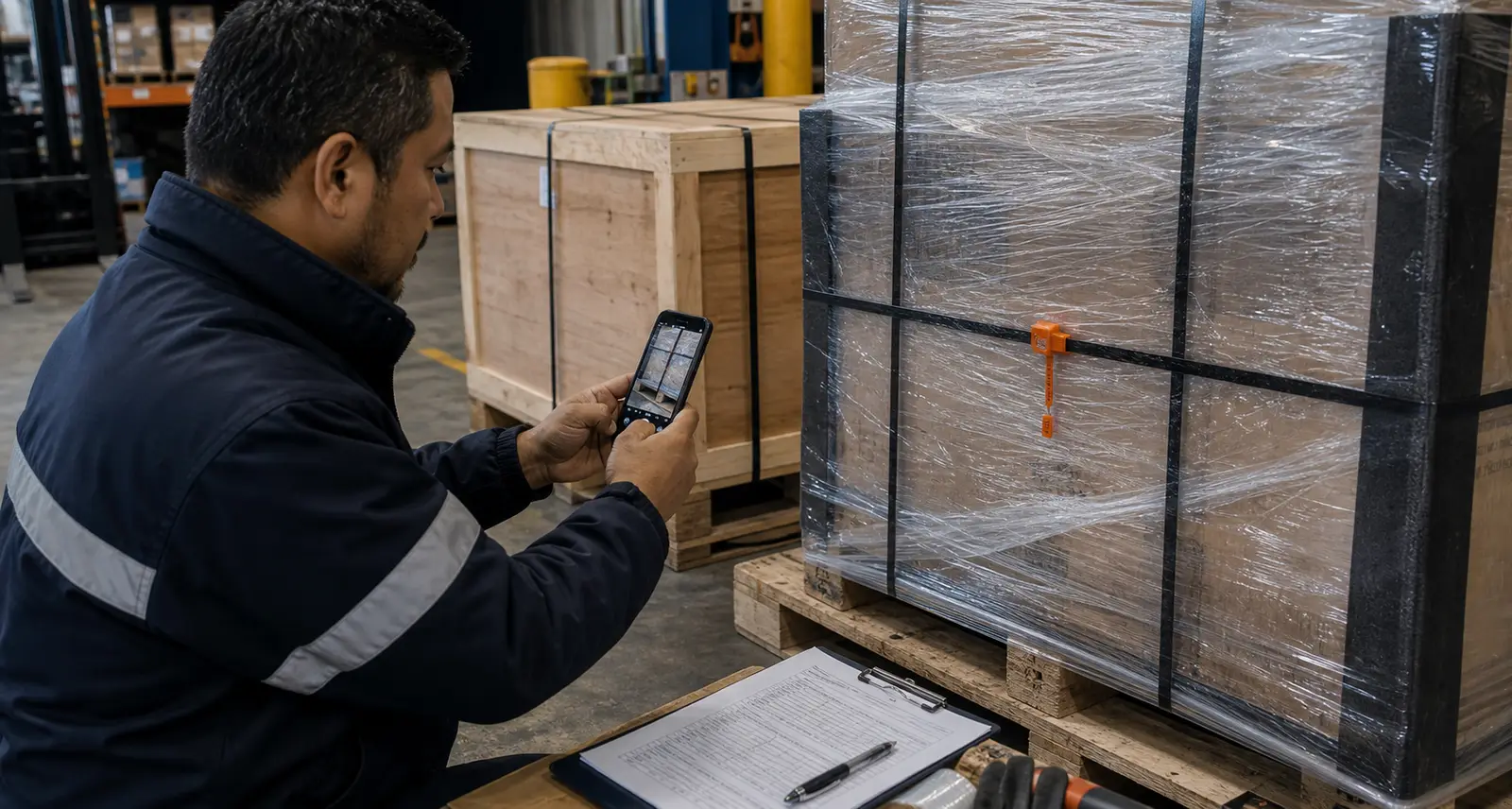
All-risk cargo protection options coordinated with ocean, air, ground and warehouse-to-warehouse movements so value exposure is considered before departure.
Standard liability can be limited by mode, weight, convention or carrier terms. Value Protect is reviewed around cargo value, route risk and claim requirements.
Ocean, air and ground carriers often limit exposure. The gap between invoice value and recoverable liability can be material.
Cargo insurance guide
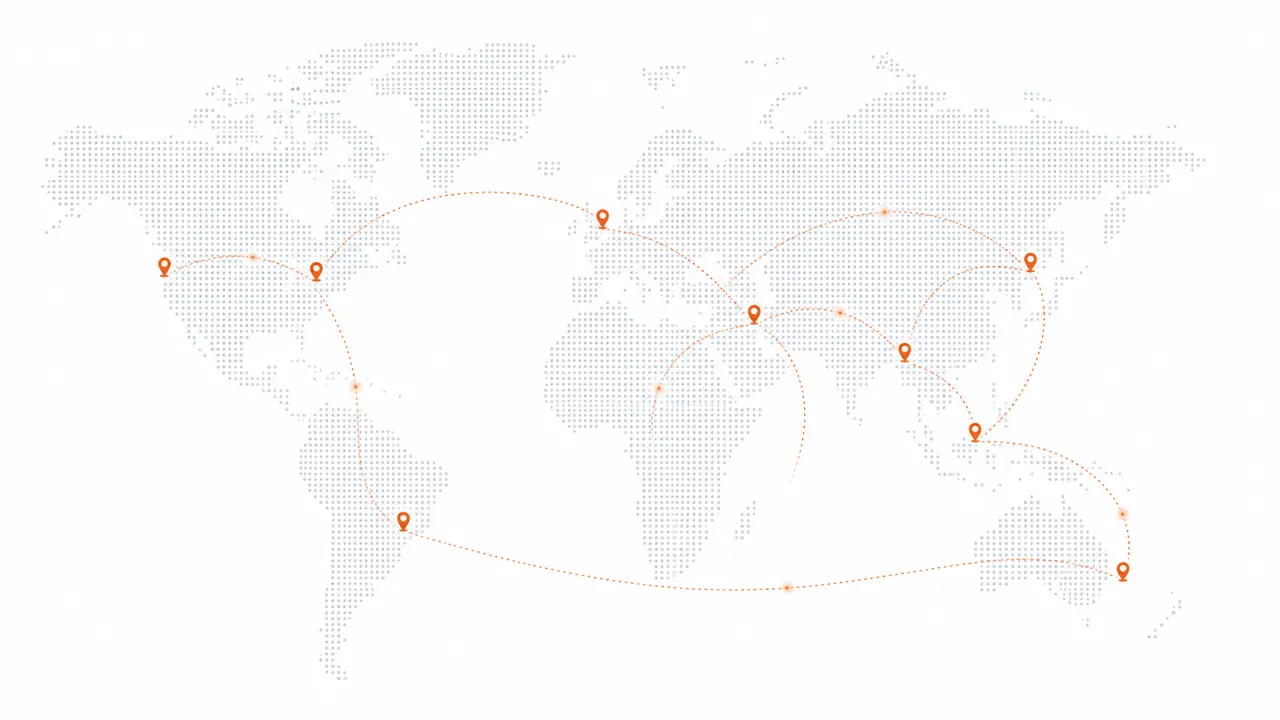
Transshipment, warehouse stops, inland delivery and cargo sensitivity change the risk profile. The coverage conversation should happen before the cargo moves.
Freight cost breakdownPhotos, packing quality, commercial documents, delivery notes and exception reporting all affect claim handling.
Bill of lading guide
 Claims Support Documentation and exception handling organized so a claim can be reviewed properly. Discuss claims
 Options are compared on fit, cost and risk instead of a carrier's owned capacity.
A single coordinator keeps the shipment moving across parties and time zones.
Commercial documents, HS codes and handoff details are checked before they delay the move.
Invoice value, mode and route risk are discussed before the shipment moves.
Packing, photos, condition notes and delivery records are part of claim readiness.
Storage, inland delivery and international legs are considered together.
Origin, destination, commodity, volume, Incoterm and the timing you are working to.
Cargo value, commodity, route, packaging, mode and coverage requirement are reviewed before departure.
One all-in proposal with the trade-offs shown before anything is booked.
Protection request, documents, shipment milestones and claim support stay tied to the freight file.
The question is not whether cargo is moving. It is how value exposure is handled.
Carrier liability is not insurance. It is capped by convention and often pays cents on the dollar. Cargo insurance covers the value you actually declare.
| Situation | Carrier liability alone | With cargo insurance |
|---|---|---|
| Cargo lost overboard | Capped by convention, per package or per kg | Insured value, subject to the policy terms |
| Water damage in transit | Often excluded as a sea peril | Covered under all-risk terms |
| General average declared | You still owe a contribution | Contribution handled by the policy |
| Theft in transit | Hard to prove against the carrier | Covered where the policy names it |
| Poor packing by shipper | Not covered | Not covered — packing is the shipper's duty |
| Inherent vice or normal wear | Not covered | Not covered by standard terms |
The market convention is simple, and getting it wrong is the most common reason a claim pays less than expected.
Claims fail on evidence far more often than on coverage. The first hour after delivery decides most outcomes.
Two policies with the same premium can behave very differently in a claim. These are the clauses to read first.
| Term | What it means | Why it matters |
|---|---|---|
| All risks (ICC A) | Broadest standard cover | Fewest arguments at claim time |
| ICC B / ICC C | Named perils only | Cheaper, but many events are simply not covered |
| Deductible | Amount you carry per claim | A low premium often hides a high deductible |
| Warehouse to warehouse | Cover runs door to door | Gaps appear when cover stops at the port |
| General average clause | Handles your contribution | Without it, you pay to release your own cargo |
| Sue and labour | Costs to limit a loss | Pays for the emergency steps you take |
Policy wording is dense on purpose. These five terms carry most of the meaning.
Sectors that rely on this product the most.
Estimate ocean (FCL/LCL), air freight, and express shipping costs by route, weight, and volume. Compare all modes side-by-side.
Calculate cubic meters from package dimensions. Multi-package support, container recommendations, and chargeable weight for air and ocean.
Browse the full catalog by family. Every line connects to the same operating thread and the same accountable coordinator.
Moving the freight itself: ocean, air and inland legs matched to cargo, timing and landed cost.
Storage, equipment and clearance kept in the same operating thread as the move.
Route strategy, cost modelling and protection before the booking is placed.
Guides written by the Suaid Global editorial team.
Talk to a real freight coordinator. Pick the channel that fits how fast you need an answer.
Share the route, cargo and timing so the quote can state its scope and exclusions.
Start a quoteUse WhatsApp for route questions, quote follow-up or shipment details.
Open WhatsAppInclude your shipment details and preferred contact information.
contact@suaidglobal.comIndependent freight orchestrator for global ocean, air, ground, customs and warehousing. Carrier-neutral routing, one accountable team, no carrier lock-in.
Freight forwarding for importers and exporters. Compare ocean, air and ground options, with clear costs and coordination from pickup to delivery.
Suaid Global compares transport and logistics partners for your shipment. One coordinator connects the agreed services from the first request to final delivery.
