

Send the lane and cargo
Origin, destination, commodity, volume, Incoterm and the timing you are working to.

Ocean, air, ground, customs and warehousing coordinated in one operating thread for importers, exporters and e-commerce teams that need the whole move handled end to end.
A freight forwarder should connect the lane, documents, clearance, inland legs and exceptions. Suaid Global coordinates those handoffs without locking the plan to one carrier or one mode.
International freight usually fails between parties: supplier, carrier, terminal, broker, warehouse and final-mile carrier. Suaid Global keeps those steps in one operating thread, so the shipment is managed as a chain instead of isolated bookings.
Read the forwarding guide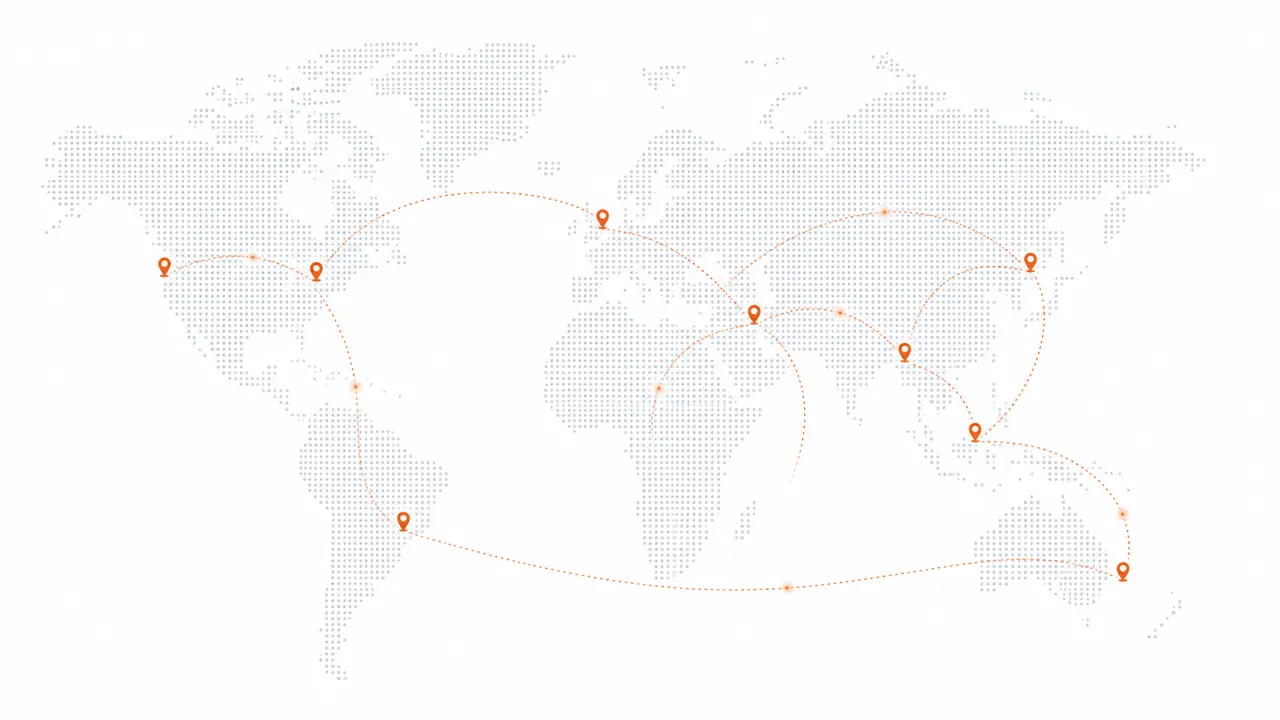
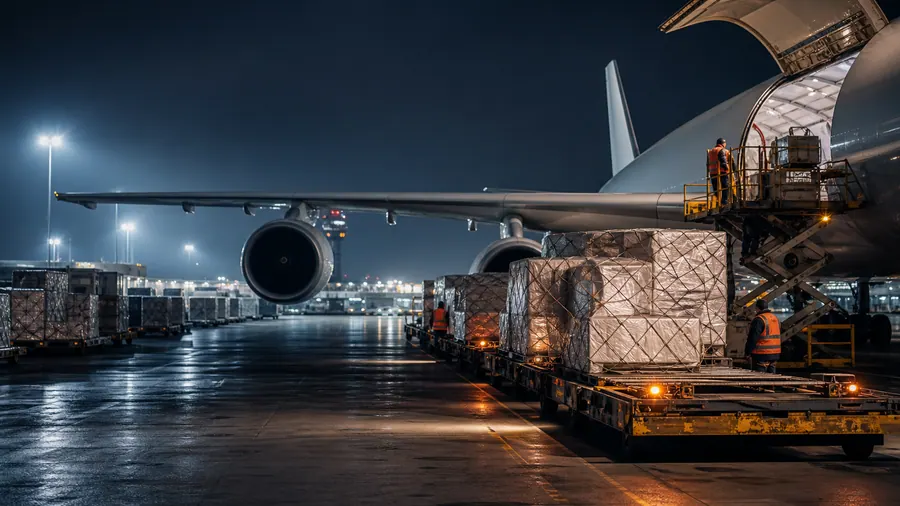
Ocean may win on cost, air may protect a launch date, and ground may decide whether the whole plan works. We compare the trade-offs around the shipment instead of forcing a default mode.
Compare freight costsA low freight rate is not a good plan if the cargo stalls at arrival. Commercial invoice, packing list, HS code, ISF and destination charges are reviewed before they become an exception.
Customs process guide


Options are compared on fit, cost and risk instead of a carrier's owned capacity.
A single coordinator keeps the shipment moving across parties and time zones.
Commercial documents, HS codes and handoff details are checked before they delay the move.
Local partner coverage supports origin and destination work without pretending one company owns every asset.
Ocean, air and ground are compared together when the shipment needs a blended answer.
Origin, freight, destination, clearance and inland costs are surfaced before approval.
Origin, destination, commodity, volume, Incoterm and the timing you are working to.
Ocean, air, ground, customs and warehousing options are compared on cost, timing, risk and service fit.
One all-in proposal with the trade-offs shown before anything is booked.
Pickup, booking, documents, clearance, warehouse and delivery stay in one accountable thread.
Use this when the shipment needs more than a single carrier booking.
These three roles are often confused, and the confusion is expensive. Knowing who is responsible for what tells you who to call when something stops.
| Role | What they do | What they do not do |
|---|---|---|
| Freight forwarder | Books space, coordinates the whole door-to-door move, issues the house bill of lading | Does not usually own the vessel or aircraft |
| Carrier | Operates the ship, plane, or truck and issues the master bill | Does not manage your paperwork or inland legs |
| Customs broker | Files the entry and advises on classification and duty | Does not book or move the freight |
| Consolidator (NVOCC) | Combines many shippers' cargo into one container | Does not clear customs for you |
A shipment stops when a document is missing, not when a truck is missing. This is the core set for most international moves.
Comparing quotes line by line is not enough. These questions separate offers that look identical on paper.
Good forwarding is mostly good information, early. This is the set that prevents most exceptions.
Four terms explain most of the confusion in day-to-day forwarding.
Estimate ocean (FCL/LCL), air freight, and express shipping costs by route, weight, and volume. Compare all modes side-by-side.
Calculate cubic meters from package dimensions. Multi-package support, container recommendations, and chargeable weight for air and ocean.
Estimate door-to-door shipping times for any route. Compare ocean, air, and express with detailed timeline breakdowns.
Estimate audited U.S. HTS duty components for a selected product record. Other destinations and product lines require specialist verification.
Browse the full catalog by family. Every line connects to the same operating thread and the same accountable coordinator.
Moving the freight itself: ocean, air and inland legs matched to cargo, timing and landed cost.
Storage, equipment and clearance kept in the same operating thread as the move.
Route strategy, cost modelling and protection before the booking is placed.
Guides written by the Suaid Global editorial team.
Talk to a real freight coordinator. Pick the channel that fits how fast you need an answer.
Share the route, cargo and timing so the quote can state its scope and exclusions.
Start a quoteUse WhatsApp for route questions, quote follow-up or shipment details.
Open WhatsAppInclude your shipment details and preferred contact information.
contact@suaidglobal.comIndependent freight orchestrator for global ocean, air, ground, customs and warehousing. Carrier-neutral routing, one accountable team, no carrier lock-in.
Freight forwarding for importers and exporters. Compare ocean, air and ground options, with clear costs and coordination from pickup to delivery.
Suaid Global compares transport and logistics partners for your shipment. One coordinator connects the agreed services from the first request to final delivery.