
International Shipping Costs 2026: Complete Rate Guide
Summary: International shipping in 2026 costs about $30–$180 per CBM by ocean LCL, $1,200–$7,500 per container by FCL and $2.50–$6.00 per kg by standard air freight. This guide breaks down real 2026 prices by mode and lane, so you can budget, compare options and get better rates.
Price references: September 2026

How Much Does International Shipping Cost in 2026?
In 2026, the cost of shipping goods runs from as low as $0.03 per kg for ocean freight, up to over $8.00 per kg for express air cargo. Your mode of transport is the top factor in your total cost. Next come your origin-destination pair, cargo weight and size, and how demand shifts by season.
Here's a quick snapshot of average international shipping costs by mode in 2026:
Rates swung wildly from 2020-2023. Ocean container rates spiked above $15,000, and air freight topped $12/kg on key routes. Since then, the market has calmed down a lot. Still, 2026 rates sit 15-25% above pre-pandemic levels. Why? Red Sea diversions, green compliance costs (EU ETS, IMO CII), and steady growth in e-commerce demand.
The key to lower shipping costs isn't just chasing the cheapest rate. It's picking the right mode for your cargo type, timing, and budget. A load that looks pricey by air might actually save you money. Factor in less warehousing time, faster cash flow, and lower stock-holding costs.
| Transport Mode | Cost Range | Unit | Best For |
|---|---|---|---|
| Ocean FCL (Full Container) | $1,200 – $7,500 | Per container | Large shipments, 14+ CBM |
| Ocean LCL (Less than Container) | $30 – $180 | Per CBM | Small shipments, 1-14 CBM |
| Air Freight (Standard) | $2.50 – $6.00 | Per kg | Time-sensitive, high-value goods |
| Air Freight (Express) | $5.00 – $8.50 | Per kg | Urgent, door-to-door delivery |
| Ground (FTL Cross-Border) | $1,800 – $5,500 | Per truck | USMCA trade, full truckload |
| Ground (LTL Cross-Border) | $0.15 – $0.45 | Per kg | Partial loads, regional trade |
| Multimodal (Ocean + Truck) | $1,500 – $8,000 | Per shipment | Cost + speed balance |
Ocean Freight Costs: The Most Affordable Option for Volume
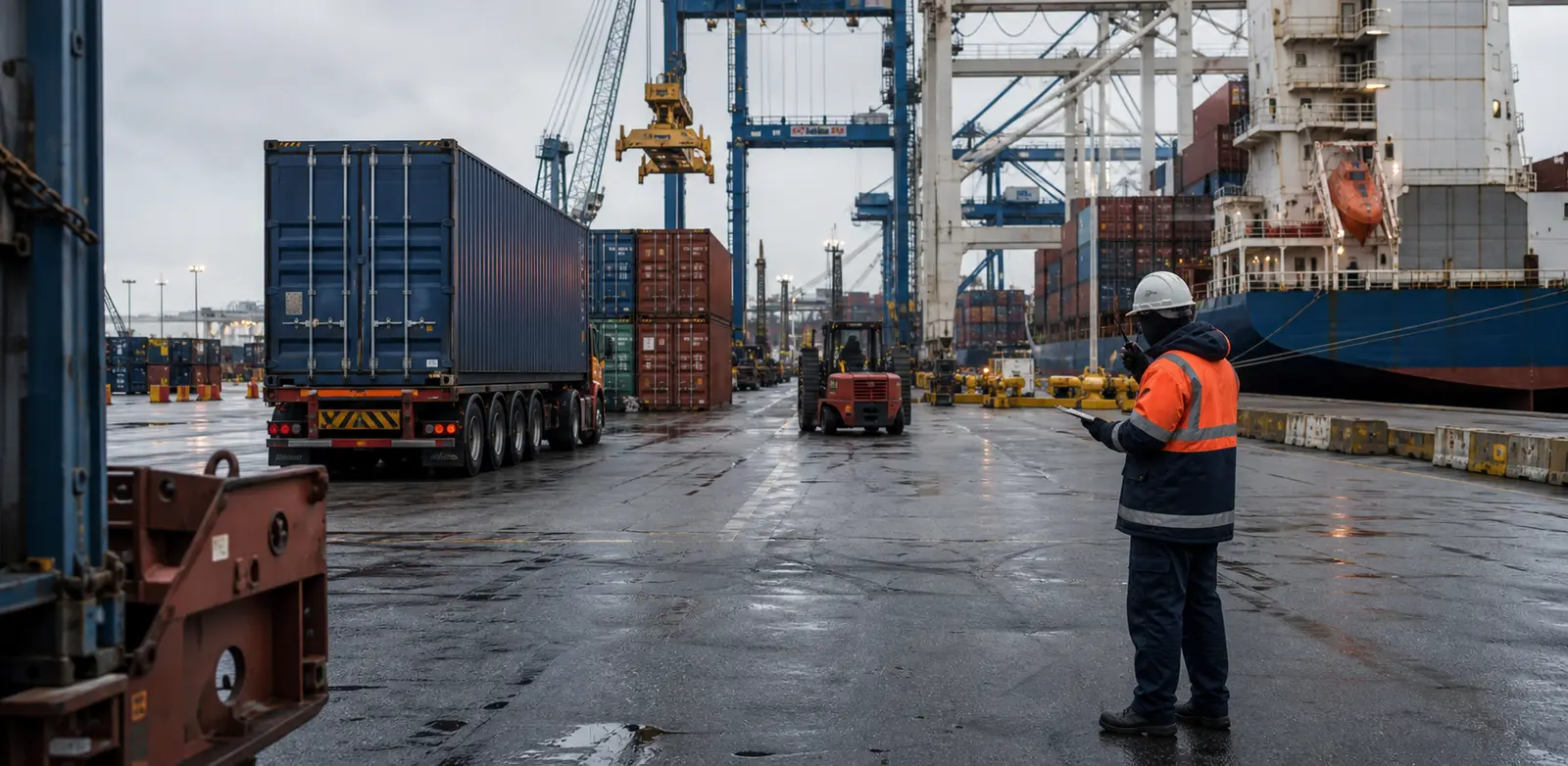
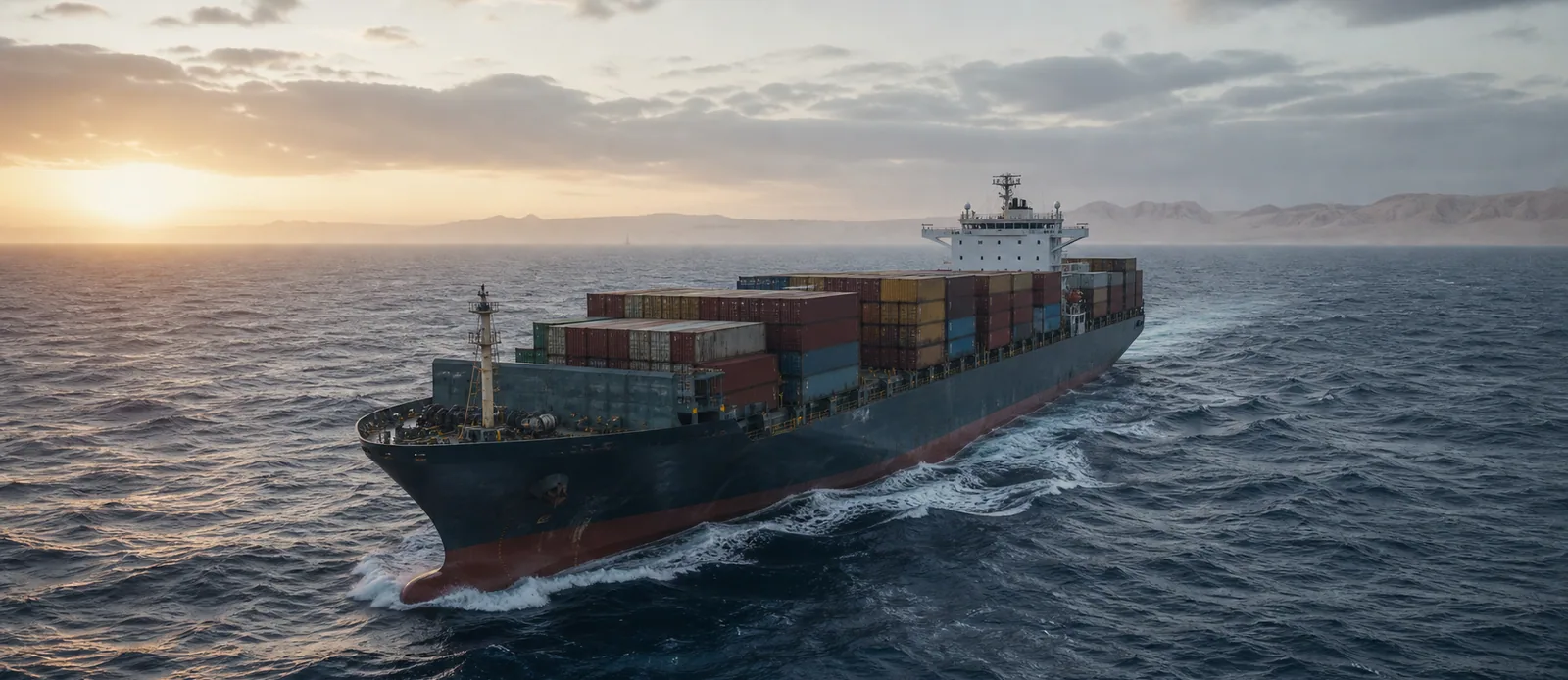
Ocean freight is still the cheapest way to ship goods around the world. It carries over 80% of global trade by volume. In 2026, ocean freight rates have leveled out. But they still shift with Red Sea trouble, carrier alliance changes, and growing green fees.
For full container loads (FCL), cost mainly depends on the trade lane and box size. On September 10, 2026, Drewry WCI assessed a 40ft box at US$7,352 from Shanghai to Los Angeles and US$9,726 to New York. Why more to the East? Longer transit, plus Panama Canal fees. In the table below, the China 40ft and LCL cells repeat our price guides; the other cells are planning ranges. For full FCL pricing, see our FCL container rates guide.
For smaller loads, LCL (Less than Container Load) lets you share box space and pay per cubic meter. Published early-2026 LCL base freight from China runs USD 45–160 per CBM to the US West Coast and USD 65–180 to the East Coast. Most carriers set a 1 CBM minimum charge. Check our LCL rate guide for prices by route.
| Route | 20ft FCL | 40ft FCL | LCL (per CBM) |
|---|---|---|---|
| China → US West CoastQuote this route | $4,400 – $5,200 | $7,352 | $45 – $160 |
| China → US East CoastQuote this route | $5,800 – $6,800 | $9,726 | $65 – $180 |
| Southeast Asia → USA | $1,300 – $2,600 | $2,200 – $4,300 | $90 – $170 |
| India → USAQuote this route | $2,000 – $3,500 | $3,000 – $5,500 | $85 – $160 |
| Europe → USA | $1,200 – $2,100 | $2,200 – $4,200 | $65 – $140 |
| Brazil → USA (Miami)Quote this route | $1,400 – $2,200 | $2,500 – $4,200 | $40 – $70 |
| Mexico → USAQuote this route | $1,200 – $2,200 | $1,800 – $3,500 | $30 – $55 |
Air Freight Costs: When Speed Justifies the Premium
Air freight costs 4-8x more than ocean per kilogram. But it moves in 3-7 days, not 20-45. In 2026, air freight rates average $2.50-$6.00/kg for standard cargo and $5.00-$8.50/kg for express. The price uses actual weight or volume weight (L x W x H / 6,000 in cm) — whichever is more.
Air freight makes sense in a few cases. Your goods are high-value (over $10/kg). Or they're time-sensitive — think fresh food, fashion, or new electronics. Or ocean transit would force you to hold costly safety stock. For a full comparison, see our air freight vs ocean freight 2026 analysis.
Past the base rate, other fees add up fast. These include fuel surcharge (FSC, often $0.30-$0.80/kg), security fee ($0.03-$0.05/kg), terminal handling ($0.10-$0.25/kg), and customs clearance. Many shippers underrate these add-ons. Together, they can push your total cost up by 20-35%.
| Route | Standard Air (per kg) | Express Air (per kg) | Transit Time |
|---|---|---|---|
| China → USAQuote this route | $6.30 (Freightos, week before 2026-09-08) | $6.00 – $8.50 | 3-5 days |
| India → USAQuote this route | $3.00 – $5.00 | $5.50 – $8.00 | 3-5 days |
| Europe → USA | $2.50 – $4.50 | $5.00 – $7.50 | 2-4 days |
| Brazil → USAQuote this route | $2.80 – $4.80 | $5.50 – $7.50 | 2-3 days |
| Southeast Asia → USA | $3.50 – $5.50 | $6.00 – $8.50 | 4-6 days |
| Japan/Korea → USA | $3.00 – $5.00 | $5.50 – $7.50 | 2-4 days |
| Intra-Americas | $2.00 – $3.50 | $4.50 – $6.50 | 1-3 days |
Ground Transport Costs: Cross-Border Trucking & Drayage
Ground transport is key for North American trade, most of all under the USMCA deal. In 2026, cross-border trucking between the US, Mexico, and Canada moves over $1.3 trillion in trade each year. This makes it the fastest-growing part of global shipping.
Full truckload (FTL) rates from Mexico to the US average $1,800-$5,500. The price shifts based on your route and on whether you need special gear (reefer, flatbed, oversize). Less-than-truckload (LTL) rates run $0.15-$0.45/kg for partial loads.
Don't forget drayage costs. This is the short truck move from a port or rail yard to a warehouse. In 2026, drayage at major US ports averages $350-$800 per box for a standard move within 50 miles. Port jams, chassis supply, and detention or demurrage fees can push these costs up a lot.
| Route | FTL Rate | LTL (per kg) | Transit Time |
|---|---|---|---|
| Mexico (Monterrey) → Texas | $1,800 – $2,800 | $0.15 – $0.25 | 1-2 days |
| Mexico (Mexico City) → ChicagoQuote this route | $3,500 – $5,500 | $0.25 – $0.40 | 3-5 days |
| Canada (Toronto) → New YorkQuote this route | $1,500 – $2,500 | $0.15 – $0.25 | 1-2 days |
| Canada (Vancouver) → SeattleQuote this route | $1,200 – $2,000 | $0.12 – $0.20 | 1 day |
| US Port Drayage (50 mi) | $350 – $800 | Per container | Same day |
| US Port Drayage (100 mi) | $600 – $1,200 | Per container | Same day |
Hidden Costs That Inflate Your Shipping Budget
The base freight rate is just the start. Experts know that 20-40% of your total landed cost comes from extra fees. These fees don't show up in the first quote. You need to know them to budget right.
Here are the most common additional costs that catch importers off guard:
- Customs Duties & Tariffs — US import duties run from 0% to over 25%. It depends on the product and the origin country. In 2026, rules include Section 301 tariffs on Chinese goods (7.5-100%, plus a 12.5% forced-labor duty since July 2026), steel and aluminum tariffs (50%), and new de minimis changes that end duty-free status for small China packages. Use our Tariff Simulator to check your duty cost. This duty applies only to covered HTS provisions; product exemptions must be checked.
- Customs Brokerage Fees — A licensed customs broker often charges $125-$350 per entry for a standard clearance. Complex entries — FDA, EPA, or CPSC goods — run $200-$500 or more. Most business imports must pay this fee.
- Insurance (Cargo Coverage) — Cargo insurance costs 0.3-0.8% of your cargo value for standard ocean loads, and 0.2-0.5% for air freight. It's optional on paper. But carrier payout caps at $500 per box (ocean) or $20/kg (air). That makes insurance a must for goods worth more.
- Demurrage & Detention — You get free time to pick up your box — often 3-5 days at port, 4-7 days to return gear. Miss that window, and demurrage fees of $150-$450/day kick in. These costs climb fast. A slow customs clearance can add $1,000 or more to one shipment.
- Documentation & Compliance — Add up bill of lading fees ($50-$100), AMS filing ($25-$35), ISF bond ($50-$75), and other paper fees. Together, they add $150-$400 per shipment. See our customs documents checklist for the full list.
- Fuel & Environmental Surcharges — Bunker Adjustment Factor (BAF), Low Sulphur Surcharge (LSS), and the new EU ETS carbon fee add 10-20% on top of base ocean rates. Air fuel fees add $0.30-$0.80/kg on top. These shift each month, and quotes often leave them out.
How to Compare International Shipping Costs Accurately
Comparing shipping quotes takes more than a look at the base rate. Two quotes with the same freight fee can still differ by 30-50% in total landed cost. Here's a simple way to compare quotes fairly:
- 1. Calculate Total Landed Cost, Not Just Freight — Total landed cost = freight + customs duties + insurance + brokerage + drayage + storage + paperwork fees. Use Incoterms to see just what each quote covers. An FOB quote looks cheap, but it skips freight. A DDP quote covers it all.
- 2. Normalize to Per-Unit Cost — Work out your shipping cost per unit. This shows the real hit to your margins. A $5,000 box that ships 2,000 units costs $2.50 per unit. The same goods sent by air at $4/kg might cost $8 per unit — but they land 30 days sooner.
- 3. Factor in Time Value — Faster shipping means faster sales, and lower stock costs. Say your product sells for $50/unit at a 30% margin. Getting stock 30 days sooner earns $15/unit per month in gross profit. Sometimes, air freight pays for itself.
- 4. Check Surcharge Inclusions — Ask a clear question: are BAF, LSS, THC, peak season fees, and equipment fees included, or extra? The cheapest quote often hides the most add-ons. They show up later on your final bill.
- 5. Verify Transit Times and Routing — A lower rate can mean stops at several ports along the way. That adds 5-10 days, and raises the risk of cargo damage. A direct route costs more, but cuts both transit time and damage risk. Use our Transit Time Calculator to compare routes.
7 Strategies to Reduce International Shipping Costs
We've helped hundreds of importers cut their logistics spend. Here are the top ways to save on cost:
- Consolidate Shipments — Combine several purchase orders into fewer, bigger loads. Switch from 4 LCL loads to 1 FCL per month, and cut per-unit freight by 35-50%. A freight consolidation strategy also cuts handling, paperwork, and customs costs.
- Negotiate Volume Contracts — Ship 3 or more boxes a month? Then set up a 6-12 month deal with a carrier or forwarder. In 2026, contract rates run 15-30% below spot rates on major lanes. Even 1-2 boxes a month gives you room to push for better rates.
- Optimize Packaging and Loading — Use our CBM Calculator to make full use of your box space. Better packing that lifts load density from 65% to 85% cuts your per-unit freight by 23% — with no rate change at all.
- Choose the Right Incoterms — Buy FOB instead of CIF, and you take control of the freight booking and insurance. This often saves 10-15% versus a supplier-run setup. It also lets you merge loads from many suppliers.
- Time Your Shipments Strategically — Skip peak season — August-October for ocean, November-December for air. Rates jump 20-40% then. Ship in Q1 or early Q2 instead. You'll often find the lowest rates and the best gear on hand.
- Consider Multimodal Options — Sea-air moves goods by sea to a hub, like Dubai or Singapore, then flies them the rest of the way. This can run 40% cheaper than full air freight, and cuts 15-20 days off pure ocean transit. Sea-rail (China to Europe via the Trans-Siberian or the China-Europe Railway Express) offers an 18-22 day transit, at just 50-60% of air freight cost.
- Work with a Freight Forwarder — A good freight forwarder gets you volume-priced rates, smart routing, and consolidation options. Solo shippers can't get these on their own. The best forwarders save clients 15-25% versus booking direct with carriers.
Real-World Example: Total Cost Breakdown for a China-to-USA Shipment
Let's walk through a real example. It shows how total shipping costs stack up. Here's the setup: a US retailer imports 500 cartons of consumer electronics from Shenzhen, China, to a warehouse in Miami. Total cargo: 32 CBM, 8,200 kg, declared value $85,000.
| Cost Component | Ocean (40ft FCL) | Air Freight | Notes |
|---|---|---|---|
| Base Freight | $4,800 | $28,700 | Ocean: Shenzhen–Miami. Air: $3.50/kg |
| Fuel Surcharge | Included | $2,460 | Air FSC at $0.30/kg |
| Origin Charges | $380 | $450 | THC, documentation, pickup |
| Customs Brokerage | $225 | $225 | Standard HTS entry |
| US Customs Duties | $5,950 | $5,950 | 7% average duty rate |
| Cargo Insurance | $340 | $255 | 0.4% ocean / 0.3% air |
| Drayage to Warehouse | $550 | $280 | Port/airport to Miami warehouse |
| Documentation Fees | $185 | $135 | BL, AMS, ISF / AWB, AMS |
| Total Landed Cost | $12,430 | $38,455 | |
| Cost per Carton | $24.86 | $76.91 | 500 cartons |
| Transit Time | 28-32 days | 4-5 days | Door to door |
International Shipping Cost Trends: What to Expect in Late 2026
Knowing where rates are headed helps you time your buys, and lock in good contract rates. Here's our outlook for the rest of 2026:
Ocean freight rates should stay stable through Q2-Q3 2026. Expect a mild peak-season rise of 10-15% in August-October. The Red Sea issue still limits real capacity on Asia-Europe routes, and that keeps a floor under rates. New ships due in 2026-2027 (3.2 million TEU on order) will slowly ease this tight capacity. That could push rates down 5-10% in 2027.
Air freight rates will stay high. Why? Strong e-commerce demand, and tight belly cargo space on passenger flights. Cross-border e-commerce keeps growing, most of all from China under the changing de minimis rules. This is shifting some volume from air to ocean, which could ease air rates by Q4 2026.
Ground transport costs in North America should rise by 3-5%. Drivers stay in short supply, emission rules keep getting stricter, and nearshoring volumes from Mexico keep growing. USMCA rules still add extra complexity to cross-border trucking.
Frequently Asked Questions
Sources & references
- Drewry — World Container Index (ocean spot-rate benchmark) — Reporting unit stated by the index: USD per 40ft container. It publishes no LCL rate per cubic metre. Checked 17 September 2026.
- Freightos Baltic Index (FBX) — global container freight pricing — The index measures 40ft container prices; it publishes no LCL rate per cubic metre. Checked 17 September 2026.
- Xeneta — ocean & air freight rate analytics — Container and air-cargo rate analytics. It is not the source of the per-cubic-metre figures on this page.
Explore more on these topics
Related Topics & Categories
Compare international shipping on total landed cost
The lowest freight line is not always the lowest business cost. Compare the whole chain instead. That means origin handling, international transport, insurance, customs, destination handling and delivery. Then add what the transit time does to your stock. Count the cost of holding inventory and the risk of a stockout.
Use the same cargo facts, Incoterm, service boundary and delivery need for every option. Air can earn its premium for urgent or high-value cargo. LCL or FCL can win for planned restocking. A dated quote confirms the current route and the charge scope.
- Freight and local handling at both ends
- Duty, tax, brokerage and regulatory work
- Transit time swings and inventory exposure
- Delivery, extra fees and exception costs