
28% Cost Reduction — LCL Consolidation.
How a growing Brazilian fashion brand optimized their US-bound shipments and cut logistics costs by nearly a third.
The Challenge
A mid-size fashion brand based in São Paulo was shipping 30–50 CBM monthly to distribution centers across the US East Coast. The volume was steady. It just never matched the size of a full container. The brand still booked FCL, so it paid full container rates for boxes that ran only 60–70% full. Freight was billed as if the container went out full every time.
The math worked against them. FCL is priced by the box, not by the cubic meter, so a half-empty container costs close to what a full one costs. Apparel makes that gap wider. Clothing is light and bulky, so a box fills up on space long before it hits its weight limit. That is the core FCL versus LCL trade-off, and every sailing carried empty space they had paid for.
The obvious fix was to wait and fill the box. That option cost them in a different way. Fashion runs on a season calendar, and a late drop can miss the window it was made for. Holding finished goods in Brazil to chase a cheaper rate put sales at risk to save on freight. A cheaper rate is a poor trade if the goods land after the season opens.
Transit times were also uneven, and uneven transit forces a buffer. The brand held extra safety stock at its US sites to cover the gap between a fast sailing and a slow one. That stock tied up cash the business needed elsewhere. The freight bill was the visible problem. The stock it created was the costly one.
Their previous forwarder offered no view into shared-container options, so the brand had no way to compare. Customs added a second risk. Duty on clothing turns on the fabric, on knit or woven build, and on the type of garment. Those codes shift style by style. A brand that ships many styles a season needs them settled before cargo moves, not after it lands.
The Solution
Suaid Global implemented a tailored LCL consolidation program, grouping the brand's shipments with compatible cargo on the Santos → Miami lane. The design started from the shape of the cargo, not from a rate sheet. The change was to the pricing model, not only to the rate. Shared containers let several shippers move on one sailing, and each pays for the room it uses.
LCL changes what the brand pays for. Shared ocean freight is billed per cubic meter or per 1,000 kg, whichever is greater. Freight desks call that billing unit a revenue ton. Clothing is light, so the space used sets the price. A lighter month now bills as a lighter month, which a flat box rate could never do.
The lane choice followed the brand's own map. Santos is their home port for exports. Miami feeds the East Coast sites they already ran. Keeping the freight on one weekly lane also keeps the handling steady, which makes each shipment easier to plan. A repeat lane also gives the brand a transit figure it can plan against.
Weekly cut-offs were aligned with their production cycles. Goods leave when the factory finishes them, not when a box finally fills. The season calendar drives the booking now. Freight cost no longer decides when a collection ships. Production sets the ship date, not the container.
The program adds milestone tracking from pickup in Brazil to final delivery in the US. Entries are filed by licensed customs broker partners, and codes are checked before departure. Checking codes early is what keeps a clothing entry moving, since textiles draw close attention at the border. Paperwork should not be the reason a shipment waits. A single point of contact, with support in Portuguese, keeps the cut-offs, the codes and the delivery dates in one conversation.
Services Used
How the Program Went Live
Rollout started with a look at the brand's recent shipping history. The review covered monthly volume, the space each style takes up, the packing in use, and the mix of US delivery points. That baseline is what the later cost gain is measured against. It was built before the first shared booking moved. Nothing was counted as a saving until that starting point was clear.
Paperwork came next. Invoice, packing list and bill of lading data were set to one format, so every booking shows the same fields. One format means fewer questions at the border and fewer rounds of email before a booking closes. Licensed customs broker partners reviewed the HTS codes for the brand's styles before the first sailing. The Importer Security Filing goes in before the vessel loads, as US ocean imports require.
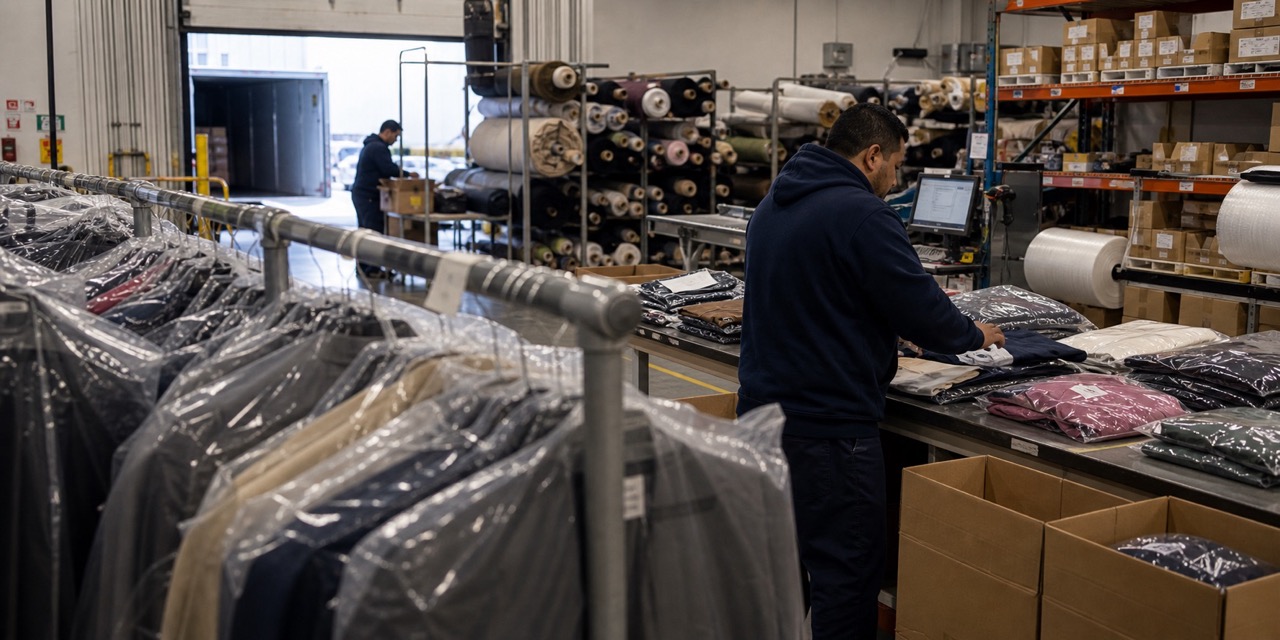
The origin routine then settled into a weekly rhythm. Cargo is booked into that week's window and sent to the container freight station, or CFS. There it is loaded into a box with cargo from other shippers. Shared freight is handled more times than a sealed full box, so packing rules were agreed up front. Cartons are palletized, wrapped, marked and stacked to travel next to other people's goods.
At the US end the box is opened at the destination CFS and the brand's cargo is split from the rest of the load. Drayage partners move it onward. Each receiving site takes it against its own booking slot. Handover points between sea, road and site are agreed before the box lands. Both legs are planned as one job, so the brand works from one plan instead of chasing three vendors.
Every shipment reports against fixed milestones: pickup, CFS receipt, sailing, arrival, clearance and delivery. The brand uses those checkpoints to plan receiving, not just to watch cargo. Cut-off dates are shared ahead of each window, so the factory and the freight run on one calendar. Peak weeks stay the exception, and they are handled as a separate, faster booking rather than by breaking the weekly cycle. Missing a cut-off moves a shipment to the next window, so a slip costs a week, not a container.
The Results
The cost line moved first. Paying for the cubic meters used, instead of for a whole box, took the empty space out of every invoice. Costs fell 28% against the previous FCL approach. The brand saved over $14,000 in the first quarter alone. The gain scales with the cargo, so a light month now bills as one.
Transit settled at an average of 12 days on the Santos → Miami lane. The steadiness mattered more than the number. A tighter arrival window let the brand cut safety stock by 15%. That freed up cash the business had parked as buffer stock. Faster freight trims one shipment, while steady freight trims the whole stock position.
The brand recorded no customs holds in the first twelve months. That record follows from the work done up front. Invoice data is consistent, codes are checked by licensed customs broker partners before departure, and filings go in on time. No forwarder can promise a clean entry, because customs officers decide who gets inspected. Good paperwork only shifts the odds.
The program still runs on the same weekly cadence. It has since grown to include air freight for seasonal rush orders. The brand keeps ocean pricing for planned volume and pays for speed only when a drop demands it. Ocean carries the plan, and air covers the exception. The shipping method now follows the calendar instead of setting it.
Ready to Optimize Your Shipping Costs?
Get a custom logistics assessment and see how much you could save with our consolidation services.