
Margins Protected — Post-De Minimis Strategy.
When the US suspended the $800 de minimis exemption (for Chinese goods on May 2, 2025, and for all countries on August 29, 2025), thousands of e-commerce brands faced a logistics crisis. Here's how one DTC brand adapted — and came out ahead.
The Challenge
A direct-to-consumer home goods brand was importing 500+ SKUs from China. Every order left as an individual parcel, valued under the $800 de minimis threshold, which skipped duties and formal customs entry. The US suspended de minimis for Chinese goods on May 2, 2025 and for all countries on August 29, 2025; changes effective February 24, 2026 continued that suspension. From then on, every shipment needed its own customs entry (for this brand, a formal entry), with HTS classification, country of origin verification, and full duty payment. The mechanics are covered in our guide to the end of de minimis.
The change hit the cost model, not just one line on an invoice. Under de minimis, a parcel moved on a simple manifest. A formal entry asks for much more. It needs an importer of record, a customs bond, a commercial invoice, a packing list, and a tariff code for every line of goods. Filing that for every parcel is a different business than shipping parcels.
Cost per entry was the trap. Customs charges are set per entry, not per unit. The Merchandise Processing Fee has a floor and a ceiling for each filing, and broker fees follow the same logic. One bulk entry carries that cost once, while parcel entries repeat it on every parcel. At parcel scale, the fixed part of clearance grows faster than the shipment itself.
The brand also had little room to move on the sell side. Prices were already published on its own store and on marketplaces. Customers expected the same delivery window as before. The catalog ran past 500 SKUs, so any fix had to work across the full range, not just the top sellers. A change that only helped a handful of items would leave most of the assortment exposed.
Their existing 3PL could not handle formal entries at parcel scale. That left two poor options. Absorb 15-25% in new duties and customs brokerage fees and watch margin drain away. Or raise prices in a category where shoppers compare on price. What was at risk was not one shipment, but the unit economics behind the whole catalog.
Our Solution
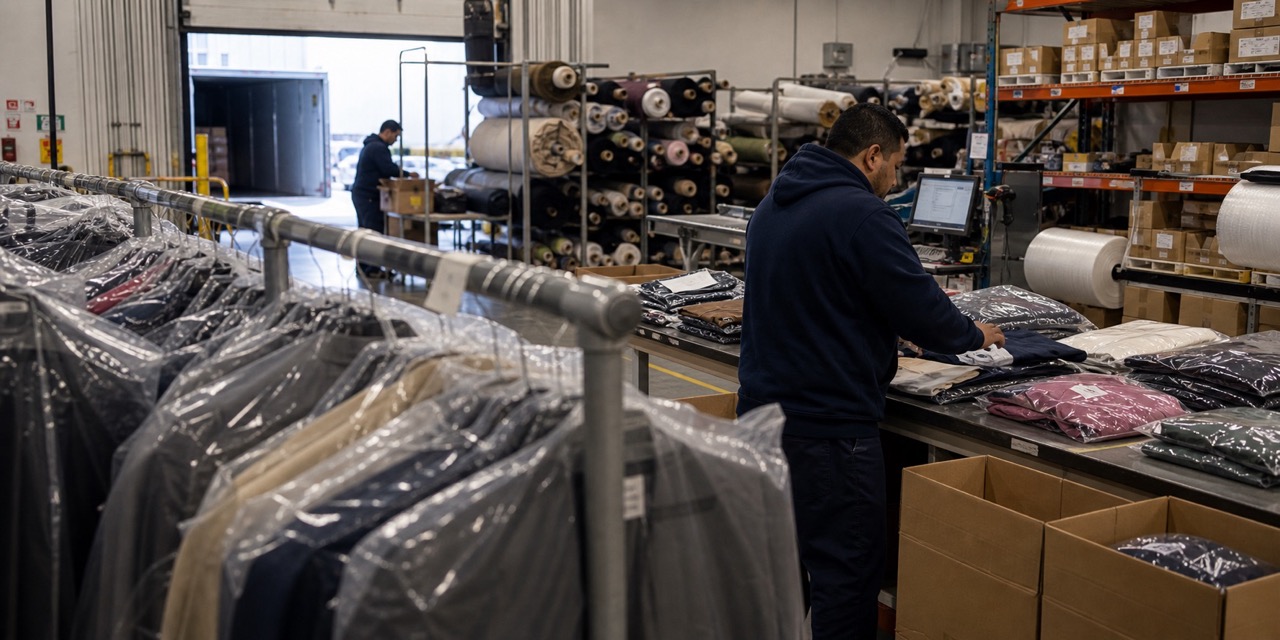
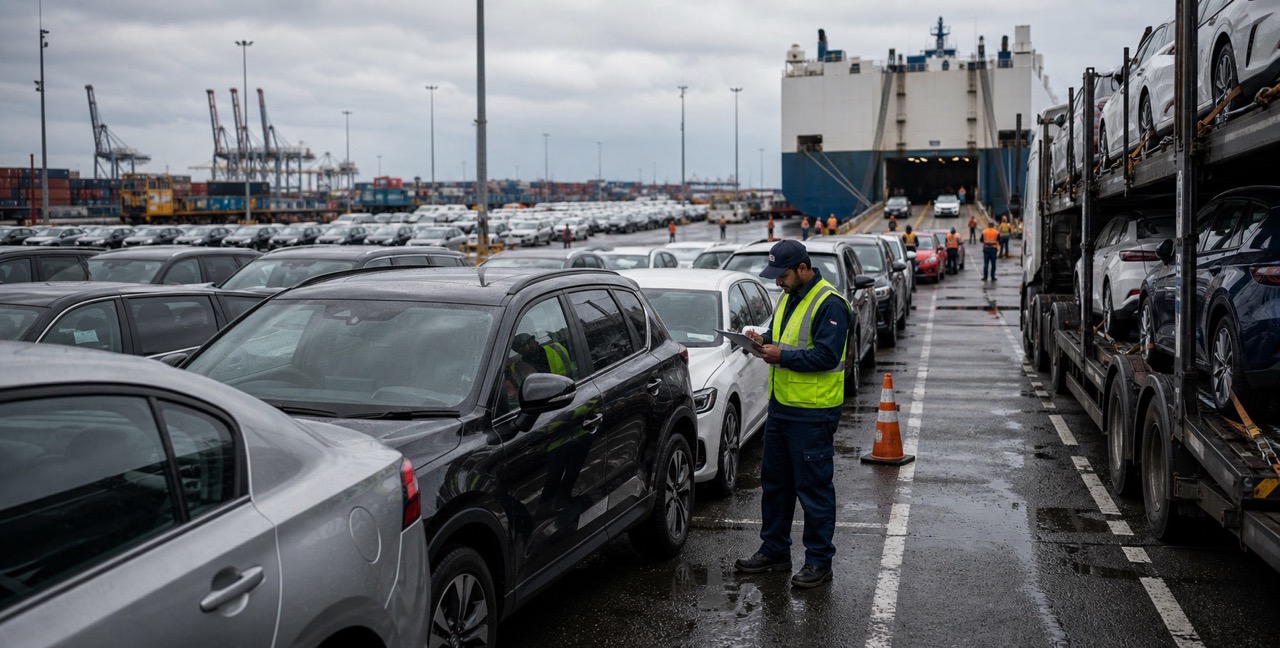
Suaid Global moved the brand off parcel imports and onto consolidated ocean LCL into a US warehouse. Goods now travel in monthly consolidated loads, clear customs once in bulk, and reach end customers inside the US by ground. The design goal was simple. Replace many small entries with few large ones, and pay the fixed cost of clearance once per load instead of once per parcel.
LCL fit the volume better than the alternatives, since a full container would have forced large buys per SKU and locked up cash. Air freight would have kept the speed but held the cost near parcel levels. LCL shares one container between several shippers, so the brand pays for the space it actually uses. That matters on a wide catalog, where reorder sizes vary by item. The China to USA LCL lane is among the world's most heavily consolidated ocean trades, so the brand joined an existing flow.
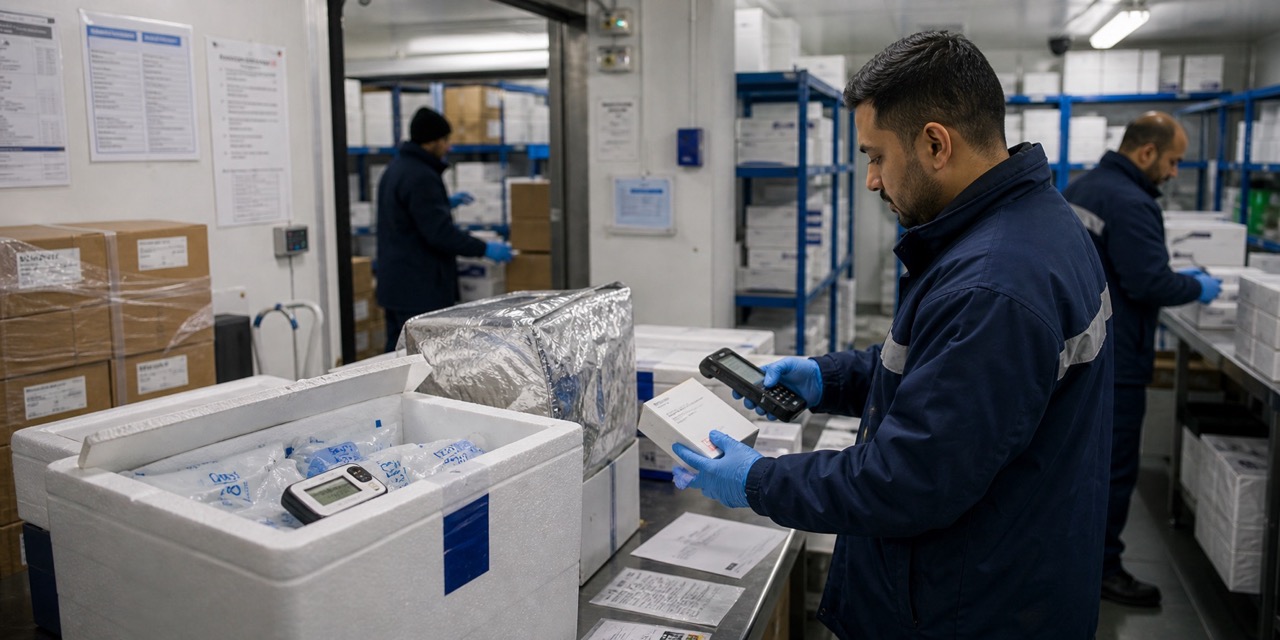
Licensed customs broker partners then classified all 500+ SKUs, line by line. Classification is not a guess: each item is read against the tariff schedule by material, function, and condition as imported. Home goods often sit close to the border between two headings, and the duty rate can differ sharply across that border. Careful, defensible coding cut the average duty rate from 25% to 7.5%. Our HS code classification guide walks through the same logic.
This is tariff engineering, and it is a lawful discipline. It does not change what the goods are. It applies the correct heading to the goods in the condition they arrive in. Where a code sat close to a line, the broker partners recorded the reasoning and filed the supporting detail. That record is what answers a later CBP question, months after the container is gone.
Suaid Global then arranged bonded warehouse access in Miami through its partner network. In a bonded facility, duty is paid when goods are withdrawn for sale, not when they land. Cash stays in the business while stock waits for orders. Miami also works as an East Coast ocean gateway with broad domestic ground coverage, which keeps the last leg simple once goods are released.
Services Used
How the Program Went Live
Work started with data, not with freight. The brand sent its full item list, with material, intended use, and value for each SKU. Gaps showed up fast, and every gap blocks a classification. Broker partners returned a short question list per item, and the brand's team filled it in. That unglamorous step set the duty outcome for everything that came after it.
In parallel, the brand was set up as importer of record. That takes a power of attorney for the broker partners and a customs bond in the brand's name. A continuous bond suits an importer that files often, since a single-entry bond is priced shipment by shipment. Country of origin marking on the goods and cartons was checked at the same time, because formal entry treats marking as a hard requirement.
The first consolidated booking ran on a fixed document set. Commercial invoice, packing list, bill of lading, and the classification file travel together every time. Ocean cargo also needs an Importer Security Filing before the vessel loads. Supplier cut-off dates were set against the sailing, so documents were ready ahead of the deadline rather than after it. Customs clearance was filed by licensed broker partners working from that same pack.
The program then settled into a monthly rhythm. Purchase orders are timed so suppliers deliver into the origin consolidation point before the cut-off. One consolidation, one entry, one bulk clearance, then domestic release. Two things were adjusted in the first cycles: ordering moved earlier, because an ocean leg is slower than parcel air. Reorder points were lifted on the fastest movers, so the longer lead time did not turn into empty listings.
Visibility runs on milestone tracking, not on a live map. The brand sees the same checkpoints on every load: cargo received at origin, container loaded, vessel departed, arrival, customs release, and warehouse receipt. Classification is revisited when a SKU changes material or when a new item joins the catalog. A stale code is a liability, not a saving. The full transition took 3 weeks.
The Results
Classification delivered the largest single gain. The average duty rate fell from 25% to 7.5%, a 70% reduction. On a catalog of 500+ SKUs imported month after month, that gap shows up on every unit sold, not on one lucky shipment. It is also the most durable part of the result. It is tied to how the goods are coded, not to a freight rate.
Freight and clearance costs moved next. Per-unit logistics cost fell from $18 under parcel shipping to $3 with consolidated LCL plus domestic ground. Consolidation drives that number. Fixed entry and brokerage costs are paid once per entry, and ocean space costs far less than express parcel space. The wider the catalog, the more that spread compounds.
Together the two changes protected price. The brand kept its pricing structure and improved margins by 8% against the pre-de minimis era. That outcome is worth reading twice. The old parcel model looked cheap because duty was skipped, not because the freight itself was efficient. Once the freight was rebuilt, the brand came out ahead of where it started.
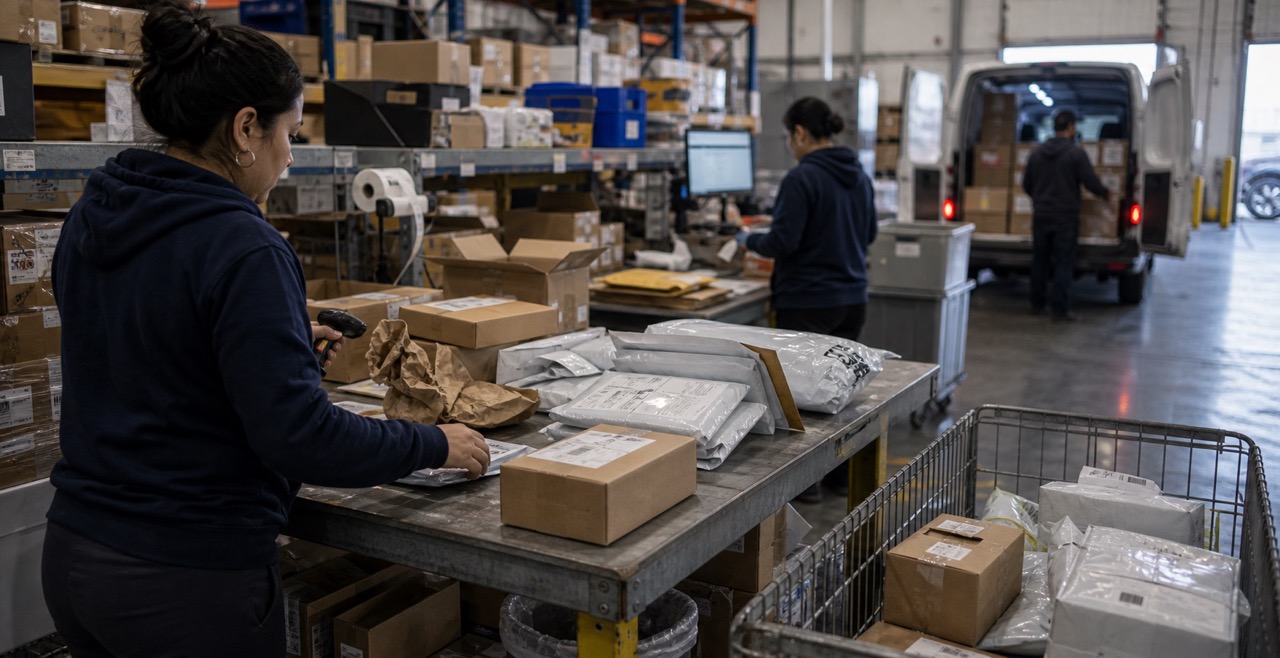
Service held up as well. The brand ships monthly consolidated LCL containers and fulfills orders from the Miami warehouse within 2-4 business days. US delivery runs about 4 days. Stock now sits in the country before the order exists, so the slow ocean leg happens while nobody is waiting on it. The brand trades a longer planning horizon for a shorter customer promise.
E-Commerce Shipping After De Minimis?
We help DTC brands restructure imports for the post-de minimis world. HTS classification, duty optimization, and warehouse solutions.