

Send the lane and cargo
Origin, destination, commodity, volume, Incoterm and the timing you are working to.

Licensed broker partner coordination for HTS classification, ISF, entry filing, PGA requirements, duty review and document readiness.
Clearance starts with the documents, HS code, valuation, Incoterm and importer information before the cargo reaches the border.
HTS codes, product description, origin and intended use need to line up with the commercial invoice before entry is filed.
HS code guide

For US ocean imports, ISF timing and document quality matter before the vessel sails. Missing information can create penalties and delays.
ISF filing guideSection 301, PGA requirements, duty drawback and special programs should be reviewed before the freight decision is final.
Customs fees guide HTS Classification Product classification review to support duties, tariffs and compliance decisions. Discuss classification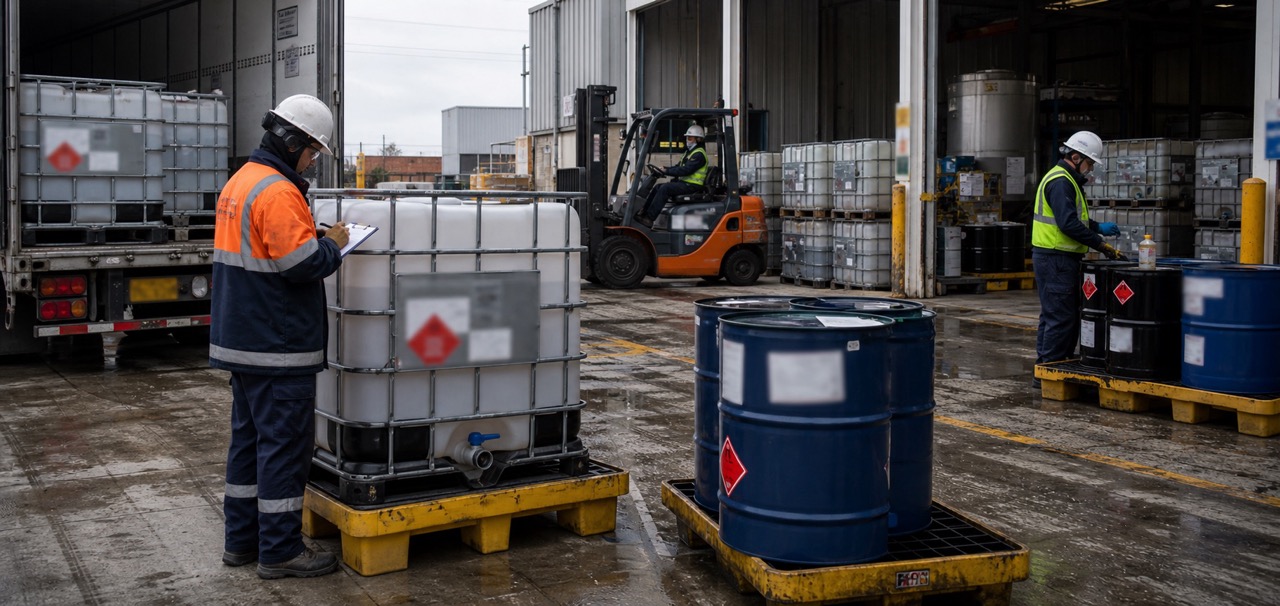
Options are compared on fit, cost and risk instead of a carrier's owned capacity.
A single coordinator keeps the shipment moving across parties and time zones.
Commercial documents, HS codes and handoff details are checked before they delay the move.
Clearance is coordinated through licensed partners selected by entry need.
HS codes, valuation and origin are reviewed before filing.
ISF, document gaps and PGA requirements are surfaced early.
Origin, destination, commodity, volume, Incoterm and the timing you are working to.
Importer data, documents, HTS code, duties, PGA requirements and arrival timing are checked before filing.
One all-in proposal with the trade-offs shown before anything is booked.
Broker partner coordination, entry filing, duty review, release and delivery updates stay connected to the shipment.
Clearance quality depends on what is checked before arrival.
Every import requires specific documentation. Missing or incorrect documents cause delays and penalties.
| Document | Purpose | When Required |
|---|---|---|
| Commercial Invoice | Declares value and terms of sale for duty calculation | All imports |
| Packing List | Details contents, weights, and dimensions per package | All imports |
| Bill of Lading / Air Waybill | Proof of shipment and contract of carriage | All imports |
| ISF (10+2) Filing | Security filing — must be submitted 24hrs before vessel loading | All ocean imports to USA |
| Certificate of Origin | Certifies country of manufacture for duty rates | Most imports, required for FTA benefits |
| Customs Bond | Financial guarantee for duties/taxes owed | All commercial imports over $2,500 |
| FDA Prior Notice | Pre-arrival notice for food, drugs, medical devices | FDA-regulated products |
| USDA Permit | Import authorization for plants, animals, ag products | Agricultural goods |
| MSDS / SDS | Safety data for chemicals and hazardous materials | Chemical and DG imports |
| FCC Declaration | Conformity for radio-frequency devices | Electronics and wireless devices |
Clearance is usually quick when the file is complete. Nearly every delay traces back to one of these.
| Cause | What happens | How to prevent it |
|---|---|---|
| Incomplete invoice | Entry cannot be filed or is rejected | State goods, value, currency, and Incoterm clearly |
| Wrong or vague HS code | Query, re-file, and possible penalty | Classify per SKU and reuse the code consistently |
| Missing origin proof | Preferential duty refused | Get the certificate before the goods ship |
| Value questioned | Request for proof of payment | Keep the payment record with the entry file |
| Missing agency permit | Goods held by the regulator, not customs | Check product rules before booking |
| Exam selected | Container pulled for scan or unload | Nothing to prevent it; budget time and cost |
Clearance is not the end of the obligation. Authorities audit after the fact, sometimes years later, and the burden of proof is on the importer.
Four terms explain most of what a broker sends you.
Sectors that rely on this product the most.
Search 200+ harmonized system codes by product name. Find duty rates, chapter info, and customs notes for US imports.
Estimate audited U.S. HTS duty components for a selected product record. Other destinations and product lines require specialist verification.
Answer a few questions about who arranges transport, who bears risk, and who clears customs — get the Incoterm 2020 rule that matches, with a link to the full explanation.
Browse the full catalog by family. Every line connects to the same operating thread and the same accountable coordinator.
Moving the freight itself: ocean, air and inland legs matched to cargo, timing and landed cost.
Storage, equipment and clearance kept in the same operating thread as the move.
Route strategy, cost modelling and protection before the booking is placed.
Guides written by the Suaid Global editorial team.
Talk to a real freight coordinator. Pick the channel that fits how fast you need an answer.
Share the route, cargo and timing so the quote can state its scope and exclusions.
Start a quoteUse WhatsApp for route questions, quote follow-up or shipment details.
Open WhatsAppInclude your shipment details and preferred contact information.
contact@suaidglobal.comIndependent freight orchestrator for global ocean, air, ground, customs and warehousing. Carrier-neutral routing, one accountable team, no carrier lock-in.
Freight forwarding for importers and exporters. Compare ocean, air and ground options, with clear costs and coordination from pickup to delivery.
Suaid Global compares transport and logistics partners for your shipment. One coordinator connects the agreed services from the first request to final delivery.
