

Route and Timing
Compare the proposed transport and estimated transit for your cargo.
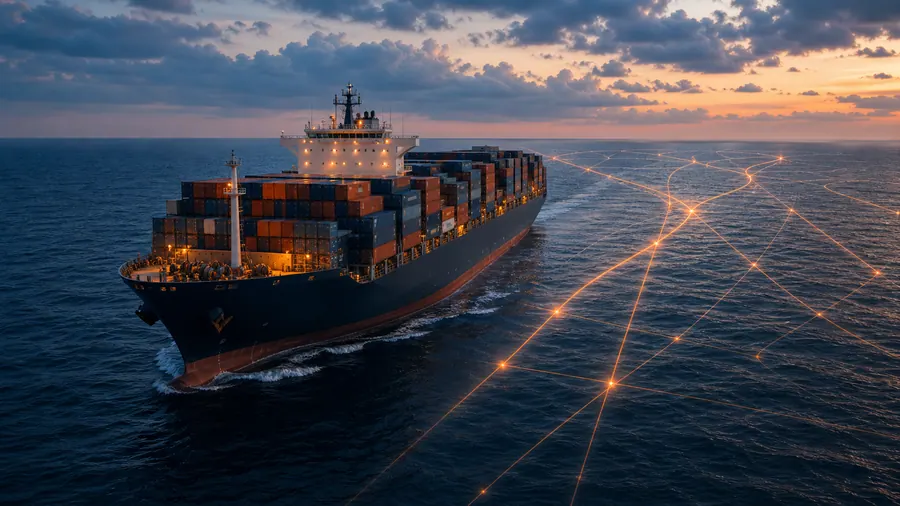
Ship from Mexico to all US states by ground, ocean, or air. We help with USMCA rules, pedimento papers filed by licensed brokers, and nearshoring supply chains.
Suaid Global compares routing, mode, customs requirements and final delivery as one plan, so the quoted option is aligned to timing, documentation and landed cost.
Use these as planning ranges. Door-to-door timing still depends on pickup, clearance, port dwell and final delivery.
| Mode | Transit | Best fit | |
|---|---|---|---|
| Ground / DrayageMexico to United States | 1–5 days | Cross-border truck freight, maquiladora supply chains, time-sensitive cargo | Quote this mode |
| Ocean FCLMexico to United States | 5–12 days | Full container loads from Pacific or Gulf coast ports | Quote this mode |
| Air FreightMexico to United States | 1–3 days | High-value, urgent, or perishable shipments | Quote this mode |
Ranges are planning estimates from the corridor profile. Dated quotes confirm sailing, uplift, drayage and clearance assumptions.
Most Mexico to United States freight never touches a ship. It crosses by truck or rail, and the crossing itself is where time is won or lost.
| Method | How it works | Best for |
|---|---|---|
| Direct truck | One carrier hauls the load across with a bonded crossing | Time-critical and high-value loads |
| Transfer at the border | A drayage tractor shuttles the trailer across to a waiting carrier | Standard volume freight; usually cheapest |
| Rail intermodal | Containers move by rail to inland terminals | Heavy, non-urgent volume over long distances |
| Less-than-truckload | Your pallets share a trailer with other shippers | Small shipments that cannot fill a trailer |
Crossing time depends far more on programme status than on distance. These are the ones that matter.
This corridor is not just a freight leg. Duties, agency reviews, document timing and mode selection all affect the real landed cost.
Planning answers from the corridor profile. A dated quote confirms the route, carrier and customs assumptions for your shipment.
Compare the proposed transport and estimated transit for your cargo.
Review included services, exclusions and any details that still need confirmation.
A coordinator checks your request and follows up on the details needed to quote.
Tell us the cargo, volume, Incoterm and timing. A coordinator replies with routing options and an all-in number.
Talk to a real freight coordinator. Pick the channel that fits how fast you need an answer.
Share the route, cargo and timing so the quote can state its scope and exclusions.
Start a quoteUse WhatsApp for route questions, quote follow-up or shipment details.
Open WhatsAppInclude your shipment details and preferred contact information.
contact@suaidglobal.comIndependent freight orchestrator for global ocean, air, ground, customs and warehousing. Carrier-neutral routing, one accountable team, no carrier lock-in.
Freight forwarding for importers and exporters. Compare ocean, air and ground options, with clear costs and coordination from pickup to delivery.
Suaid Global compares transport and logistics partners for your shipment. One coordinator connects the agreed services from the first request to final delivery.