

Send the lane and cargo
Origin, destination, commodity, volume, Incoterm and the timing you are working to.
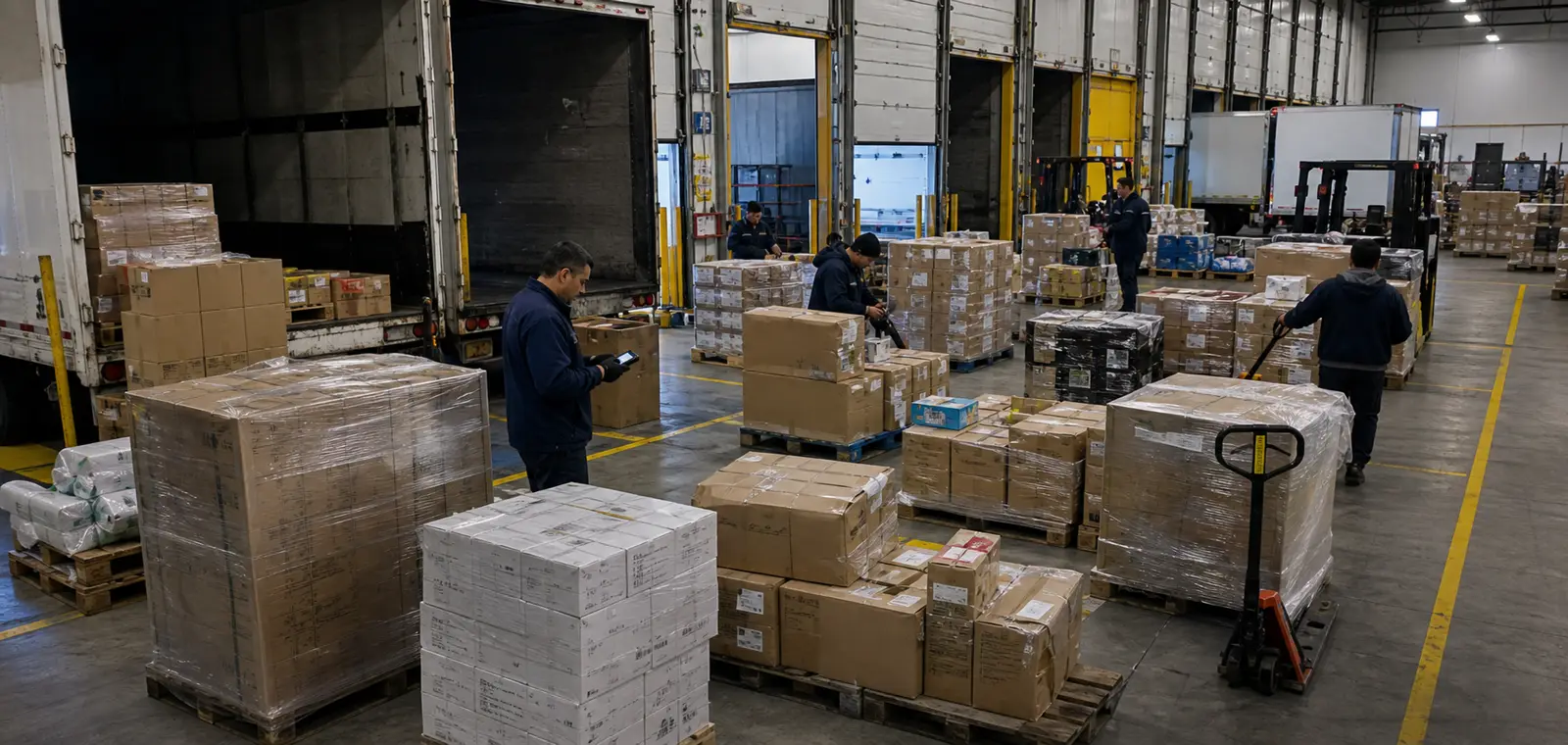
Per-pallet and partial-truckload inland moves coordinated around freight class, terminal handling, appointment windows and port-to-door delivery.
Less-than-truckload freight moves through carrier terminal networks. That makes packing, class, accessorials and delivery appointments more important.
LTL fits pallets, cartons and smaller deliveries that do not justify a full truck. It works best when freight is packed, classified and scheduled correctly.
Freight class guide

NMFC class, density, liftgate, residential delivery, limited access and appointment needs can change the final cost.
Cost breakdownAfter ocean, air or warehouse release, LTL can distribute smaller orders without forcing dedicated truckload capacity.
E-commerce logistics guide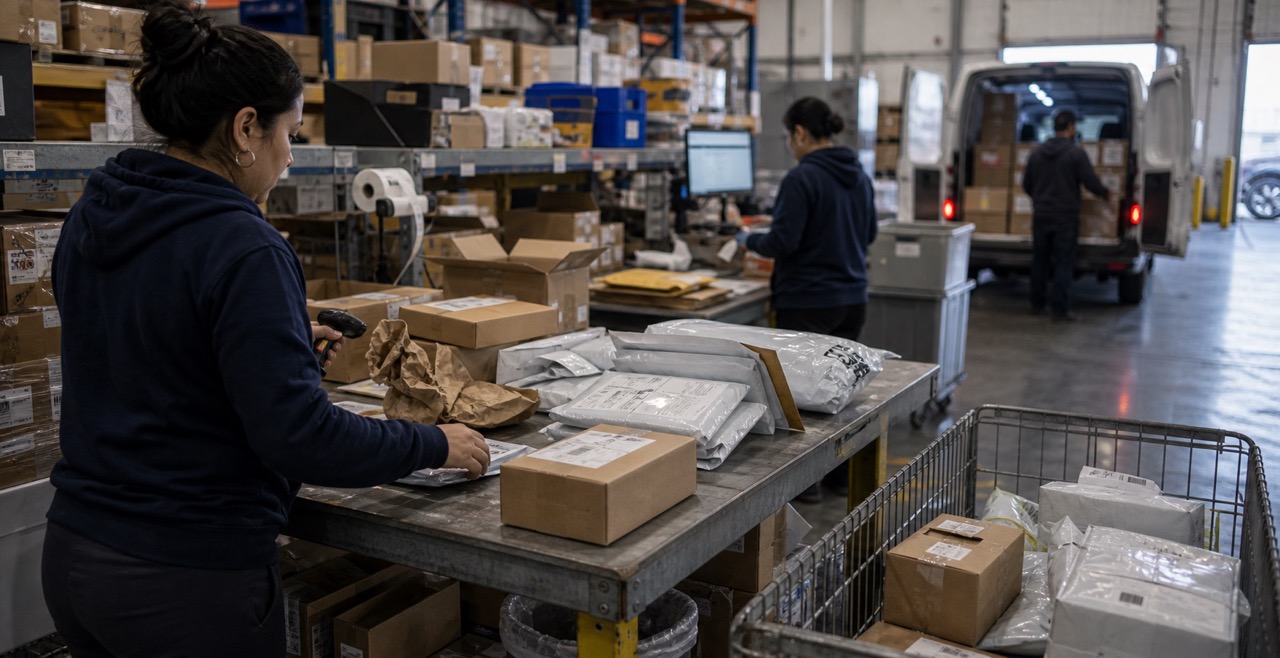

Options are compared on fit, cost and risk instead of a carrier's owned capacity.
A single coordinator keeps the shipment moving across parties and time zones.
Commercial documents, HS codes and handoff details are checked before they delay the move.
Freight class, dimensions and pallet quality are reviewed before tender.
Liftgate, appointment, residential and limited-access needs are priced up front.
Handling exposure is reduced through better packing and clear delivery instructions.
Origin, destination, commodity, volume, Incoterm and the timing you are working to.
Class, pallet count, delivery requirements and carrier network are matched before tender.
One all-in proposal with the trade-offs shown before anything is booked.
Pickup, terminal movement, delivery appointment and proof of delivery stay visible in one thread.
The price advantage depends on clean shipment details.
LTL does not price by weight alone. In the US market it prices by class, and class comes mostly from density. Understanding this is the fastest way to cut an LTL bill.
Most LTL invoices that come in above quote do so because of accessorials. Declare them at booking and the quote holds.
| Charge | When it applies | How to avoid it |
|---|---|---|
| Liftgate | No dock at pickup or delivery | Confirm dock access before booking |
| Residential delivery | Address is a home or home business | Flag it up front; it is not optional |
| Limited access | Schools, sites, farms, military bases | Declare the site type at quote stage |
| Inside delivery | Driver must move freight past the door | Arrange your own labour at the kerb |
| Reweigh / reclass | Actual weight or class differs from the bill | Measure and weigh the pallet before pickup |
| Storage | Freight not collected at the terminal in time | Confirm the notification contact |
LTL freight is handled several times between pickup and delivery. Packing for that reality prevents most damage claims.
There is a middle option that many shippers miss. Partial truckload often beats both on price for mid-size loads.
| Option | Typical size | Handling | Best when |
|---|---|---|---|
| LTL | 1-6 pallets | Multiple terminal transfers | Small, sturdy, well-packed freight |
| Partial truckload | 6-12 pallets | Loaded once, no terminal sort | Mid-size loads that are fragile or high value |
| FTL | 12+ pallets | Loaded once, direct | Full loads or urgent, time-critical freight |
Most LTL billing disputes come down to one of these five words.
Sectors that rely on this product the most.
Browse the full catalog by family. Every line connects to the same operating thread and the same accountable coordinator.
Moving the freight itself: ocean, air and inland legs matched to cargo, timing and landed cost.
Storage, equipment and clearance kept in the same operating thread as the move.
Route strategy, cost modelling and protection before the booking is placed.
Guides written by the Suaid Global editorial team.
Talk to a real freight coordinator. Pick the channel that fits how fast you need an answer.
Share the route, cargo and timing so the quote can state its scope and exclusions.
Start a quoteUse WhatsApp for route questions, quote follow-up or shipment details.
Open WhatsAppInclude your shipment details and preferred contact information.
contact@suaidglobal.comIndependent freight orchestrator for global ocean, air, ground, customs and warehousing. Carrier-neutral routing, one accountable team, no carrier lock-in.
Freight forwarding for importers and exporters. Compare ocean, air and ground options, with clear costs and coordination from pickup to delivery.
Suaid Global compares transport and logistics partners for your shipment. One coordinator connects the agreed services from the first request to final delivery.