

Send the lane and cargo
Origin, destination, commodity, volume, Incoterm and the timing you are working to.
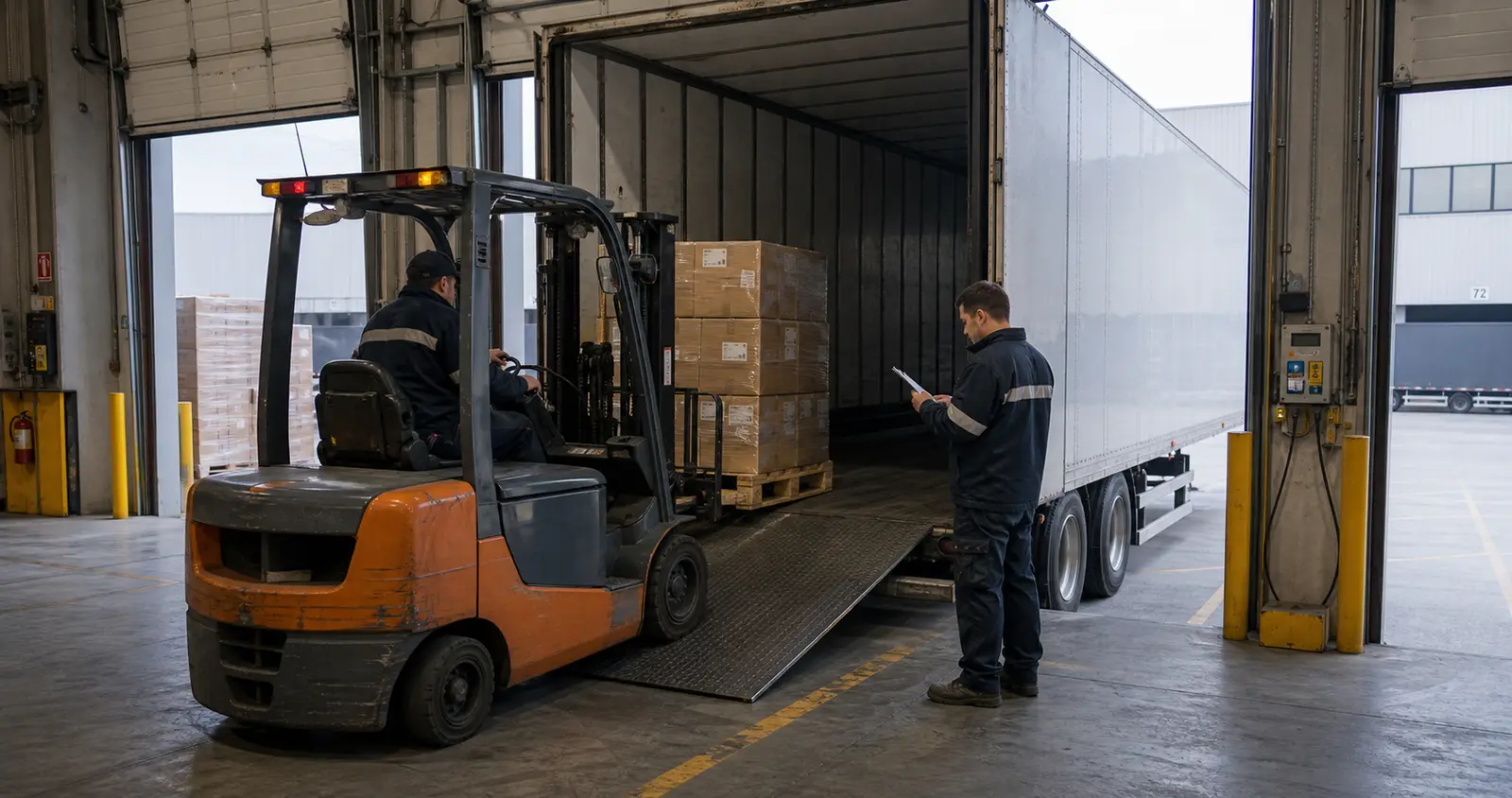
Full truckload service for cargo that needs direct routing, less handling, tighter delivery control or enough volume to own the trailer.
A dedicated trailer reduces terminal handling and gives tighter timing. It still needs carrier fit, appointment planning and route visibility.
FTL fits high-volume freight, fragile cargo, strict appointments, direct distribution and urgent inland moves where shared terminal handling creates risk.
Ground freight overview
Pickup time, dock availability, transit, driver hours and consignee receiving windows need to match before dispatch.
Freight class guideAfter ocean or air arrival, a dedicated truck can keep the shipment from sitting in a terminal network or missing a final delivery window.
Demurrage guide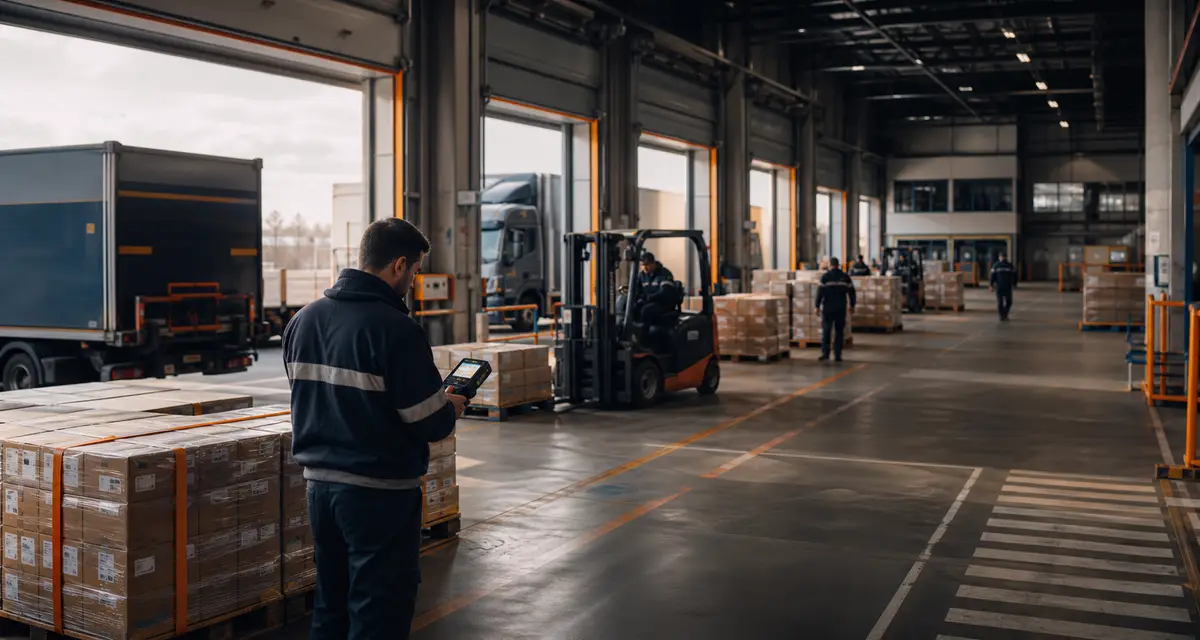 Dedicated Dry Van Direct trailer capacity for palletized, boxed or floor-loaded freight. Quote dry van
 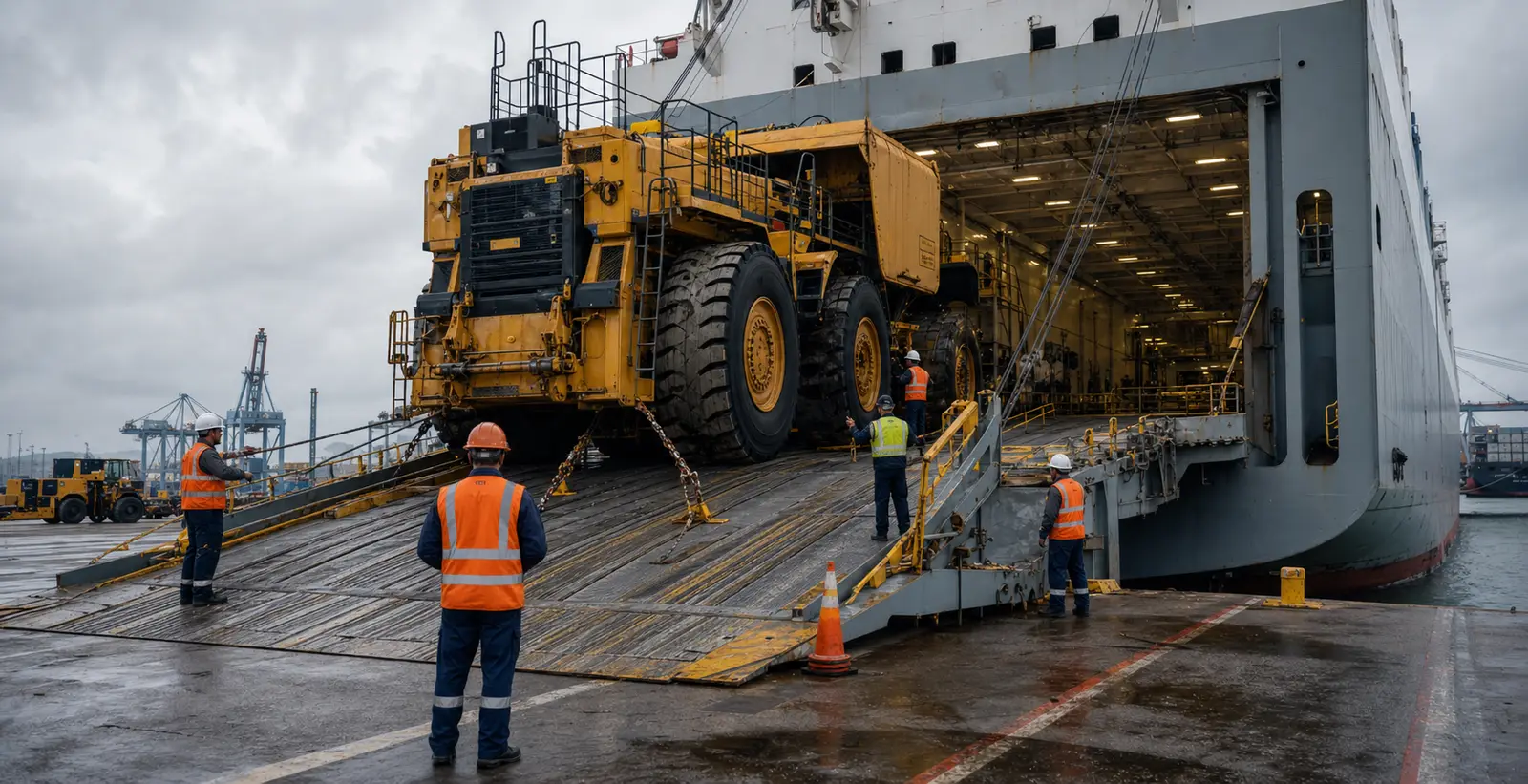 Flatbed & Heavy Cargo Open-deck solutions for machinery, oversized pieces and cargo that cannot load through a dock. Quote flatbed
 Options are compared on fit, cost and risk instead of a carrier's owned capacity.
A single coordinator keeps the shipment moving across parties and time zones.
Commercial documents, HS codes and handoff details are checked before they delay the move.
Stops, driver hours and delivery appointments are planned around the freight.
Dedicated trailers reduce terminal touches and transfer exposure.
Pickup, transit and delivery status stay connected to the operating file.
Origin, destination, commodity, volume, Incoterm and the timing you are working to.
Carrier, trailer type, route, appointment and delivery window are matched before dispatch.
One all-in proposal with the trade-offs shown before anything is booked.
Pickup, transit updates, exception handling and delivery confirmation stay with one coordinator.
Dedicated capacity is useful when control matters.
Full truckload means the trailer moves for you alone, from pickup to delivery. The trailer type sets what you can load and how.
| Trailer | Typical deck length | Loads from | Best for |
|---|---|---|---|
| Dry van 53' | 53 ft | Rear doors | Palletised general freight |
| Dry van 48' | 48 ft | Rear doors | Shorter lanes and tight docks |
| Reefer | 53 ft | Rear doors | Chilled and frozen goods |
| Flatbed | 48-53 ft | Side, top, rear | Steel, machinery, building materials |
| Step deck | 48-53 ft | Side, top, rear | Tall cargo that exceeds flatbed height |
FTL looks more expensive per shipment. Past a certain size it is cheaper per unit, and it is almost always faster.
Truckload pricing reacts to the lane, not just the distance. These are the levers you can actually control.
A truckload move is short, so the planning happens before the truck rolls. This is the normal sequence.
Read these before you sign the rate confirmation, not after the invoice arrives.
Sectors that rely on this product the most.
Browse the full catalog by family. Every line connects to the same operating thread and the same accountable coordinator.
Moving the freight itself: ocean, air and inland legs matched to cargo, timing and landed cost.
Storage, equipment and clearance kept in the same operating thread as the move.
Route strategy, cost modelling and protection before the booking is placed.
Guides written by the Suaid Global editorial team.
Talk to a real freight coordinator. Pick the channel that fits how fast you need an answer.
Share the route, cargo and timing so the quote can state its scope and exclusions.
Start a quoteUse WhatsApp for route questions, quote follow-up or shipment details.
Open WhatsAppInclude your shipment details and preferred contact information.
contact@suaidglobal.comIndependent freight orchestrator for global ocean, air, ground, customs and warehousing. Carrier-neutral routing, one accountable team, no carrier lock-in.
Freight forwarding for importers and exporters. Compare ocean, air and ground options, with clear costs and coordination from pickup to delivery.
Suaid Global compares transport and logistics partners for your shipment. One coordinator connects the agreed services from the first request to final delivery.
