

Send the lane and cargo
Origin, destination, commodity, volume, Incoterm and the timing you are working to.
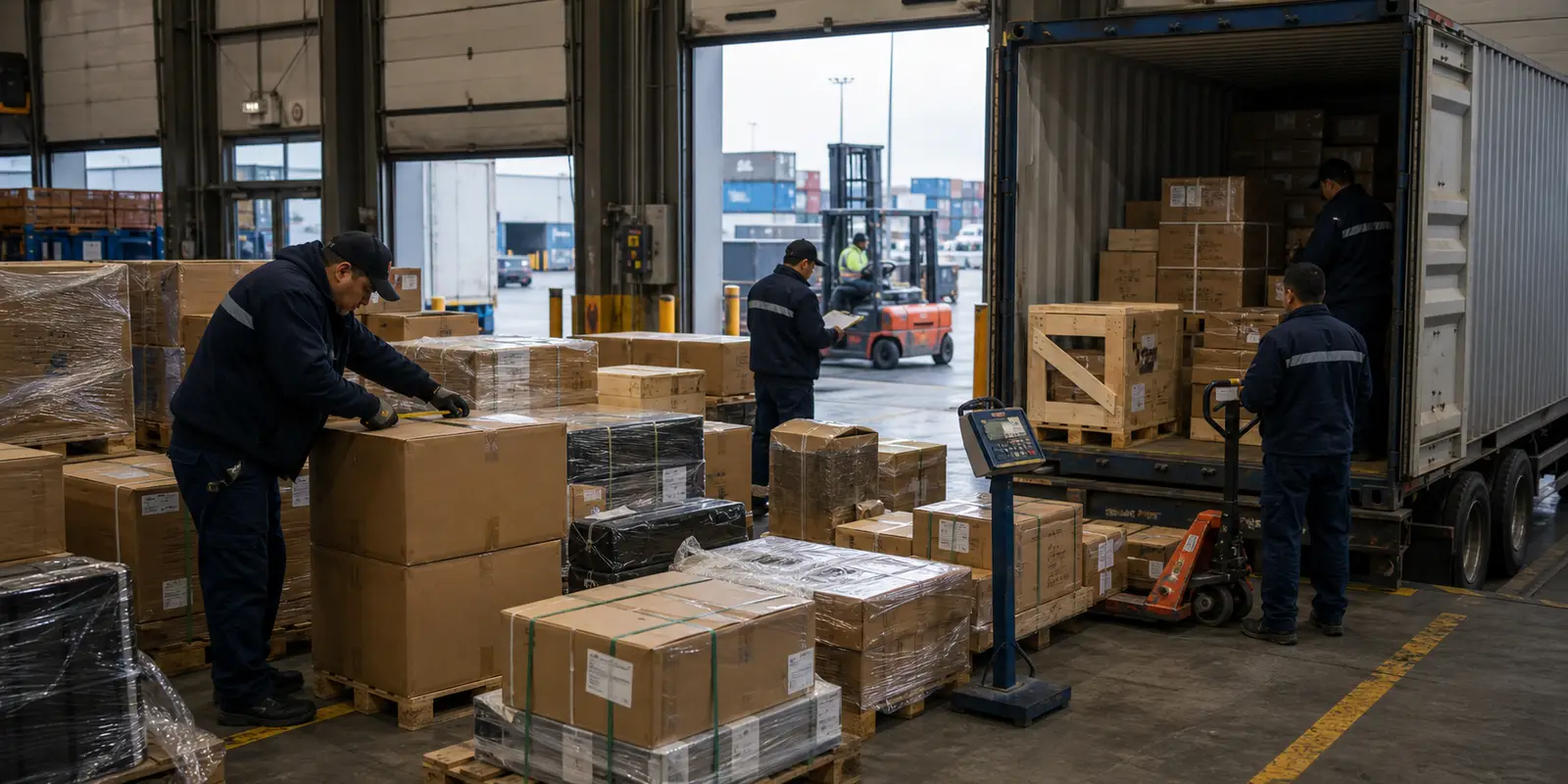
LCL from China runs about US$45–160 per CBM to the US West Coast and US$65–180 to the East Coast, port to port. These ranges are for the first half of 2026. We ship weekly consolidations through licensed partners, port to door. We plan documents and delivery before your cargo sails.
The benefit is paying only for the space you use. The risk is added handling, consolidation cutoffs and destination charges that must be made visible.
LCL fits smaller, frequent shipments, e-commerce replenishment, samples and cargo that is not ready to fill a container. It keeps inventory moving without forcing full-container volume.
What is LCL shipping?

LCL runs about US$70–150 per CBM from China to Europe, port to port (first half of 2026). From India to the USA it runs about US$85–160 (2026). You pay on volume or weight, whichever is greater. Minimums, CFS fees and destination charges come on top.
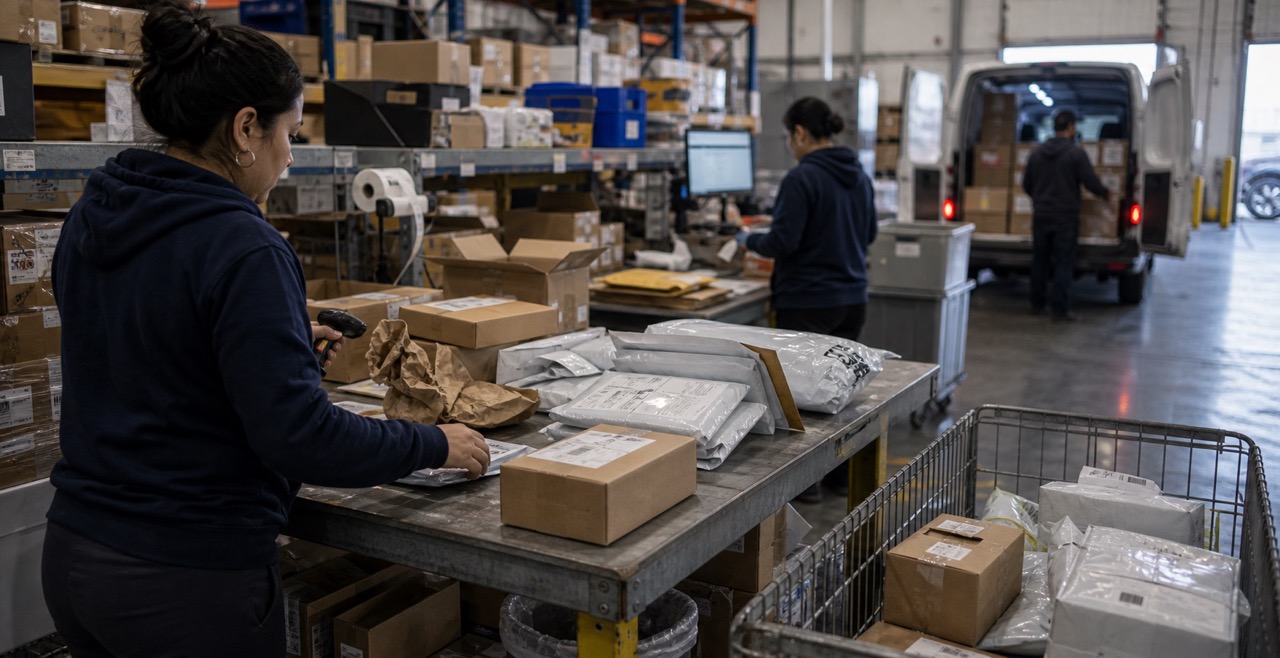
LCL charges explainedPacking, marks, pallet quality and commodity restrictions matter more in LCL because cargo is handled at the consolidation point.
LCL packing guide

Options are compared on fit, cost and risk instead of a carrier's owned capacity.
A single coordinator keeps the shipment moving across parties and time zones.
Commercial documents, HS codes and handoff details are checked before they delay the move.
Volume, weight, minimums and destination charges are reviewed before quoting.
Marks, pallets and commodity restrictions are checked before consolidation.
Origin and destination warehouse steps are part of the operating plan.
Origin, destination, commodity, volume, Incoterm and the timing you are working to.
CBM, weight, consolidation schedule, customs and destination delivery are checked against the real shipment.
One all-in proposal with the trade-offs shown before anything is booked.
Pickup, CFS handoff, sailing, deconsolidation, clearance and final delivery stay visible in one thread.
Smaller shipments still need serious coordination.
Everything you need to know about LCL shipping — from costs and transit times to packing and insurance.
| Guide | What You'll Learn | Best For |
|---|---|---|
| What Is LCL Shipping? | Complete guide: how LCL works, 7-step process, pros & cons | First-time LCL shippers |
| LCL Cost per CBM | 2026 rates by trade lane, cost calculation, savings tips | Cost planning & budgeting |
| LCL Charges Explained | Every fee: CFS, THC, BAF, surcharges, hidden costs | Quote comparison |
| LCL Transit Times | Door-to-door times for 20+ routes, delay factors | Delivery planning |
| LCL vs Air Freight | Cost & speed comparison, when to choose each | Mode selection |
| LCL Consolidation Guide | How CFS works, consolidation process, NVOCCs | Understanding the process |
Estimate your LCL costs instantly with our free shipping tools.
LCL cargo passes through more hands than a full container. Knowing each step tells you where time and risk actually sit.
LCL is priced on volume, so the savings come from how you pack, not from how you negotiate.
Four lines appear on nearly every LCL invoice. This is what they pay for.
Sectors that rely on this product the most.
Estimate LCL shipping costs by route, volume, and cargo type. Includes W/M ratio analysis and all-in cost breakdown.
Compare indicative LCL and FCL planning costs by route, volume, weight, and shipping frequency. Request a formal quote and verify the fee scope before choosing.
Calculate cubic meters from package dimensions. Multi-package support, container recommendations, and chargeable weight for air and ocean.
Browse the full catalog by family. Every line connects to the same operating thread and the same accountable coordinator.
Moving the freight itself: ocean, air and inland legs matched to cargo, timing and landed cost.
Storage, equipment and clearance kept in the same operating thread as the move.
Route strategy, cost modelling and protection before the booking is placed.
Guides written by the Suaid Global editorial team.


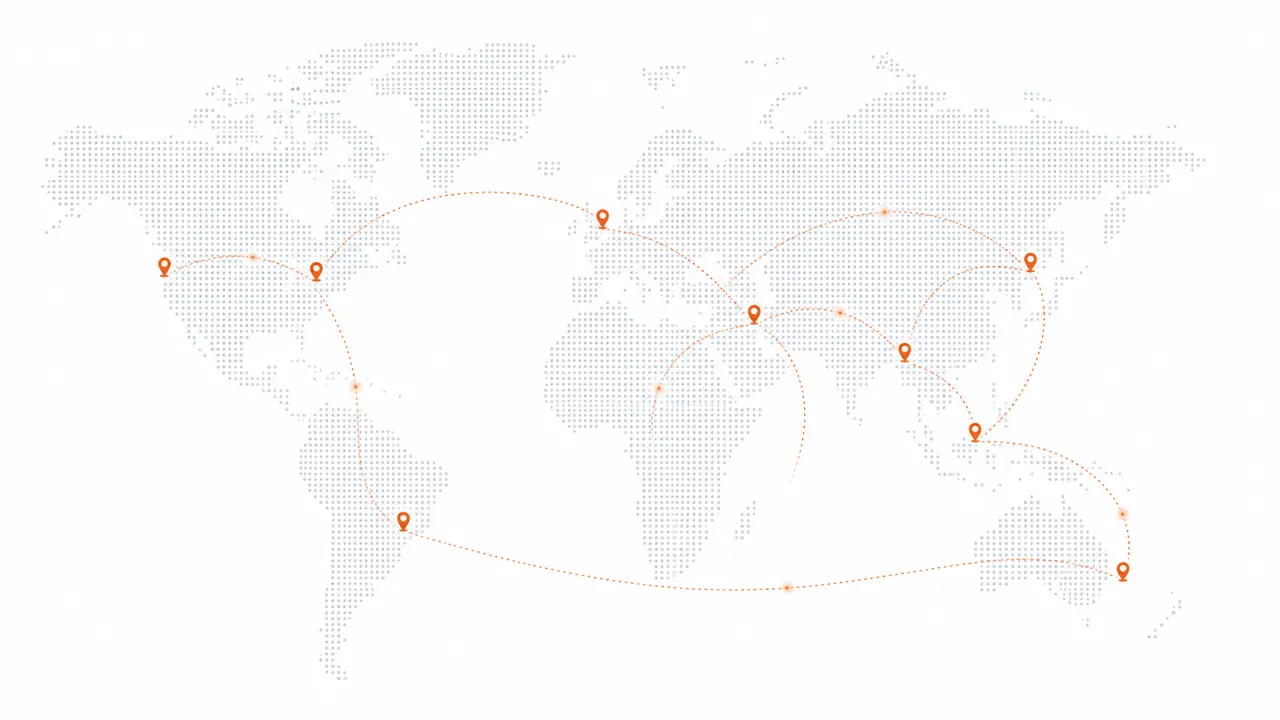
Talk to a real freight coordinator. Pick the channel that fits how fast you need an answer.
Share the route, cargo and timing so the quote can state its scope and exclusions.
Start a quoteUse WhatsApp for route questions, quote follow-up or shipment details.
Open WhatsAppInclude your shipment details and preferred contact information.
contact@suaidglobal.comIndependent freight orchestrator for global ocean, air, ground, customs and warehousing. Carrier-neutral routing, one accountable team, no carrier lock-in.
Freight forwarding for importers and exporters. Compare ocean, air and ground options, with clear costs and coordination from pickup to delivery.
Suaid Global compares transport and logistics partners for your shipment. One coordinator connects the agreed services from the first request to final delivery.