Tools Support
Shipping Corridor

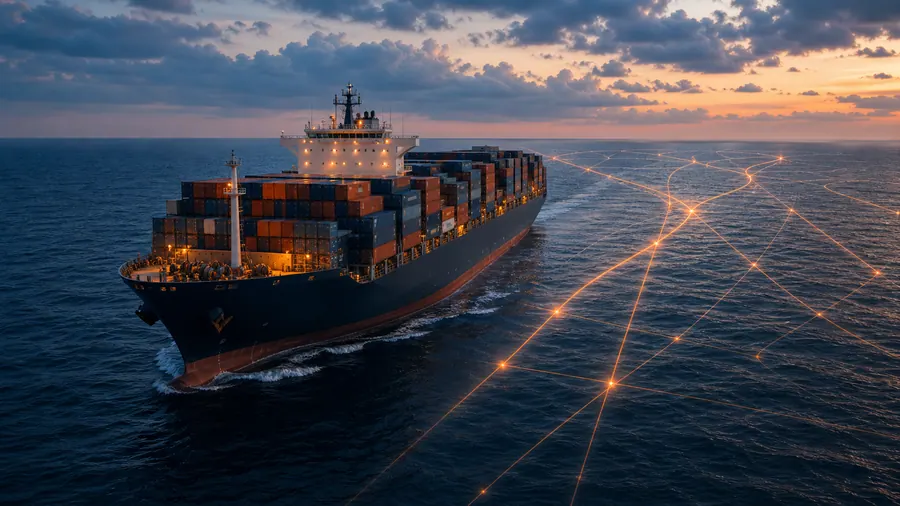
Germany to United States freight shipping.

Ship by ocean or air from Germany's North Sea ports to US gateways. We move machinery, cars, chemicals, medicine, and precision tools, with full US customs clearance.

The Lane

One corridor, no carrier bias.

Suaid Global compares routing, mode, customs requirements and final delivery as one plan, so the quoted option is aligned to timing, documentation and landed cost.

Corridor at a glance
Ocean FCL
12–20 days
Ocean LCL
18–26 days
Air Freight
2–4 days
Origin gateways
Port of Hamburg · Port of Bremerhaven
Destination gateways
Port of New York/New Jersey · Port of Baltimore · Port of Savannah · Port of Houston
Top cargo
Machinery & Equipment · Automobiles & Auto Parts · Chemicals & Pharmaceuticals · Electrical Equipment · Optical & Precision Instruments · Medical Devices
Transit Times

Mode by mode.

Use these as planning ranges. Door-to-door timing still depends on pickup, clearance, port dwell and final delivery.

ModeTransitBest fit
Ocean FCLGermany to United States12–20 daysMachinery, cars, bulk chemicals, and other large factory goodsQuote this mode
Ocean LCLGermany to United States18–26 daysSmaller commercial shipments, spare parts, mixed product loads under 15 CBMQuote this mode
Air FreightGermany to United States2–4 daysMedicine, precision tools, urgent factory parts, and high-value goodsQuote this mode

Ranges are planning estimates from the corridor profile. Dated quotes confirm sailing, uplift, drayage and clearance assumptions.

Ports

German gateways and how to choose

Germany has strong port and air options, and the right choice usually follows the factory location, not the price list.

GatewayServesNote
HamburgNorthern and eastern GermanyLargest German port; wide United States service
BremerhavenNorthern Germany and vehiclesMajor vehicle handling terminal
Rotterdam via barge or railWestern and southern GermanyOften faster than trucking to a German port
Frankfurt AirportThe whole countryMain air gateway for machinery parts and pharmaceuticals
DuisburgInland industrial regionLarge inland terminal feeding the sea ports
Cargo

What the lane carries, and where it gets complicated

German exports skew toward heavy, engineered goods. That changes packing more than it changes routing.

  • Machinery and machine tools — Weight per cubic metre is high and corrosion protection matters on the ocean leg.
  • Automotive and vehicles — Finished vehicles move by dedicated vessel; parts move containerised.
  • Pharmaceuticals — Temperature-controlled and audited. Packaging must be qualified for the route.
  • Chemicals — Many grades are regulated. The safety data sheet decides the booking, not the product name.
  • Precision instruments — Shock and tilt indicators are common, and the crate is part of the product.
  • Oversized project pieces — Inland waterways often carry these to port, which needs planning weeks ahead.
Planning

Customs and landed-cost planning.

This corridor is not just a freight leg. Duties, agency reviews, document timing and mode selection all affect the real landed cost.

Ocean planning range12–20 days typical
Air planning range2–4 days typical
Quote modelAll-in routing review
Review verified U.S. HTS duty components
Reviewed Before Booking

What changes the plan

Customs requirementsShipments from Germany to the USA need an ISF filed 24 hours before departure. You'll need a commercial invoice, packing list, bill of lading, and CBP Form 7501. German goods are EU-origin, so no Section 301 tariffs apply. Steel goods may face Section 232 tariffs — 25% on steel, 10% on aluminum — with some EU product exclusions still under talks. Medicine needs FDA sign-up. Medical devices need FDA 510(k) clearance or PMA papers. Machinery may need FCC checks for built-in electronics. Dual-use items may need an EU export license and a BIS import review.
Tariff and duty treatmentGerman goods pay US MFN tariff rates, since they count as EU-origin. No Section 301 tariffs apply. There's no US–EU free trade deal in force right now — TTIP talks paused back in 2016. MFN rates run: machinery 0–3.9%, cars 2.5%, chemicals 0–6.5%, medicine 0%, medical devices 0–3.7%, and electric gear 0–3.9%. Trucks and light commercial vehicles face 25%, under a Section 232 review that's been discussed. Steel and aluminum face Section 232 tariffs too — 25% on steel, 10% on aluminum, with some exclusions.
Carrier-neutral routingOptions are compared by schedule, transshipment risk, customs exposure and final delivery, not by carrier preference.
Services

Services on this corridor.

Ocean Freight

FCL, LCL & global consolidation

Air Freight

Express, charter & consolidated

Customs Brokerage

Clearance & compliance

FAQ

Germany to United States, answered.

Planning answers from the corridor profile. A dated quote confirms the route, carrier and customs assumptions for your shipment.

Ocean freight from Germany to the USA takes 12–20 days. Hamburg or Bremerhaven to New York runs about 12–14 days on direct North Atlantic routes. To Savannah or Baltimore: 14–18 days. To Houston or Gulf ports: 16–20 days. Air freight from Frankfurt to major US cities takes 2–4 days — Frankfurt is Europe's biggest cargo airport, with many daily US flights.
No. Section 301 tariffs hit only goods made in China. German goods (EU-origin) skip Section 301 fully. They may face Section 232 tariffs on steel and aluminum — 25% on steel, 10% on aluminum — with some product exclusions open under specific requests. Most German-made goods — machinery, chemicals, electronics — pay standard MFN tariff rates.
No. The US–EU Transatlantic Trade and Investment Partnership (TTIP) talks paused in 2016 and have not picked back up in full. German and other EU goods pay standard US MFN tariff rates. The EU and US have set up sector deals (mutual recognition agreements) for some regulated goods, but no full trade deal is in force.
Germany's top exports to the USA start with factory machines and tools — Germany ranks as the world's second-biggest machinery exporter. Next come cars and parts (BMW, Mercedes-Benz, Volkswagen, Audi all sell big in the US). Then come chemicals and medicine (BASF, Bayer, Merck), electric gear (Siemens, Bosch), precision tools, and medical devices. The USA ranks as one of Germany's biggest export markets.
Under Section 232 tariffs set in 2018, German (EU) steel faces a 25% tariff, and aluminum a 10% tariff, on entry to the USA. The EU and USA set up a Global Arrangement on Sustainable Steel and Aluminum (GASSA) framework, though quotas and terms have shifted several times. Some German steel goods got product exclusions. Our customs broker partners track the current status for each product type.
These shipments need FDA site sign-up, GMP (Good Manufacturing Practice) papers, and, for regulated drugs, FDA pre-approval. Cold-chain shipping is standard for biologics and heat-sensitive drugs. Air freight works best for most of this cargo. We run GDP-grade medicine freight, with temperature checks and full chain-of-custody papers.
More questions in Support
Quote This Corridor

Send the lane. We'll shape the route.

Tell us the cargo, volume, Incoterm and timing. A coordinator replies with routing options and an all-in number.

Response within 1 business dayFrom a coordinator, not an autoresponder.
Ready to price a shipment?Skip the form — get a quote

Corridor pre-selected: Germany to United States · Handled by the operating team, not a call center.

Suaid Global

Independent freight orchestrator for global ocean, air, ground, customs and warehousing. Carrier-neutral routing, one accountable team, no carrier lock-in.

Ocean, air and ground — compared carrier-neutrally, quoted all-in, and coordinated door-to-door by one accountable team.

Suaid Global does not sell carrier capacity. Each lane is compared across ocean, air, inland, customs and warehousing partners, then coordinated through one operating owner from request to delivery.

Select Language