

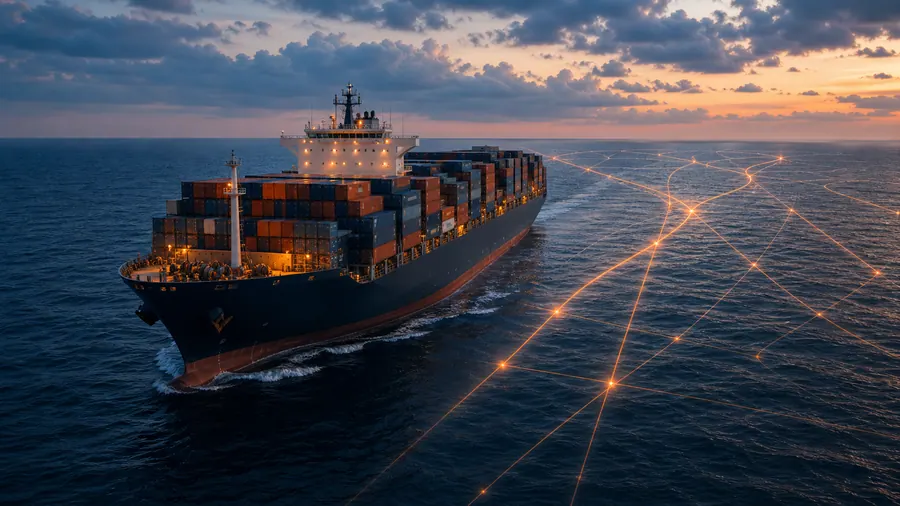
Shipping to and from Brazil.
Latin America's largest economy and Suaid's home market. Our partner network moves cargo through Santos and Paranaguá every day, and licensed brokers handle Receita Federal clearance.
Brazil rewards preparation and punishes improvisation.
SISCOMEX declarations, ANVISA health compliance, MAPA agricultural rules and IBAMA environmental controls — Brazilian trade runs on documents, and shipments stall at the port when the paperwork is an afterthought. Congestion at Santos, South America's largest container port, is a constant planning factor.
Suaid Global runs Brazil through its local partner network — including a São Paulo-based licensed customs broker partner that follows Receita Federal clearance and moves containers once they are released — with routing compared carrier-neutral across Santos, Paranaguá and Itajaí, and one point of contact answering in English or Portuguese.
Port of Santos
Brazil's largest container port and a major gateway for the country's containerized imports and exports. Can experience congestion during high season.
Port of Paranaguá
A major port in southern Brazil and a gateway for trade with Argentina, Paraguay and Uruguay. Turnaround varies by service, season and terminal conditions.
Port of Rio de Janeiro
Major general cargo and RoRo port. Oil and automotive imports. 2.5 million TEU capacity.
Port of Itajaí
Santa Catarina's main port, specializing in automotive and consumer goods. 1.2 million TEU.
GRU Guarulhos
Air cargo gateway — São Paulo.
Viracopos
Air cargo gateway — Campinas.
Importing into Brazil.
Every import clears through SISCOMEX with Receita Federal. Restricted goods need the import license (LI) approved before shipment — not after arrival. Our licensed customs broker partners validate classification, licensing and tax treatment while the cargo is still at origin.
Import documents we check
Exporting from Brazil.
Exports clear on the DU-E through the Portal Único — faster than the old regime, but unforgiving on data consistency between invoice, packing list and the declaration. Agricultural cargo adds phytosanitary and fumigation steps that must be booked around the harvest calendar.
Export documents we prepare
Brazil paperwork, ready to use.
Commercial Invoice Template
The fields customs actually validates — structure, values and Incoterm placement.
Packing List Guide
Line-by-line consistency with the invoice and the export declaration.
Certificate of Origin
Mercosur, ALADI and destination-specific preference documents, explained.
Customs Declaration Guide
What clearance checks at both ends of the lane — and the errors that trigger holds.
Corridors that touch Brazil.
Each corridor page carries port pairs, transit tables and cost guidance from lanes we run every week.
Brazil → USA
Explore corridorUSA → Brazil
Explore corridorSantos → Miami
Explore corridorChina → Brazil
Explore corridorRadar clearance comes before the first container
Brazil licenses the importer before it looks at the cargo. The system is known as Radar, and the level you hold sets what you may bring in.
- Pick the right level — Radar comes in tiers. A low tier caps your import value and forces an upgrade later.
- Show where the money comes from — You prove the funding behind the imports. Weak proof slows the approval down.
- Appoint your broker — A licensed broker files for you in the trade system. Grant that access early.
- Register the company, not just the product — Food, cosmetics, devices and medicines need a company licence as well as a product one.
- Check the goods before the order — Some products answer to more than one agency, and each has its own lead time.
The charges that turn a cheap product into an expensive one
Brazil layers several charges on top of each other. The landed cost, not the invoice price, is the number that matters.
| Charge | Applied to | Note |
|---|---|---|
| Import tax | The customs value | Set by the tariff code. That code drives everything downstream. |
| Industrial products tax | Value plus import tax | The rate depends on the product family. |
| Federal contributions | The import value | Two separate charges that reach most goods. |
| State tax | The full landed value | Set by state. Where you clear changes what you pay. |
| Merchant marine charge | Ocean freight | A surcharge on sea freight into Brazil. Air moves avoid it. |
| Port and storage | Time inside the terminal | Free time is short in peak season. Book the inland leg early. |
The tariff code is the single most important field
Brazil uses the Mercosur nomenclature. One digit changes the tax, the licence, and the agency that reviews you. Check it with the HS code lookup before you commit.
- Classify before you buy — A code that carries a licence can turn a good price into a bad deal.
- Do not reuse the export code — Your supplier codes for its own country. Confirm the Brazilian code on its own.
- Licences follow the code — Some codes need approval before shipping, and approval after arrival is not an option.
- Write full descriptions — Brazilian entries want material, function, model and brand, not a short label.
- Re-check after a product change — A new material or a new function can move the product to another code.
What holds containers at Santos and Paranaguá
The vessel is rarely the delay. Documents and timing are.
- A licence requested after shipping — When approval is needed before loading, a late request means fines or a return.
- Invoice and packing list that disagree — Weights, counts and part numbers have to match across every document.
- Wood packing without the stamp — Untreated pallets are refused. Photograph the treatment mark at loading.
- No local importer of record — The importer must be a Brazilian entity with a tax number. Settle this before booking.
- Free time ignored — Demurrage builds quietly while a document is chased. Track the clock from day one.
Brazil advisories & guides
Filtered from the insights library by country — written by the editorial team.
How to Import from Brazil to USA in 2026
April 5, 2026 Read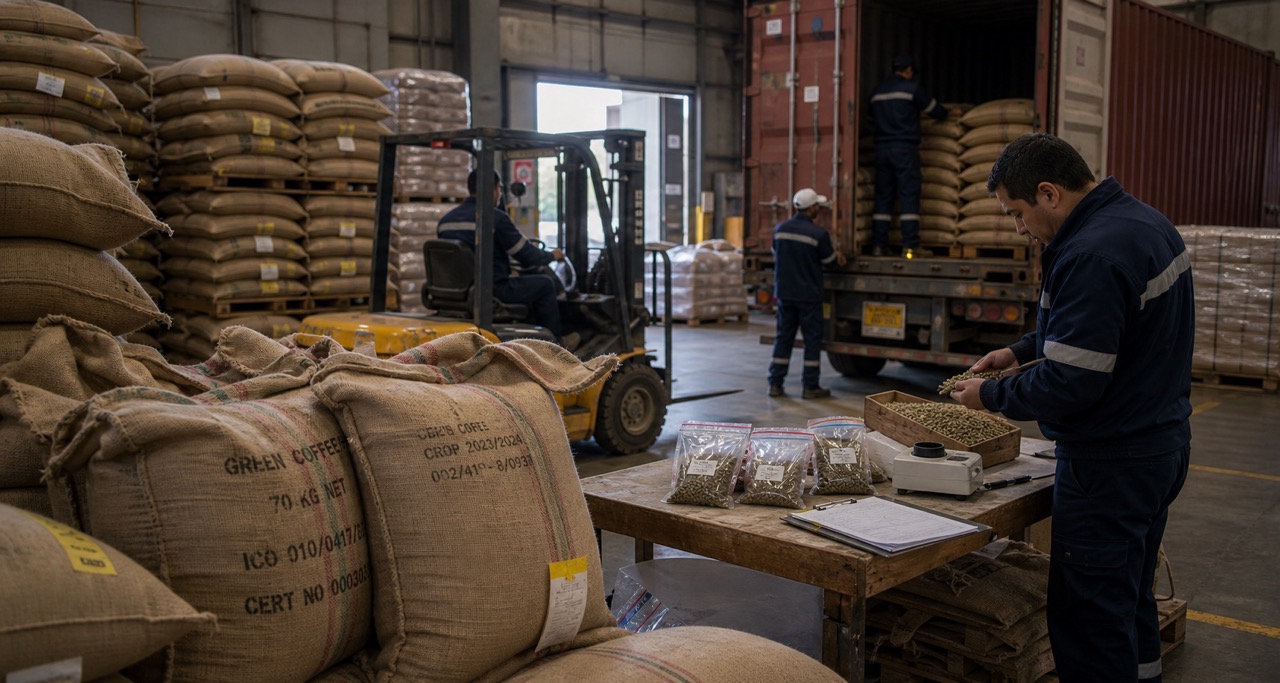
Brazil Coffee Export: Logistics Guide A-Z
March 31, 2026 Read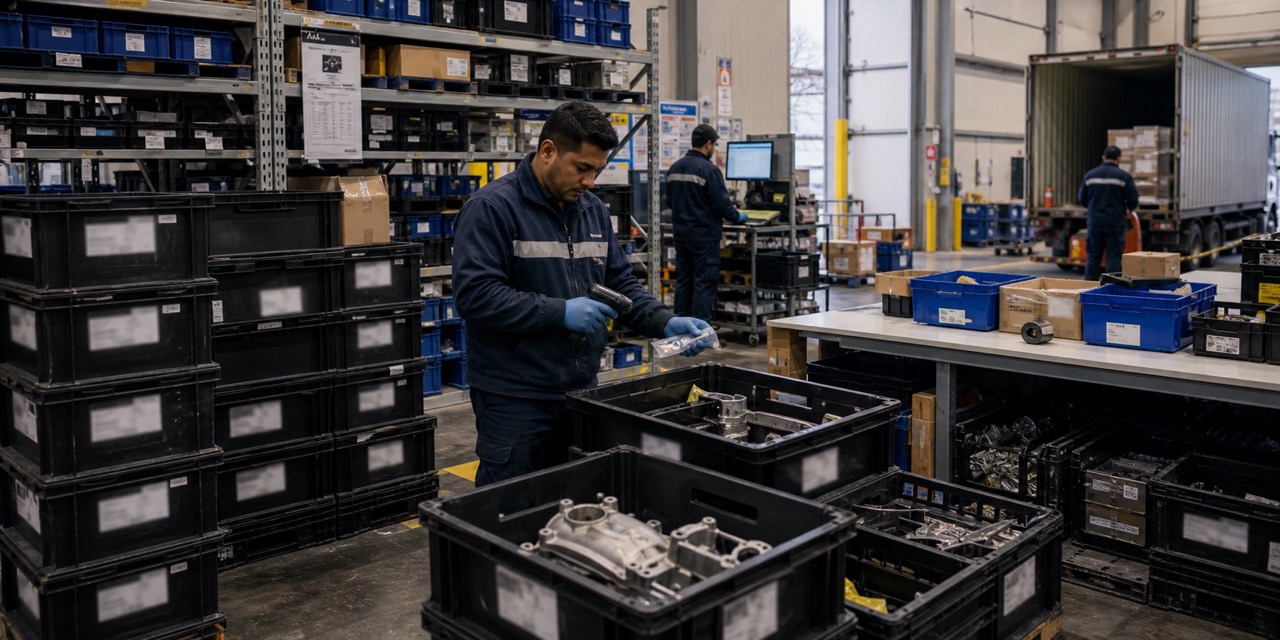
Importing Auto Parts to Brazil: Complete Guide 2026
March 31, 2026 Read
How Much Does It Cost to Ship from Brazil to the USA? What Sets the Price
September 23, 2026 Read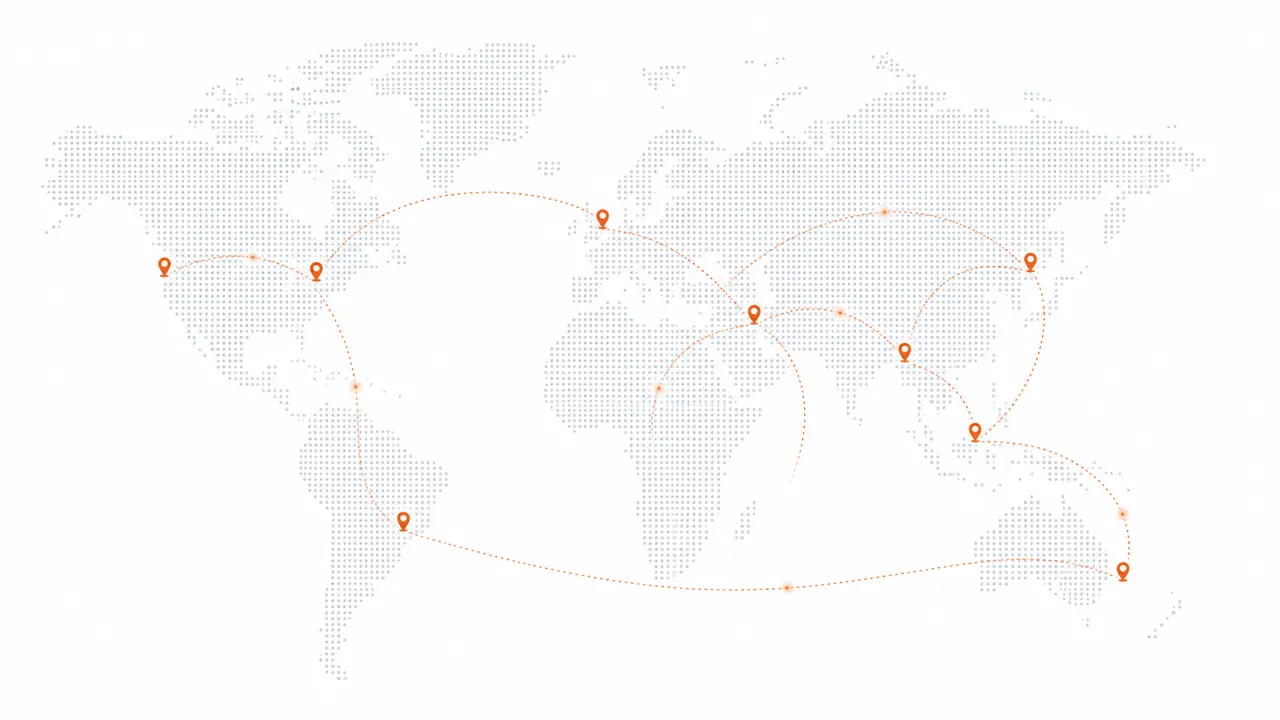
How Much Does It Cost to Ship from the USA to Brazil? What Sets the Price
September 23, 2026 Read
How Much Does It Cost to Ship from China to Brazil? What Sets the Price
September 23, 2026 ReadBrazil shipping questions.
Answered by the team that coordinates the paperwork — not a support script. If your question isn't here, the Support Center carries the full library.
Ask on WhatsAppAnything you need, we're here to help.
Discuss your shipment with Suaid Global. Choose a contact channel below.
Request a quote
Share the route, cargo and timing so the quote can state its scope and exclusions.
Start a quoteTalk now on WhatsApp
Use WhatsApp for route questions, quote follow-up or shipment details.
Open WhatsAppEmail the team
Include your shipment details and preferred contact information.
contact@suaidglobal.com