
Tools Support
Shipping Corridor

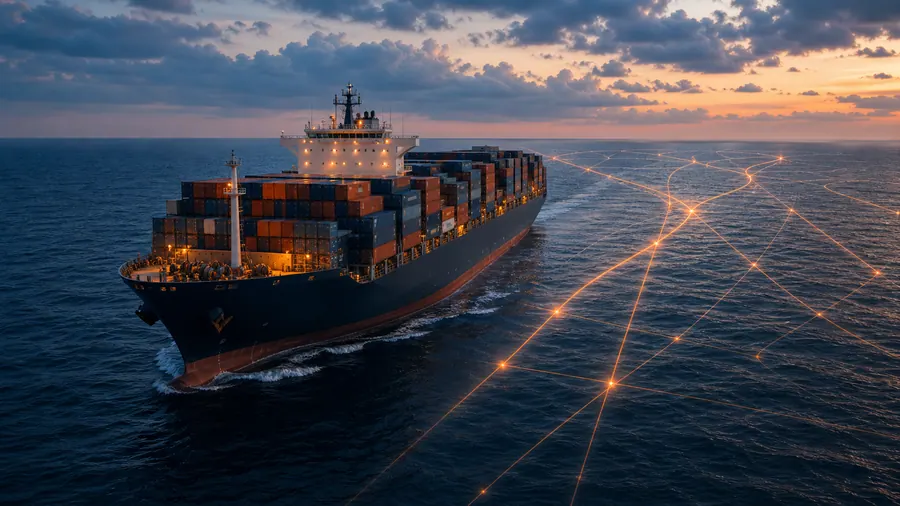
China to Brazil freight shipping.

Brazil is China's biggest trade partner in Latin America. The two countries trade over US$180 billion a year. We give you just one point of contact for FCL, LCL, and air freight, from all major Chinese ports to Santos, Itajaí, Paranaguá, and more — through our network of NVOCC partners and licensed Brazilian customs brokers. We also handle AFRMM surcharges, Radar Siscomex registration, NCM classification, and multi-agency licensing (ANVISA, INMETRO, MAPA), so you can focus on your business, not on paperwork.

The Lane

One corridor, no carrier bias.

Brazil is China's biggest trade partner in Latin America. The two countries trade over US$180 billion a year. We give you just one point of contact for FCL, LCL, and air freight, from all major Chinese ports to Santos, Itajaí, Paranaguá, and more — through our network of NVOCC partners and licensed Brazilian customs brokers. We also handle AFRMM surcharges, Radar Siscomex registration, NCM classification, and multi-agency licensing (ANVISA, INMETRO, MAPA), so you can focus on your business, not on paperwork.

Suaid Global compares routing, mode, customs requirements and final delivery as one plan, so the quoted option is aligned to timing, documentation and landed cost.

Corridor at a glance
Ocean FCL
35–50 days
Ocean LCL
40–55 days
Air Freight
5–9 days
Air Express
4–7 days
Origin gateways
Port of Shanghai (Yangshan) · Port of Shenzhen (Yantian) · Port of Ningbo-Zhoushan · Port of Qingdao · Port of Guangzhou (Nansha)
Destination gateways
Port of Santos (~40% of national container volume) · Port of Itajaí / Navegantes · Port of Paranaguá · Port of Rio Grande · Port of Suape · Port of Pecém (Northeast alternative)
Top cargo
Industrial Machinery & Parts · Solar Panels & Energy Equipment · Electronics (NCM 8471+) · E-commerce Fulfillment (Shopee / Mercado Livre) · Tires & Automotive Parts · Chemicals & Industrial Inputs · Textiles & Apparel (NCM 50–63)
Transit Times

Mode by mode.

Use these as planning ranges. Door-to-door timing still depends on pickup, clearance, port dwell and final delivery.

ModeTransitBest fit
Ocean FCLChina to Brazil35–50 daysFull container loads (20ft or 40ft) from any major Chinese port — most cost-efficient for shipments above 15 CBM heading to Santos or ItajaíQuote this mode
Ocean LCLChina to Brazil40–55 daysConsolidated loads under 15 CBM — shared container space to Brazilian ports; rates vary by season, port pair, and the mandatory AFRMM surcharge (25% of ocean freight)Quote this mode
Air FreightChina to Brazil5–9 daysHigh-value electronics, urgent spare parts, fashion samples, and time-sensitive goods via GRU (São Paulo Guarulhos) or GIG (Rio de Janeiro)Quote this mode
Air ExpressChina to Brazil4–7 daysSmall parcels and urgent shipments via DHL/FedEx/UPS — best for under 100 kg; note that Brazilian Receita Federal applies RFB/import tax on express shipments above US$50Quote this mode

Ranges are planning estimates from the corridor profile. Dated quotes confirm sailing, uplift, drayage and clearance assumptions.

Planning

Customs and landed-cost planning.

This corridor is not just a freight leg. Duties, agency reviews, document timing and mode selection all affect the real landed cost.

Ocean planning range35–55 days typical
Air planning range5–9 days typical
Quote modelAll-in routing review
Review verified U.S. HTS duty components
Reviewed Before Booking

What changes the plan

Customs requirementsTo import from China into Brazil, you as the Brazilian importer must first hold a valid Radar Siscomex registration. The Limitado tier lets you bring in up to US$150,000 per semester. Ordinário has no cap at all. Expresso gives you faster approval. The importer of record must also be a Brazilian legal entity with a CNPJ. Next, a licensed alfandegário, or customs broker, files a Declaração de Importação (DI) in the Siscomex system. You will need these papers too: a commercial invoice, a packing list, a bill of lading or air waybill, an NCM classification (an 8-digit Mercosul code), and, for regulated goods, a Licença de Importação (LI). AFRMM — 25% of the ocean freight value — gets charged at port arrival, and it applies to every single ocean shipment. Wooden packaging must also meet the ISPM 15 standard. Receita Federal then sorts each shipment into a customs channel: green, yellow, red, or grey. A red channel means a full physical check on your goods. Keep in mind that the Brazilian importer always carries the legal tax duty. Suaid Global works through partner-licensed customs brokers, but we do not act as the importer of record ourselves.
Tariff and duty treatmentBrazilian imports from China face several tax layers. All of them apply to the CIF (Cost + Insurance + Freight) value. II (Imposto de Importação) runs from 0% to 35%. The exact rate depends on the NCM code, and on whether Mercosul rates apply. IPI (Imposto sobre Produtos Industrializados) then hits manufactured goods at 0% to 30%. PIS and COFINS levies add about 1.65% and 7.6% on top of that, on top of CIF plus II plus IPI. ICMS estadual varies 4–18% by the state you ship to (Itajaí/SC offers a good regime for some product types, under set rules). AFRMM adds 25% of the ocean freight value, and ANTAQ/Marinha Mercante collects it. NCM codes map to HS 6-digit codes, plus 2 more Brazilian digits for Mercosul alignment. Get this wrong, and you risk a grey or red customs channel. Some goods also fall under Licenciamento Não-Automático, and need prior sign-off — from ANVISA for health and cosmetics, INMETRO for electronics and safety, MAPA for farm goods, or DECEX — before customs will clear them. China holds no FTA with Brazil, so standard Mercosul tariffs apply. Suaid Global's partner customs brokers can give you NCM advice and a landed cost model before each shipment.
Carrier-neutral routingOptions are compared by schedule, transshipment risk, customs exposure and final delivery, not by carrier preference.
Services

Services on this corridor.

Ocean Freight

FCL, LCL & global consolidation

Customs Brokerage

Clearance & compliance

Supply Chain Advisory

Consulting & optimization

FAQ

China to Brazil, answered.

Planning answers from the corridor profile. A dated quote confirms the route, carrier and customs assumptions for your shipment.

Ocean freight from China to Brazil takes 35–50 days for FCL. Shanghai to Santos usually takes 38–45 days. Ningbo to Itajaí takes 38–48 days. Shenzhen to Paranaguá takes 40–50 days. LCL adds 5–7 more days for consolidation and deconsolidation. Then add 7–14 days for Brazilian customs, through Siscomex — the exact time depends on your customs channel (green means same-day release; red means a full inspection). Air freight from China to São Paulo Guarulhos takes 5–9 days, plus 3–5 more days for customs release.
Santos handles about 40% of Brazil's national container volume, so it offers the best frequency of LCL services from China. Itajaí and Navegantes, both in Santa Catarina state, have long had a favorable ICMS regime for some product types, under SC state rules. This can lower your total landed cost if you ship to southern Brazil. The best choice still depends on your cargo type, NCM code, your state of domicile, and your inland delivery point. Our partners can model both options for you.
Yes. Every Brazilian legal entity (CNPJ) that wants to import must first sign up with Radar Siscomex. There are three tiers to choose from. The Limitado tier caps you at US$150,000 in imports per semester, and it suits importers who ship now and then. The Ordinário tier allows imports with no cap, but you must show proof that you have the funds. The Expresso tier gives a faster approval path to some company types. You sign up through Receita Federal. Our partner customs brokers can walk you through the whole Radar process, step by step.
AFRMM (Adicional ao Frete para Renovação da Marinha Mercante) is a Brazilian maritime levy. It adds 25% to the ocean freight value on all goods brought in by sea. It funds the Merchant Marine fund, run by ANTAQ. You cannot avoid AFRMM, and it applies no matter which carrier or route you use. It gets collected at customs clearance, and you must pay it before the DI is released. Note that AFRMM does not apply to air freight.
True DDP (Delivered Duty Paid) into Brazil needs a Brazilian CNPJ, an active Radar Siscomex registration, and up-front payment of II, IPI, PIS/COFINS, ICMS, and AFRMM by the importer of record. Suaid Global (Suaid LLC) is a US entity, so we do not act as the Brazilian importer of record ourselves. In practice, our partners offer 'importação por conta e ordem de terceiros.' Under this model, a licensed Brazilian importer acts for the foreign buyer and handles all tax payments and customs filings. We can connect you with registered importers in SC or SP when this fits your needs. Tax duty then passes to the registered importer, and this carries legal and cost effects you should review with a Brazilian trade lawyer.
You will need a commercial invoice — in Portuguese, or with a certified translation — plus a packing list, and a bill of lading or air waybill. You also need an NCM classification for each product line you ship. If your product needs prior sign-off from ANVISA, INMETRO, MAPA, or DECEX, you must add a Licença de Importação (LI) too. Add a certificate of origin as well, if you want to claim any preferential treatment, plus a valid Radar Siscomex registration for the Brazilian importer. Wooden packaging must meet the ISPM 15 rule (heat treatment or fumigation). Your licensed customs broker partner then files the Siscomex DI on your behalf.
NCM stands for Nomenclatura Comum do Mercosul, an 8-digit code. The first 6 digits match the HS (Harmonized System) code you may already know; the last 2 are just for Mercosul. To find your NCM, start with the HS 6-digit code for your product. Then look up the MDIC/SECEX NCM table for the Mercosul extension. Rules on substantial change, plus Brazilian technical standards (ABNT), can also shift the class for goods that get made or built. Getting this wrong is a real risk in Brazil — it can lead to a red or grey channel check, fines, or even seizure. So we advise you to talk with a licensed Brazilian customs broker before you ship for the first time.
'Importação por conta e ordem de terceiros' means importation on behalf of a third party. It is a legal model under Brazilian customs law, where a registered importer, the trading company, acts for the real buyer. The buyer pays for the goods and the costs. The registered importer then handles the DI filing, the tax payment, and customs clearance, all under its own CNPJ. The registered importer's name sits on the DI, but the buyer still owns the full economic interest. This model lets foreign sellers, or firms with no Radar, import into Brazil through a compliant local partner. Suaid Global can connect you with established trading companies in SC and SP for this purpose.
It depends on what you plan to ship. ANVISA sign-off — a Licença de Importação from the health authority — is a must for cosmetics, personal care items, medical devices, drugs, and some food items. INMETRO checks apply to electronics, electrical goods, toys, and other safety-regulated items; once approved, the product must carry the Brazilian INMETRO seal. MAPA sign-off covers farm inputs, animal feed, and plant goods. DECEX, in turn, issues general import licenses for items on the Lista de Licenciamento Não-Automático. You must get all these approvals before your goods reach the Brazilian port, or else the cargo risks getting stuck at customs.
No, that is not how it works. Section 301 tariffs are a US trade policy tool. US Customs and Border Protection applies them only to goods that move from China into the United States. They do not touch goods that enter Brazil at all. When you ship straight from China to Brazil, you face Brazil's own set of import duties instead: II, IPI, PIS/COFINS, ICMS, and AFRMM. All of these sit under Brazilian Receita Federal rules, fully apart from any US trade policy.
More questions in Support
Quote This Corridor

Send the lane. We'll shape the route.

Tell us the cargo, volume, Incoterm and timing. A coordinator replies with routing options and an all-in number.

Response within 1 business dayFrom a coordinator, not an autoresponder.
Ready to price a shipment?Skip the form — get a quote

Corridor pre-selected: China to Brazil · Handled by the operating team, not a call center.

Suaid Global

Independent freight orchestrator for global ocean, air, ground, customs and warehousing. Carrier-neutral routing, one accountable team, no carrier lock-in.

Ocean, air and ground — compared carrier-neutrally, quoted all-in, and coordinated door-to-door by one accountable team.

Suaid Global does not sell carrier capacity. Each lane is compared across ocean, air, inland, customs and warehousing partners, then coordinated through one operating owner from request to delivery.

Select Language