

Retail & E-Commerce insights
Logistics and supply-chain content for Retail & E-Commerce — practical articles.
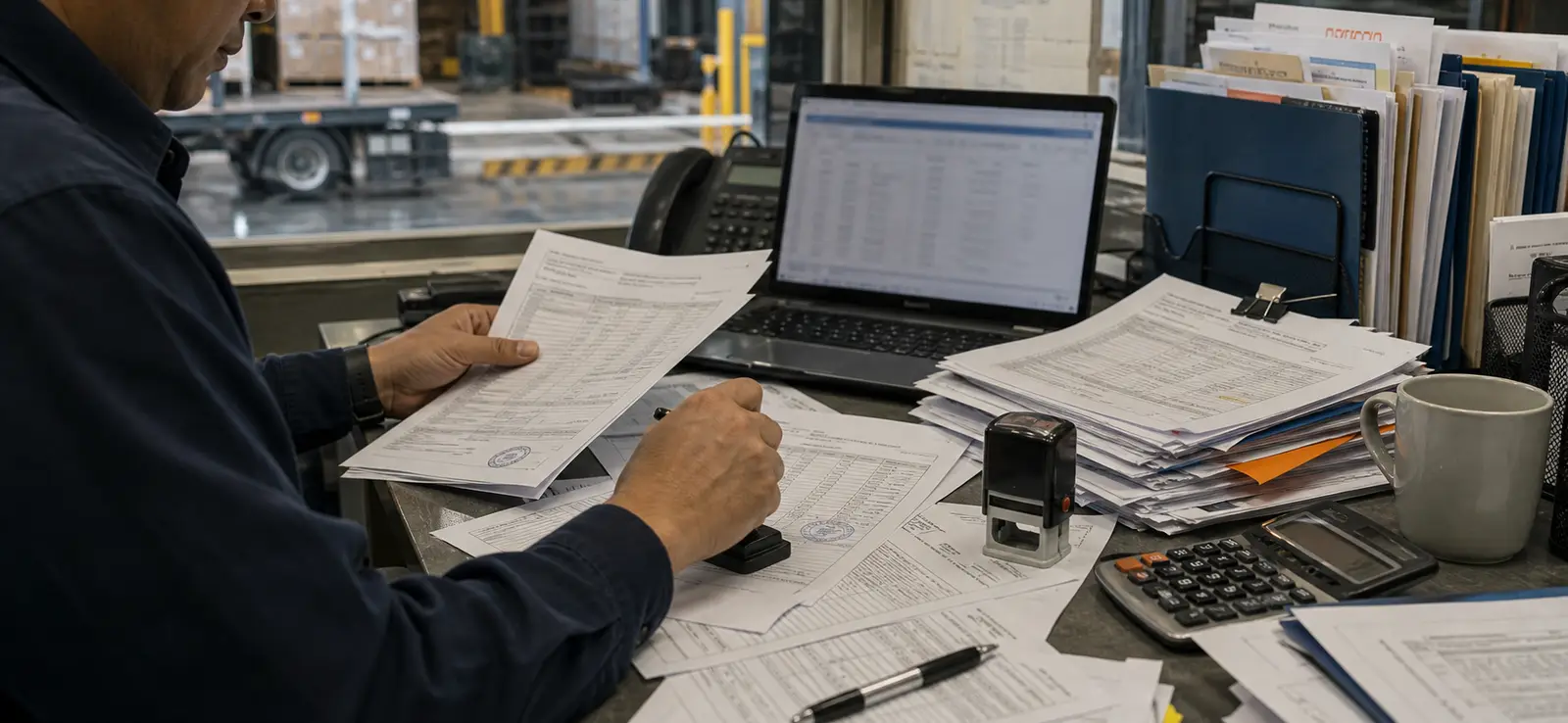
Duty Drawback: Recover Up to 99% of US Import Duties
Duty drawback refunds up to 99% of the duties, taxes, and fees you paid on imports that later leave the US. This guide covers who qualifies, the three drawback types, the 5-year deadline, and how licensed customs broker partners file claims.
FTZ vs Bonded Warehouse: Which Defers More Duty?
A Foreign-Trade Zone and a bonded warehouse both let duty wait while your goods sit. They differ on which rate you pay, how long you can wait, and what you may do with the cargo. This guide runs the comparison with the 2026 tariff rules in view.
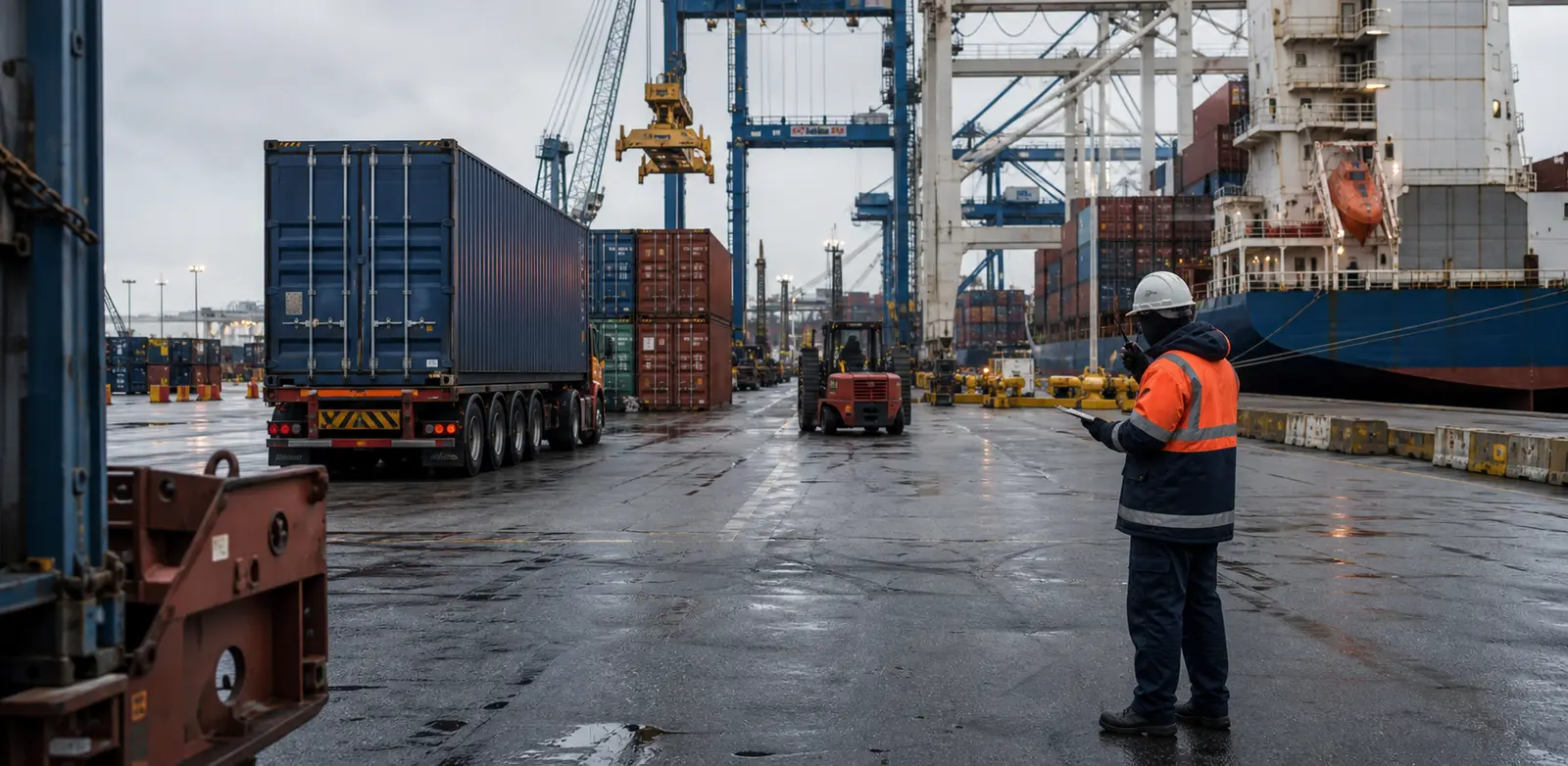
How Ocean Freight Works: The Process from Quote to Delivery
Ocean freight moves your cargo by ship, in a container you fill alone (FCL) or share with other shippers (LCL). The process runs in eight steps: quote and booking, pickup, export clearance, port handling, ocean transit, import clearance, destination handling, and delivery. This guide walks you through each step, the people involved, and the documents you will need.
Ocean Freight Peak Season: Calendar, Surcharges & Booking Strategy
Ocean freight peak season runs from August through October, with a second rush before Chinese New Year. This guide walks through the full annual calendar, explains GRI and PSS charges, and shows how early to book by mode. Use it to keep cargo moving while everyone else scrambles for space.

Supply Chain Disruptions in 2026: Dated Notices & Shipment Decisions
Evidence reviewed on 12 September 2026. Read selected Red Sea, Panama Canal and port labor developments by date and scope. Use them to frame questions about your shipment; this page does not show live vessel or terminal status.
DDP Incoterms: Delivered Duty Paid Explained
DDP (Delivered Duty Paid) puts freight, import clearance, duties and taxes on the seller through delivery at the named place. The buyer handles unloading.
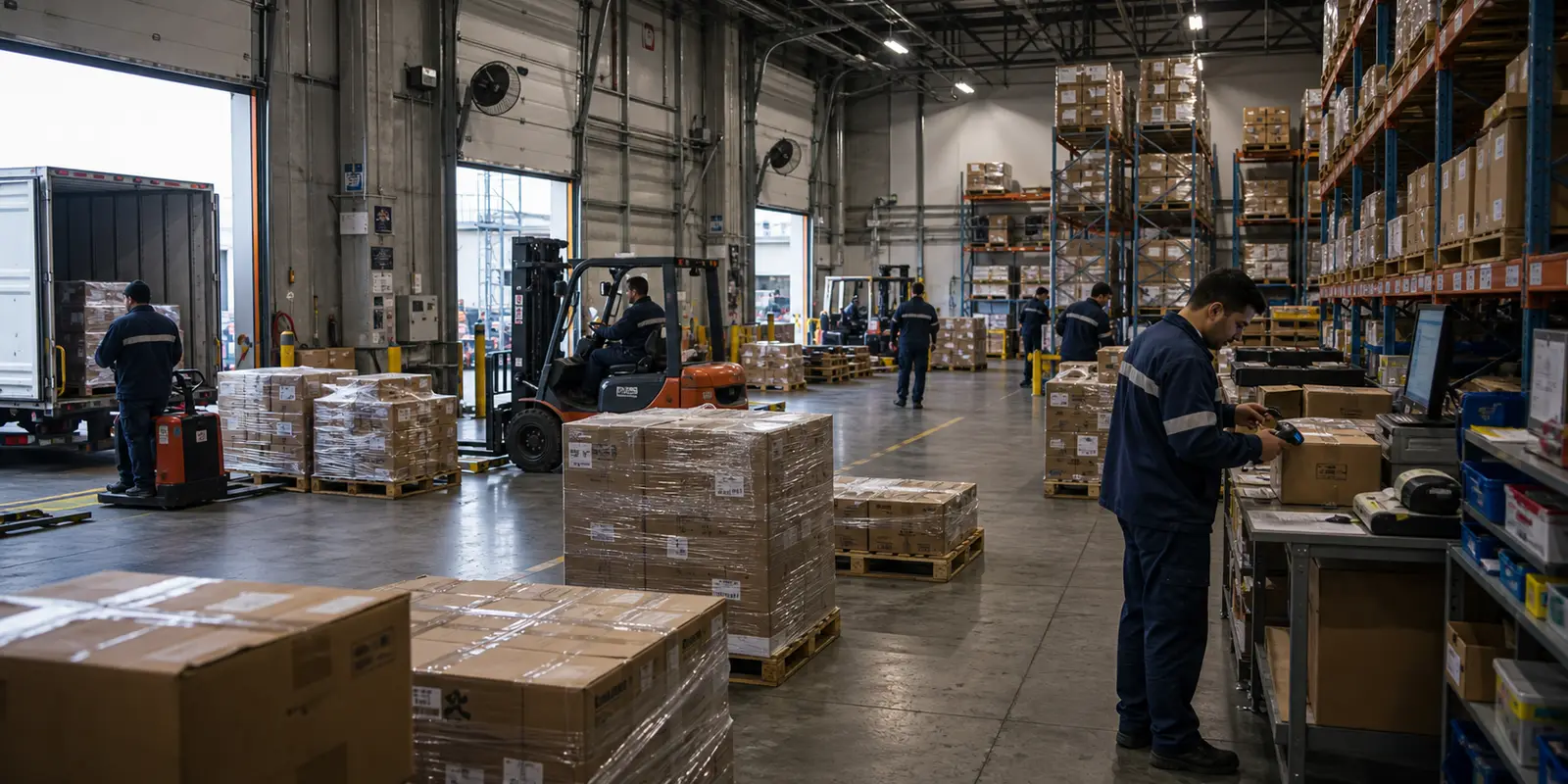
Bonded Warehouses: Defer Duty, Protect Cash Flow
A customs bonded warehouse lets you store imported goods without paying duty until you actually need them. In a high-tariff market, that timing shift can free serious working capital. This guide covers how bonded storage works, what it costs, and when it beats an FTZ or a standard warehouse.
Demurrage and Detention: Stop Paying for Idle Containers
Demurrage and detention charges punish every day your container sits idle. Rates typically run $150 to $450 or more per container, per day, and they escalate fast. This guide explains what each charge means, where it accrues, and eight practical ways to keep your invoice at zero.
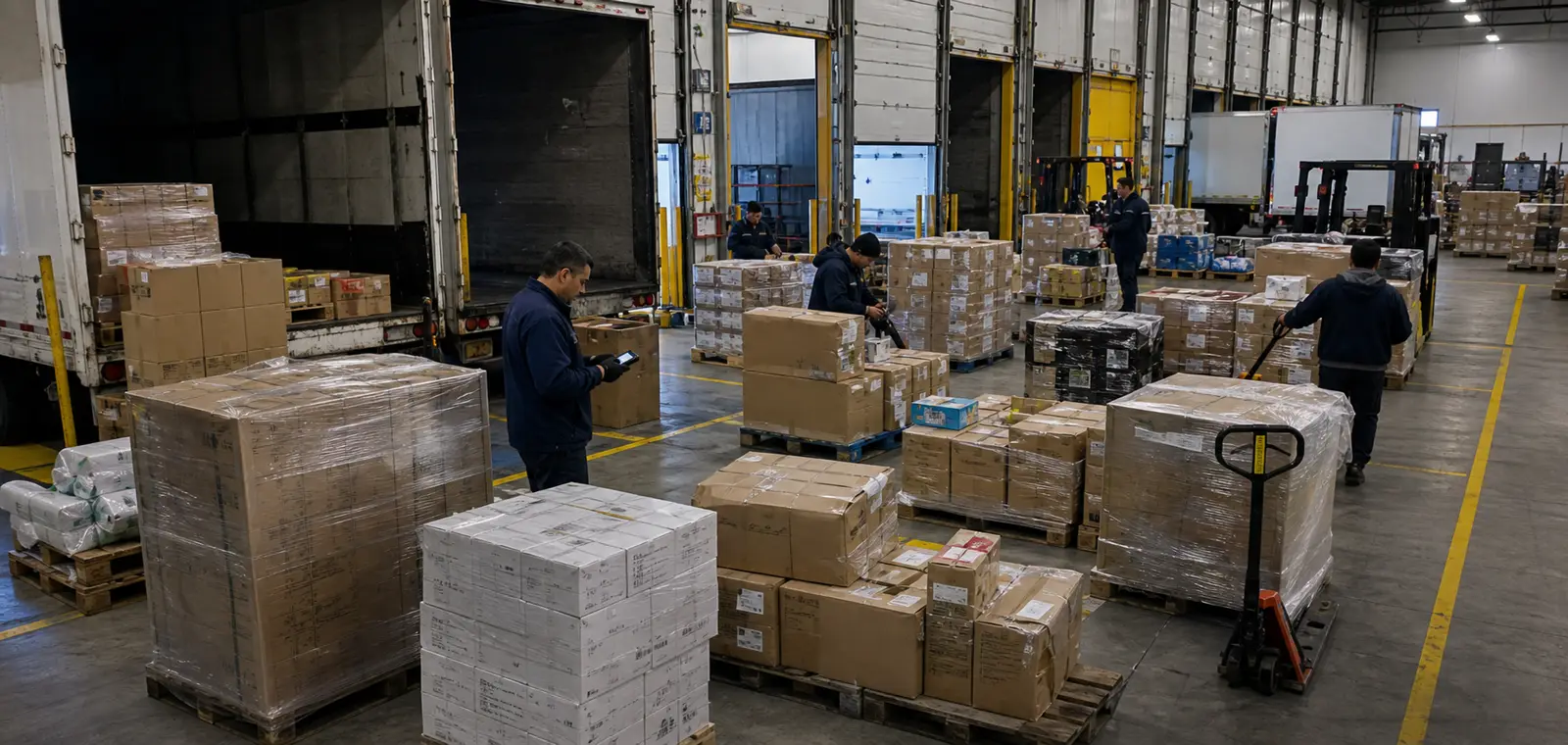
Freight Class Explained: The NMFC Guide for LTL Shippers
Freight class decides what you pay for every LTL shipment in the US. Get the class wrong, and the carrier re-bills you at a higher rate plus a fee. This guide covers all 18 classes, the four factors behind them, and a simple way to calculate your density.
HS Code Classification: How to Find the Right Code
Every product that crosses a border needs an HS code. That code sets your duty rate, your tariff exposure, and your audit risk. This guide explains how the system works and how to classify any product step by step — no customs background required.
ISF Filing: The Complete 10+2 Guide for US Importers
Every ocean shipment bound for the United States needs an Importer Security Filing before the container is loaded at origin. Miss the 24-hour deadline and CBP may assess up to $5,000 per violation — plus holds and exams that cost far more. This guide walks you through every data element, deadline, and filing step.
Ocean Freight Surcharges: Every Fee on Your Invoice, Decoded
Your base ocean rate is often less than half of the final invoice. BAF, LSS, THC, GRI, PSS — carriers stack surcharges with little explanation. This guide decodes each one, shows typical mid-2026 ranges, and teaches you to compare quotes line by line.
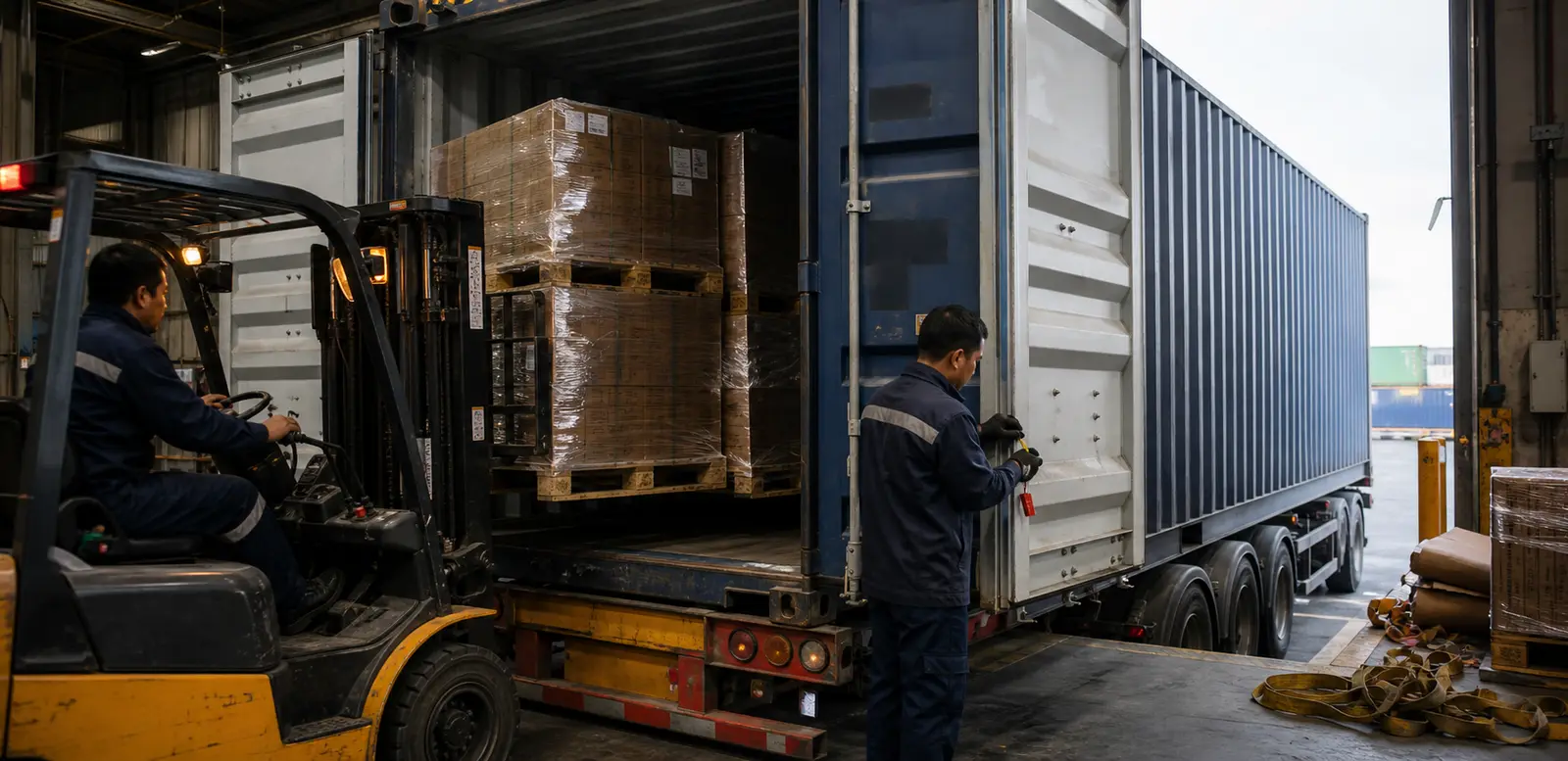
Shipping Container Sizes: The Complete Dimensions Guide
Every container looks the same from the dock, but the wrong choice costs real money. This guide covers the exact dimensions of 20ft, 40ft, and High Cube containers, plus pallet counts for each. It also shows which specialized box to book when standard equipment will not do.
Telex Release vs Original B/L: Which Release Method Fits Your Shipment?
A telex release lets your buyer collect cargo without paper documents. An original bill of lading keeps the cargo locked until the seller gets paid. Pick the wrong one and you either delay your container or lose control of your goods. This guide shows you exactly when to use each method.
Shipping Amazon FBA Inventory from China to USA: Complete 2026 Playbook
China to USA is the world's highest-volume FBA import lane. Hundreds of thousands of Amazon sellers source from Chinese factories, and ship to US fulfillment centers every week. This playbook covers every step: supplier coordination, export clearance, picking ocean or air, US customs, and the final mile to the FC.
Amazon FBA Shipping Cost Breakdown: Every Line Item Explained (2026)
FBA sellers lose margin not on the big, obvious costs — but on the fees they never saw coming. This breakdown covers all 9 cost groups in FBA inbound shipping. It includes sample math for a 20ft FCL shipment, and a 5 CBM LCL shipment, both from China to a US fulfillment center.
Amazon FBA Freight Forwarder Guide: Ship Inventory to FC Without Losing Your Margin
Every dollar you lose to delays, wrong Incoterms, or missed customs holds comes right out of your FBA margin. This guide walks you through the full workflow — from the factory floor to the Amazon dock. Use it to pick the right forwarder, and protect your landed cost.
Shipping to Amazon FBA in the USA: 2026 Guide for Importers
Shipping to an Amazon fulfillment center in the US is not like shipping to a normal warehouse. Amazon runs strict receiving rules — wrong labels, missed appointments, and pallet errors all mean refusals. This guide walks you through the full inbound process, step by step, so your goods land in FBA stock without a hiccup.
CIF Incoterms: Cost, Insurance & Freight Explained
CIF (Cost, Insurance and Freight) is an Incoterm rule where the seller pays for ocean freight and cargo insurance, all the way to the destination port. But risk still passes to the buyer once goods get loaded on board the vessel at the origin port — not when they arrive. CIF is one of the most-used Incoterms for sea freight, especially in commodity trade. This guide covers who does what, real cost examples, CIF vs FOB, and when CIF is the right pick for your shipments.
CPT Incoterms: Carriage Paid To Explained
CPT (Carriage Paid To) is an Incoterm where the seller pays freight costs to a named destination, but risk transfers to the buyer the moment goods are handed to the first carrier at origin. This split between cost and risk is what makes CPT unique — and what causes the most confusion. This guide covers every obligation, real cost examples, and when CPT is better than CIF, CIP, or DAP.
DAP Incoterms: Delivered at Place Explained
DAP (Delivered at Place) is an Incoterm. Under this rule, the seller delivers goods to a named place. The goods must be ready to unload. The seller pays every cost and carries all risk up to that point. The buyer takes over from there and handles import customs, duties, taxes, and unloading. DAP is a popular choice for B2B imports. It gives buyers a price that is close to a full door price, while buyers still stay in control of their own customs work.
FCA Incoterms: Free Carrier Explained
FCA (Free Carrier) means the seller clears goods for export and delivers them to the buyer's carrier at the named place. From that handoff, the buyer takes the cost and risk; FCA works for every transport mode.
FOB Destination vs DDP: Two Terms, Two Legal Systems
FOB Destination and DDP both mean the seller pays freight to the buyer's location. But the two terms come from two different rule books. FOB Destination is a US home-market term set by the Uniform Commercial Code (UCC Article 2). DDP (Delivered Duty Paid) is a world-trade term from the ICC Incoterms 2020 rules. Pick the wrong one in a contract, and gaps can appear. You may face unclear insurance cover, unclear duty risk, and legal fights no one saw coming.
FOB Incoterms: Free on Board Explained
FOB (Free on Board) is the most widely used Incoterm in global sea freight. The seller handles export clearance and delivers goods on board the vessel at the named port of shipment. Once the goods are loaded, all costs and risks transfer to the buyer. FOB gives importers full control over ocean freight, carrier selection, and insurance — which is why it dominates B2B trade from China, India, and Southeast Asia.
Amazon Freight Forwarding: Beyond FBA Shipping
Amazon sellers face their own set of logistics challenges. Strict FBA prep rules, tight warehouse receiving windows, and the constant push to stay in stock without overstocking, all add real pressure. This guide explains how freight forwarding works for Amazon sellers. It shows you how to pick a forwarder who gets e-commerce. And it shows you how to cut shipping costs while you stay Amazon-compliant.
Best Freight Forwarding Companies 2026: How to Evaluate & Choose
Search for the 'best freight forwarding company' and you get millions of results and dozens of top-10 lists. But the best fit for a Fortune 500 retailer looks nothing like the best fit for a first-time importer. This guide gives you a real way to judge and pick the right freight forwarder for your needs, volume, and trade lanes.
Customs Broker Fees 2026: Complete Cost Breakdown
Customs broker fees run $150–$400+ per formal entry in 2026. Government fees come on top: the Merchandise Processing Fee (0.3464% of value), a Harbor Maintenance Fee on ocean imports, plus bonds and duties. This guide breaks down every line so you can budget right and compare itemized quotes.
DDP vs DAP Incoterms: Which Is Right for You?
DDP and DAP differ mainly on import clearance and duties: the seller handles them under DDP; the buyer handles them under DAP. Under both, the seller carries transport cost and risk to the named place.
Digital Freight Forwarding: What It Is & How It Works
Digital freight forwarding is the fastest-growing part of the logistics industry today. Search interest has jumped 700% since 2024, and it keeps climbing. But what does 'digital' really mean for shipping your goods? This guide walks you through how digital platforms work. You'll see where they shine, where they fall short, and how to pick between digital, traditional, and hybrid freight forwarding models.
FCL Container Rates 2026: 20ft & 40ft Costs by Route
A 40ft container from Shanghai costs about US$7,352 to Los Angeles and US$9,726 to New York (Drewry WCI, September 10, 2026). Below are prices by container size and route, plus the charges outside the ocean rate.
Freight Forwarding for Small Business: The Complete Beginner's Guide
Are you a small business, and is this your first time importing? The logistics world can feel like a lot. Incoterms, customs bonds, HS codes, LCL vs FCL, demurrage — it's a lot of new terms at once. This guide explains it all in plain language. Learn when you need a forwarder, what it costs, and how to dodge costly beginner mistakes.
How to Import from China to USA in 2026
China stays the top source of U.S. imports, even with the current tariff climate. The new 12.5% forced-labor duty, the end of de minimis exemptions, and shifting supply chain moves mean importing from China in 2026 takes real planning. This guide covers every step, from finding suppliers to clearing customs, with fresh costs and rules. This duty applies only to covered HTS provisions; product exemptions must be checked.
International Shipping Costs 2026: Complete Rate Guide
International shipping in 2026 costs about $30–$180 per CBM by ocean LCL, $1,200–$7,500 per container by FCL and $2.50–$6.00 per kg by standard air freight. This guide breaks down real 2026 prices by mode and lane, so you can budget, compare options and get better rates.

International Shipping Rates: Ocean vs Air vs Ground
Choosing the right shipping mode is the most impactful logistics decision you'll make. The difference between ocean and air freight on the same route can be 5-8x in cost but 4-6x in speed. This side-by-side comparison of 2026 rates, transit times, and real-world scenarios helps you pick the optimal mode for every shipment.
Ocean Freight Rates 2026: Complete Pricing Guide
A 40ft container from Shanghai costs about US$3,997 to Rotterdam and US$4,216 to Genoa (Drewry WCI, September 10, 2026). LCL from China to the US West Coast runs about US$45–160/CBM (early 2026). Compare the FCL and LCL tables, then add the local costs outside each rate.
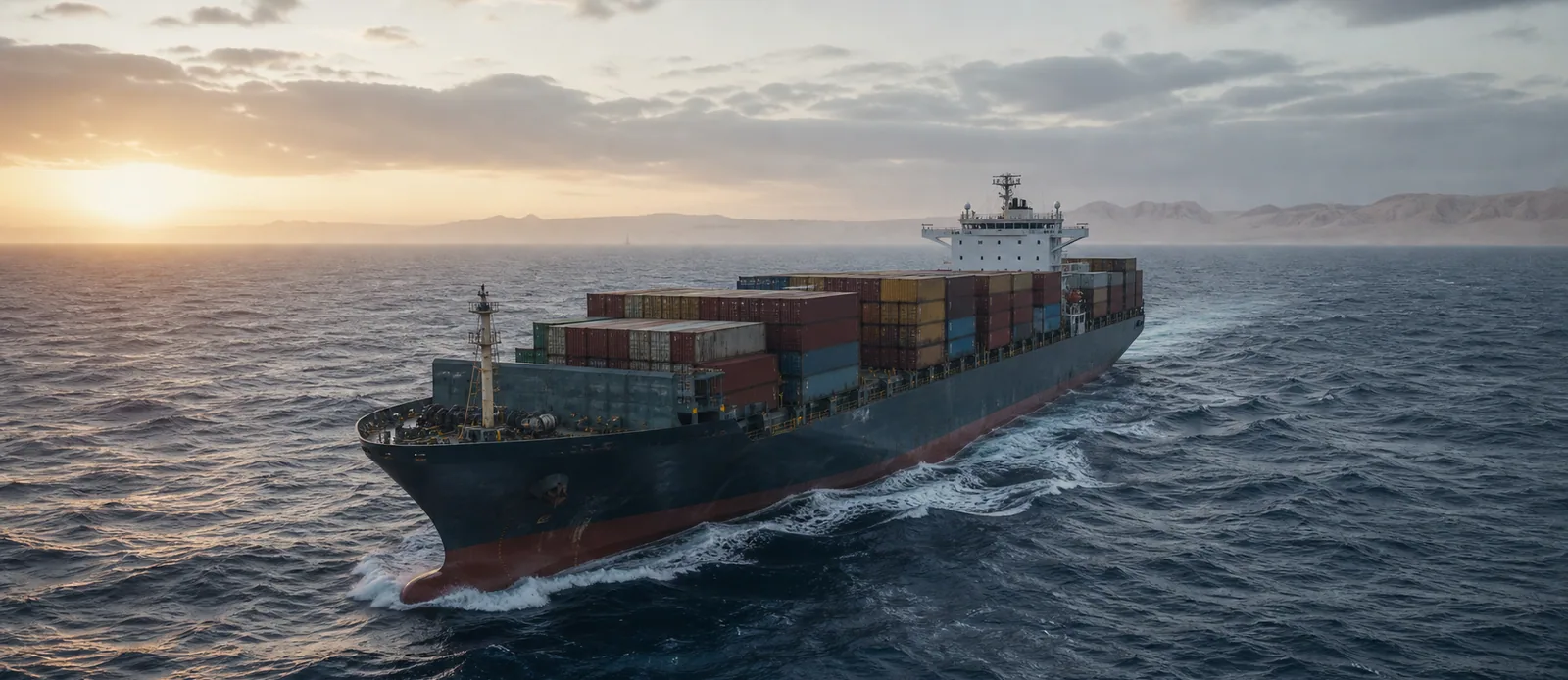
Red Sea Shipping Crisis 2026: Impact on Your Supply Chain
Most Asia–Europe and Asia–US East Coast container services still sail around the Cape of Good Hope in 2026, adding 10–14 days and raising costs. In late August and early September, MSC and Maersk announced the return of only selected Red Sea services. This guide compares affected lanes, extra transit days and contingency options.
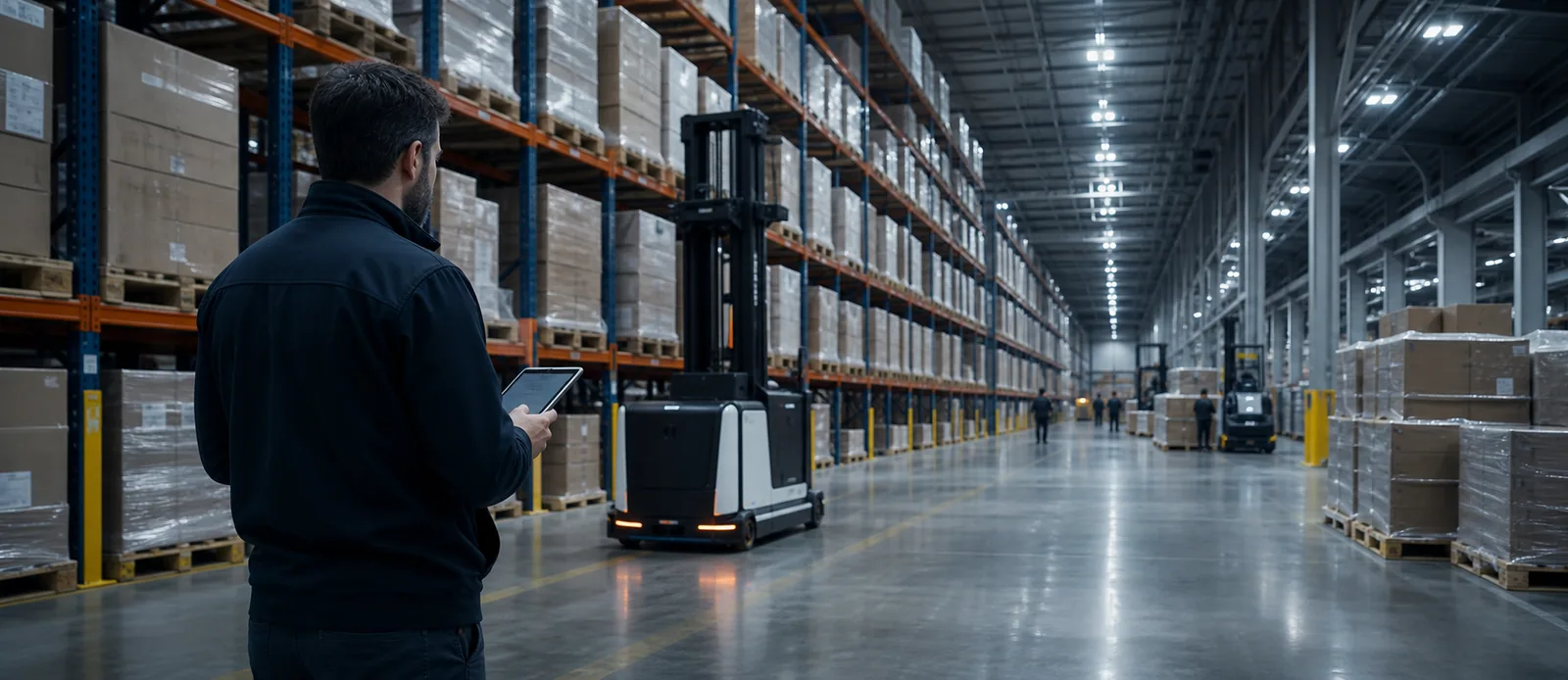
Warehouse Costs 2026: Complete Pricing Guide
Warehousing is often the second-biggest logistics cost after freight, at 20-30% of total supply chain spend. Whether you lease your own space, use a 3PL, or check out fulfillment centers, knowing the real cost of warehouse storage in 2026 helps you make a better call. This guide covers every pricing model, rate gaps by region, and proven ways to cut your warehousing costs.
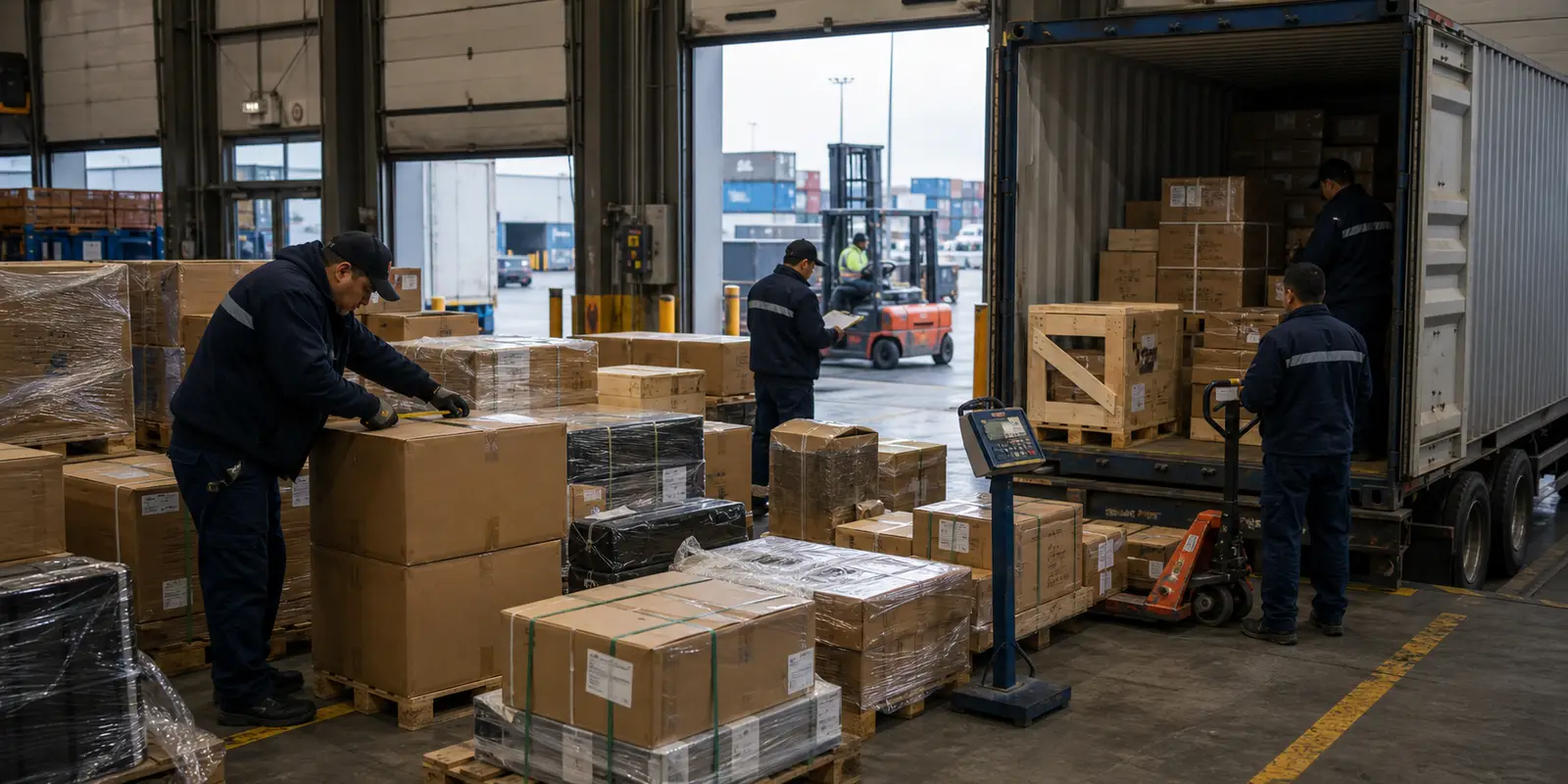
LCL Shipping for E-Commerce & Amazon FBA
E-commerce brands face one tough problem. You need stock on hand to stay competitive, but a full container, 40+ pallets, ties up your cash, and leaves you with excess stock for months. LCL shipping — less-than-container load — splits container space with other shippers instead. It cuts your costs by 40-60%, while it keeps your stock fresh and current.
De Minimis Is Dead: The Complete Survival Guide
The US suspended duty-free de minimis treatment for all countries on August 29, 2025, and changes effective February 24, 2026 continued that suspension. Over 4 million daily parcels once cleared customs duty-free. Now each needs an appropriate formal or informal entry, HTS classification, and duty payment. If you sell or import anything into the US, read this guide.
US Tariffs 2026: Prepare Your Import Review
Start with the product, its origin and the entry date. This guide, reviewed on September 12, 2026, explains which records and official sources support a tariff review, a low-value shipment plan or an IEEPA refund inquiry.
3PL vs Freight Forwarder: Key Differences Explained
Third-party logistics providers and freight forwarders both move goods. But they solve very different problems for you. This guide makes clear what each one does, how they charge, and which one your business really needs.
Amazon FBA Shipping Guide
Shipping to Amazon FBA warehouses ranks as one of the most critical jobs for any private label or wholesale seller. Get it wrong, and you face rejected shipments, stockouts, and thousands in lost sales. This guide covers everything, from sourcing to delivery. Your goal: inventory that arrives on time, stays compliant, and costs as little as possible.
Freight Forwarding for E-commerce & Amazon FBA
You found a great supplier, negotiated your price, and placed your order. Now you need to get thousands of units from a factory overseas to an Amazon warehouse in the US — on time, without breaking the bank, and without customs surprises. That's where freight forwarding comes in.
FCL vs LCL: How to Choose the Right Mode
Choosing the wrong mode between FCL and LCL is expensive. Understand the real differences in cost, transit time, and when each mode makes sense for your operation.
5 Proven Strategies to Reduce Costs in 2026
Logistics costs rising and your margins shrinking? Five practical strategies freight forwarders are using to recover profitability.
Anything you need, we're here to help.
Talk to a real freight coordinator. Pick the channel that fits how fast you need an answer.
Request a quote
Share the route, cargo and timing so the quote can state its scope and exclusions.
Start a quoteTalk now on WhatsApp
Use WhatsApp for route questions, quote follow-up or shipment details.
Open WhatsAppEmail the team
Include your shipment details and preferred contact information.
contact@suaidglobal.com