
Duty Drawback: Recover Up to 99% of US Import Duties
Summary: Duty drawback refunds up to 99% of the duties, taxes, and fees you paid on imports that later leave the US. This guide covers who qualifies, the three drawback types, the 5-year deadline, and how licensed customs broker partners file claims.
What Is Duty Drawback?
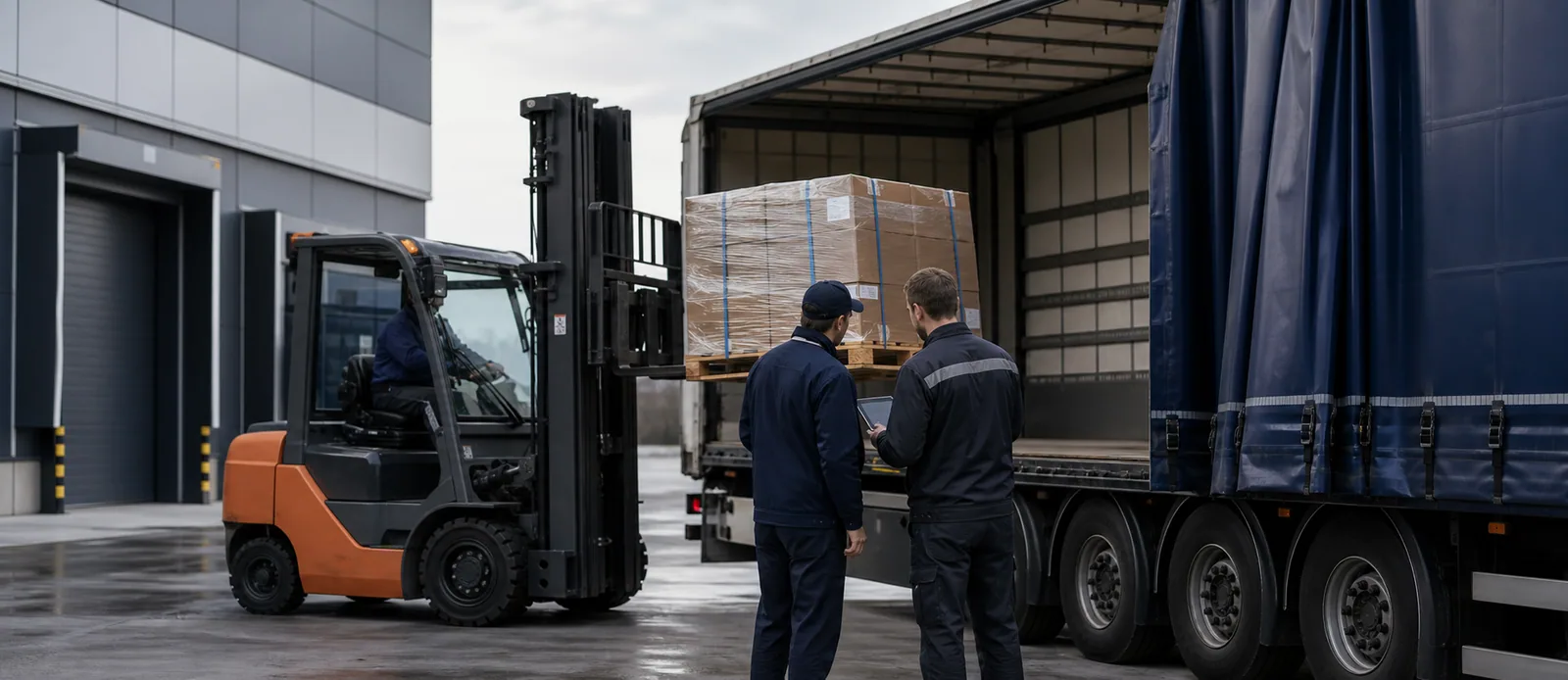
Duty drawback is a refund of duties, taxes, and fees you paid on imported goods. CBP pays it when those goods later leave the US market. You can export them, use them to make an exported product, or destroy them under CBP supervision. The refund runs up to 99% of what you paid at import.
The program sits in US law at 19 U.S.C. 1313. Congress rebuilt it through the Trade Facilitation and Trade Enforcement Act (TFTEA). CBP wrote the modern rules into 19 CFR Part 190, the Modernized Drawback rule.
TFTEA made drawback far more usable. It loosened the substitution rules, so exports no longer need to match imports unit for unit. It cut the records burden. It set one filing timeline: 5 years. And it made every claim electronic.
Why does this matter now? Tariff exposure is a board-level topic for US importers in 2026. If part of your duty-paid inventory leaves the country again, you may be leaving money with CBP. Drawback is the legal tool for taking it back.
Who Qualifies for Duty Drawback?
Drawback is not just for giant exporters. If imported goods leave the US in any of the ways below, a claim may exist. Check the list against your own flows.
- You import and re-export the same goods. Warehouse hubs do this all the time. Goods that arrive, sit in storage, and ship abroad unused can qualify for unused merchandise drawback.
- You import parts and export finished products. Manufacturing drawback covers imported inputs used to make articles that are later exported or destroyed.
- You export substitute goods. Under TFTEA substitution, the export does not need to be the very unit you imported. Goods classified under the same 8-digit HTS subheading can qualify.
- Your goods arrived defective or wrong. Rejected merchandise drawback covers goods that fail to match the sample or the specs, arrive without your consent, or arrive defective.
- You destroy unsold stock. Destruction under CBP supervision can support a claim. That includes returned e-commerce stock you cannot resell.
- Another party does the exporting. Even when your buyer ships the goods abroad, a claim may still exist somewhere in the chain. A licensed customs broker partner can map who is in position to file.
The Three Main Types of Duty Drawback
Most claims fall into three statutory types. Each has its own subsection of 19 U.S.C. 1313 and its own conditions. The table shows the shape; the sections below add the detail.
| Drawback type | Statute | What qualifies | Core time limit |
|---|---|---|---|
| Unused merchandise | 19 U.S.C. 1313(j) | Imported goods exported or destroyed without being used in the US | Export or destroy within 5 years of import |
| Manufacturing | 19 U.S.C. 1313(a) and (b) | Imported inputs used to make articles that are exported or destroyed | Substitution use within 5 years of import |
| Rejected merchandise | 19 U.S.C. 1313(c) | Non-conforming, unauthorized, or defective imports sent back or destroyed | Claim within 5 years of import |
| All claims | 19 U.S.C. 1313(r) | Filed electronically in CBP's ACE system | File within 5 years of the import date |
Type 1: Unused Merchandise Drawback
Unused merchandise drawback under 19 U.S.C. 1313(j) is the most common entry point. You import goods, you do not use them in the United States, and you export or destroy them. The statute requires the export or destruction within 5 years of the import date.
"Unused" is strict but practical. The statute treats operations such as testing, cleaning, and repacking as incidental — they do not amount to use. Putting the goods into actual service in the US does. Storage alone is not use.
Substitution under 1313(j)(2) widens the door. You can export goods of the same kind instead of the exact imported units. TFTEA set the match at the 8-digit HTS subheading level. That is what makes drawback workable for high-volume trade flows, where units mix on the shelf.
One caution on substitution: CBP applies a "lesser of" value rule. When the substituted merchandise is worth less than the imported merchandise, the refund is limited by that lower value. Licensed customs broker partners model this before filing, so the claim is sized honestly.
Type 2: Manufacturing Drawback
Manufacturing drawback covers imported materials that become exported products. Direct identification under 1313(a) refunds duties when the exported article was made with the specific imported merchandise. The article must not be used in the US before export or destruction.
Substitution manufacturing under 1313(b) is broader. It lets production draw on substitute materials classified under the same 8-digit HTS subheading. The statute requires the merchandise to be used in manufacturing within 5 years from the date of import.
Manufacturing claims run under a CBP drawback ruling that describes the production process. Licensed customs broker partners prepare the ruling and tie the bill of materials to each claim line.
The math can be large. Say a plant pays $80,000 a year in duties on imported components, and half its finished goods ship abroad. At the statutory 99% rate, the duties tied to the exported half support a refund of up to $39,600 per year.
Type 3: Rejected Merchandise Drawback
Rejected merchandise drawback under 1313(c) covers imports that went wrong. Three cases qualify. The goods do not conform to sample or specifications. They were shipped without the consignee's consent. Or they were defective at the time of import.
The remedy is the same up-to-99% refund after the goods are exported or destroyed. The claim must be filed within 5 years of the import date.
This type matters for retail and e-commerce returns. A shipment that fails inspection does not have to be a total loss. Document the defect, export or destroy the goods under CBP supervision, and the duties can come back.
What a Claim Is Worth: A Worked Example
Drawback value comes down to three questions. How much duty did you pay? What share of those goods left the US again? And can you document the link between the two? Here is a worked example with round numbers.
Every figure below except the 99% rate is just an example. The rate comes from the statute. The rest depends on your own import and export flows.
| Line | Amount |
|---|---|
| Duties, taxes, and fees paid on imports (5-year lookback) | $500,000 |
| Share of those goods later exported or destroyed | 40% |
| Duties tied to the exported goods | $200,000 |
| Statutory drawback rate (19 U.S.C. 1313) | 99% |
| Potential refund | $198,000 |
Section 301, Section 232, and Which Duties Qualify
Not every tariff behaves the same inside a drawback claim. CBP has confirmed the two rules that matter most in 2026. Section 301 duties are eligible for drawback. Section 232 duties are not.
CBP's guidance in CSMS 19-000050 spells this out. Section 301 and Section 201 duties are refundable in full on pre-TFTEA substitution claims. On TFTEA substitution claims they are refundable subject to the lesser-of value rule. Every claim must report the Chapter 99 HTSUS number alongside the regular Chapter 1-97 number.
Section 232 duties on steel and aluminum sit outside the program. CBP states they remain ineligible for refund under all circumstances. If your tariff bill is mostly Section 232, drawback will not recover it. Model the split first — the tariff simulator helps with a quick pass.
Regular duties, taxes, and fees follow the statute's base rule: refunds run up to 99% of what was paid. For the wider tariff landscape and what stacked rates mean for your landed cost, see the US tariffs 2026 guide.
How to File a Drawback Claim, Step by Step
Filing is technical, but the sequence is stable. Licensed customs broker partners run the CBP-facing steps. You supply the records. Here is how a first claim comes together.
- Size the refund first: Pull your import history and total the duties, taxes, and fees paid over the past 5 years. Then map which goods were exported or destroyed. This sizing step decides whether a claim is worth the setup.
- Pick the drawback type: Unused, manufacturing, or rejected merchandise — the facts choose the type. Licensed customs broker partners match your flows to the right subsection of 19 U.S.C. 1313 and flag substitution options.
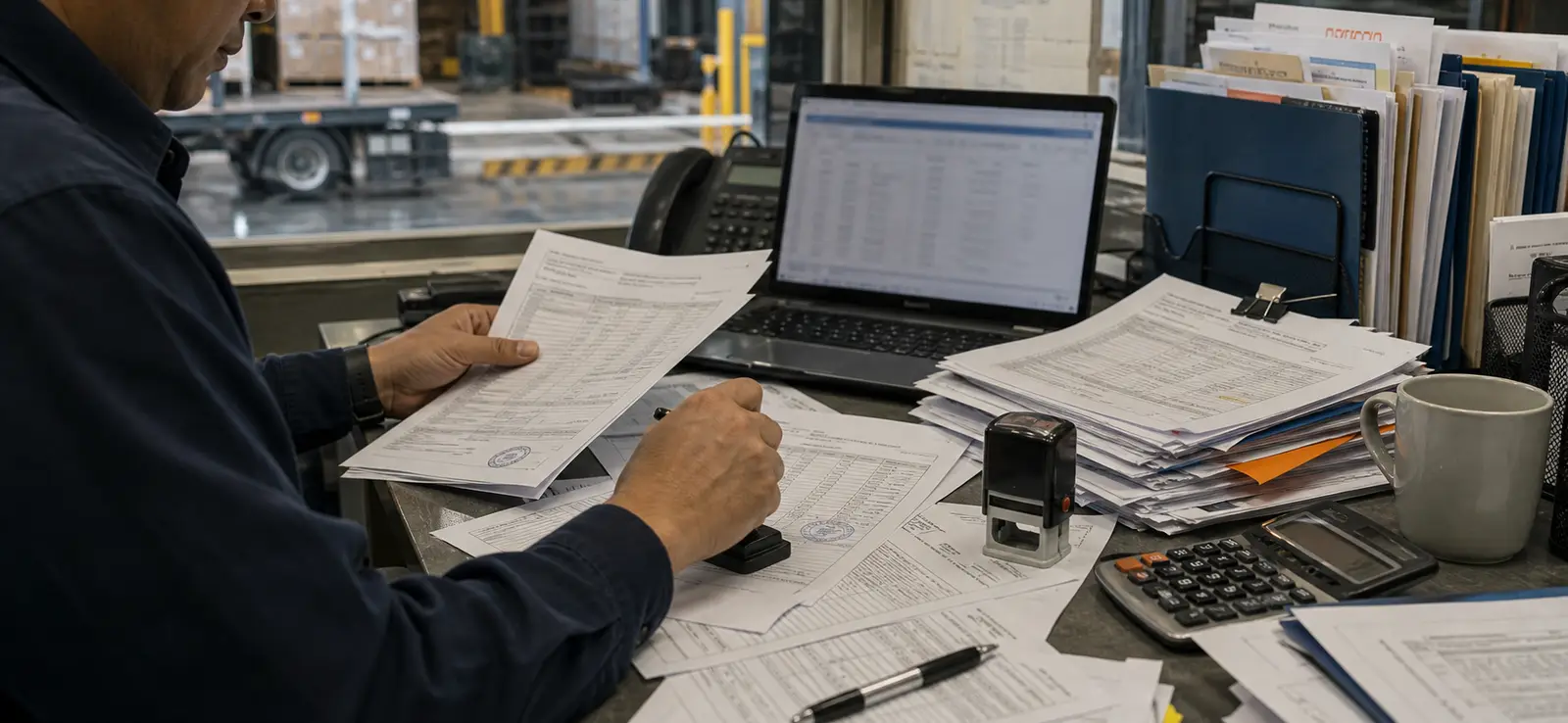
- Build the import-export trace: Every claim line ties an import entry to an export or destruction event. Gather entry summaries, commercial invoices, packing lists, and proof of export. The customs documents checklist covers the core papers.
- Apply for privileges and rulings: Broker partners can request accelerated payment under 19 CFR 190.92, which pays approved claims sooner and requires a drawback bond. Manufacturing claims also need a drawback ruling before filing.
- File electronically in ACE: All drawback claims are filed online in CBP's ACE system. Claims with Section 301 duties must list the Chapter 99 tariff number next to the regular HTS number. A licensed filer submits and tracks the claim.
- Keep records and answer CBP: CBP can verify claims and request backup. Keep the full trace tidy and respond on time. Clean records are what separate paid claims from abandoned ones.
Common Duty Drawback Mistakes to Avoid
Most failed claims fail the same way. These are the gaps that cost claimants the most.
- Missing the 5-year clock. The filing deadline runs from the import date, not the export date. Claims not completed within 5 years are considered abandoned. Old entries age out every month you wait.
- Assuming every tariff qualifies. Section 232 duties are not refundable. Check which duties qualify first, so the business case rests on money that can truly come back.
- No import-export link. The most common gap is records. Each export must trace back to a duty-paid import, or to substitute goods under the same 8-digit HTS code. If it cannot, the claim has nothing to stand on.
- Using the goods before export. Unused merchandise drawback requires goods that were not used in the US. Testing, cleaning, and repacking are incidental; putting goods into service is not.
- Forgetting destruction claims. Unsellable returns and expired stock can still carry value. Destruction under CBP supervision preserves the refund; quiet disposal destroys it.
- Going in without licensed help. Drawback filing is a specialist trade. A licensed customs broker files the claim and answers CBP if questions come. Budget for that cost — see the guide to customs broker fees — and weigh it against the refund.
Deadlines and Rules at a Glance
One timeline drives almost every rule in drawback. Here are the statutory checkpoints in one place.
| Checkpoint | Rule |
|---|---|
| Export or destroy (unused merchandise) | Within 5 years of the import date — 19 U.S.C. 1313(j) |
| Use in manufacturing (substitution) | Within 5 years of the import date — 19 U.S.C. 1313(b) |
| Rejected merchandise claim | Within 5 years of the import date — 19 U.S.C. 1313(c) |
| File the drawback claim | Within 5 years of the import date; late claims are abandoned — 19 U.S.C. 1313(r) |
| Filing channel | Electronic, in CBP's ACE system — 19 CFR Part 190 |
| Refund rate | Up to 99% of duties, taxes, and fees — 19 U.S.C. 1313 |
Where Drawback Fits in Your Tariff Strategy
Drawback is one lever among several. Bonded warehouses and foreign-trade zones defer or avoid duties before they are paid. Drawback recovers duties after the fact. Many importers combine the two — see the bonded warehouse guide for the deferral side.
The starting point is always the same: know what you paid, and know what left the country. From there, the 5-year window is generous and the statute does the heavy lifting. Suaid Global coordinates drawback reviews through licensed customs broker partners, alongside the wider customs clearance process.