

Technology insights
Logistics and supply-chain content for Technology — practical articles.
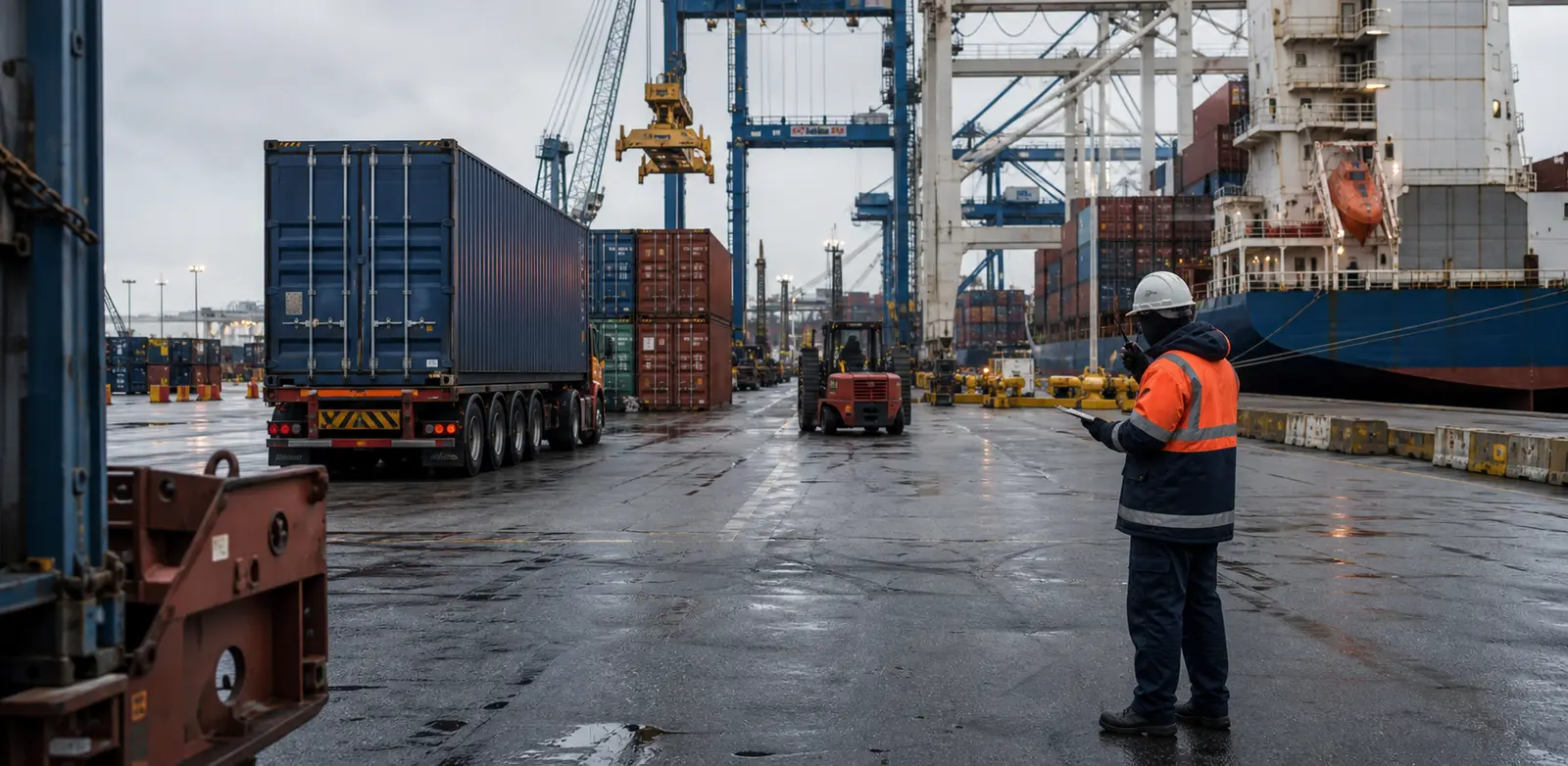
How to Import from India to USA in 2026
India ranks among the largest sources of US imports. It ships everything from generic drugs and diamonds to cotton apparel and machine parts. Maybe you're planning your first purchase order from an Indian supplier. Or you're moving part of your sourcing out of China. Either way, this guide covers the full process — costs, transit times, tariffs, documents, and customs clearance.
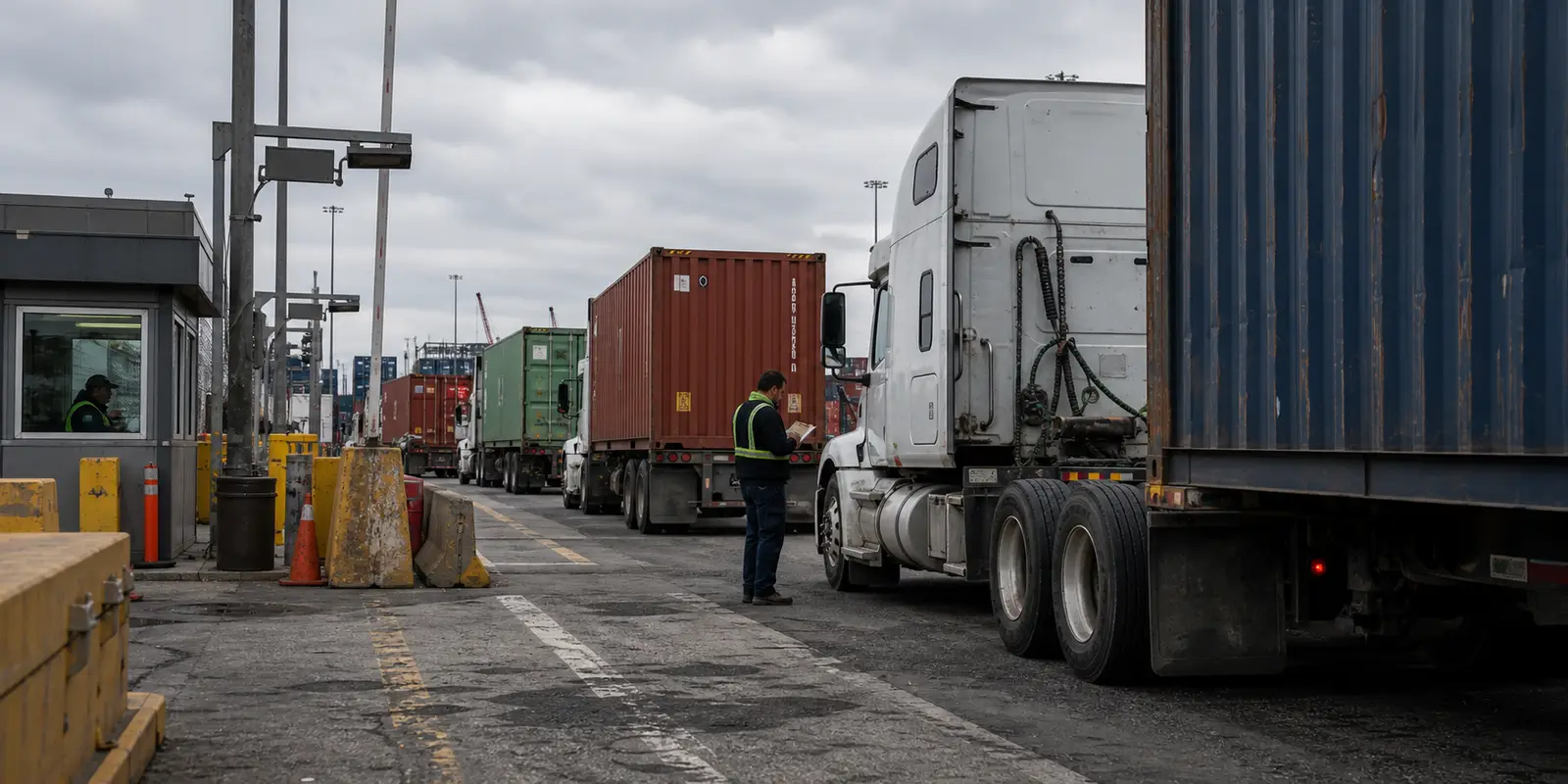
How to Import from Mexico to the USA
Mexico is the United States' largest trading partner, and most of that freight moves on wheels. Trucks cross the border in days, not weeks. USMCA can cut your duty bill to zero — if your goods qualify and your paperwork holds up. This guide walks through the full import process: shipping modes, border crossings, USMCA rules, documents, customs clearance, and fees.
How to Import from Vietnam to USA in 2026
Vietnam is now one of the largest sources of U.S. imports. Factories there make electronics, apparel, footwear, furniture, and much more. Maybe you're sourcing from Vietnam for the first time. Or you're moving part of a China supply chain there. Either way, this guide covers the full process. It runs from finding suppliers to clearing customs at U.S. ports.
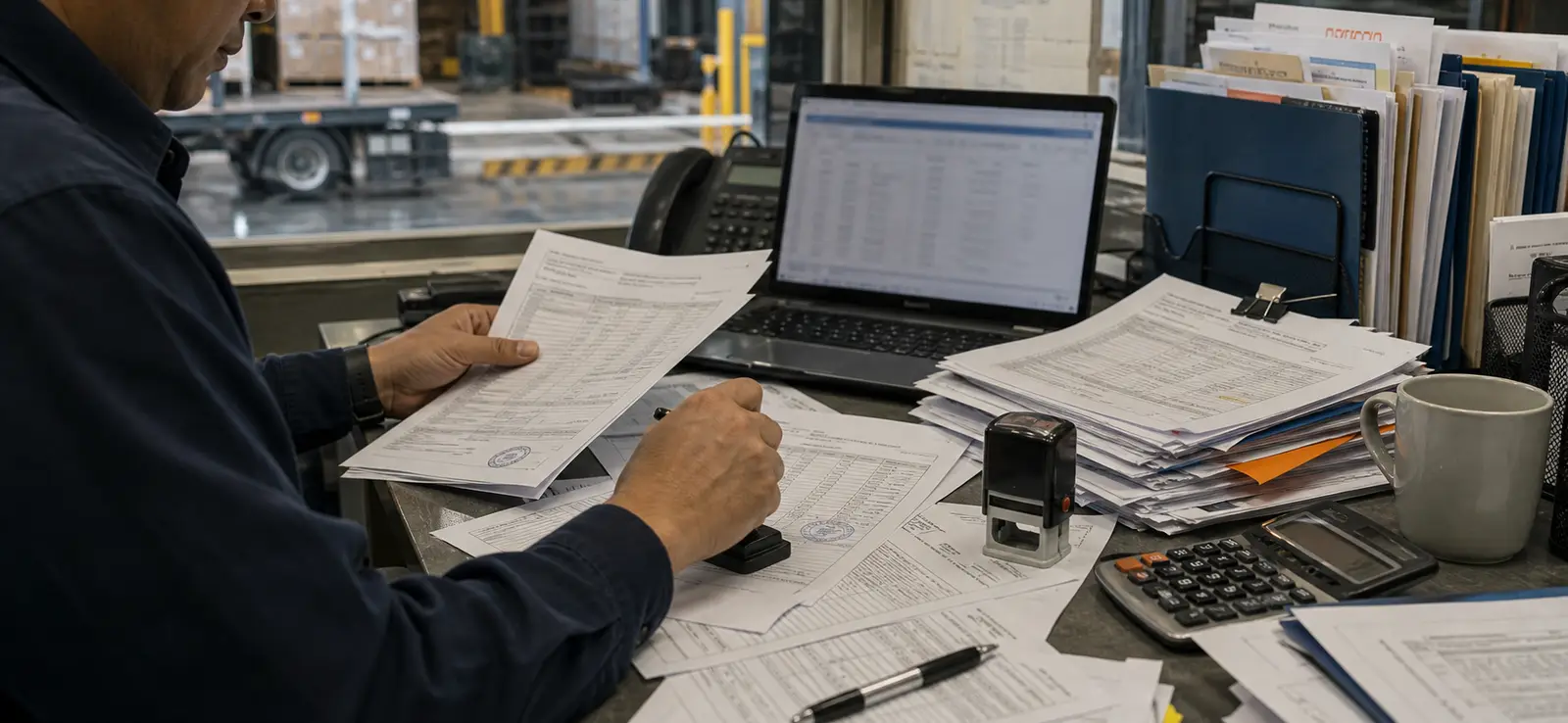
DDP Incoterms: Delivered Duty Paid Explained
DDP (Delivered Duty Paid) puts freight, import clearance, duties and taxes on the seller through delivery at the named place. The buyer handles unloading.
HS Code Classification: How to Find the Right Code
Every product that crosses a border needs an HS code. That code sets your duty rate, your tariff exposure, and your audit risk. This guide explains how the system works and how to classify any product step by step — no customs background required.
CPT Incoterms: Carriage Paid To Explained
CPT (Carriage Paid To) is an Incoterm where the seller pays freight costs to a named destination, but risk transfers to the buyer the moment goods are handed to the first carrier at origin. This split between cost and risk is what makes CPT unique — and what causes the most confusion. This guide covers every obligation, real cost examples, and when CPT is better than CIF, CIP, or DAP.
EXW Incoterms: Ex Works Explained
EXW (Ex Works) puts pickup, export clearance, freight, import clearance and duties on the buyer. The seller only makes the goods available at the named place; for international shipments, FCA often avoids the export-clearance problem.
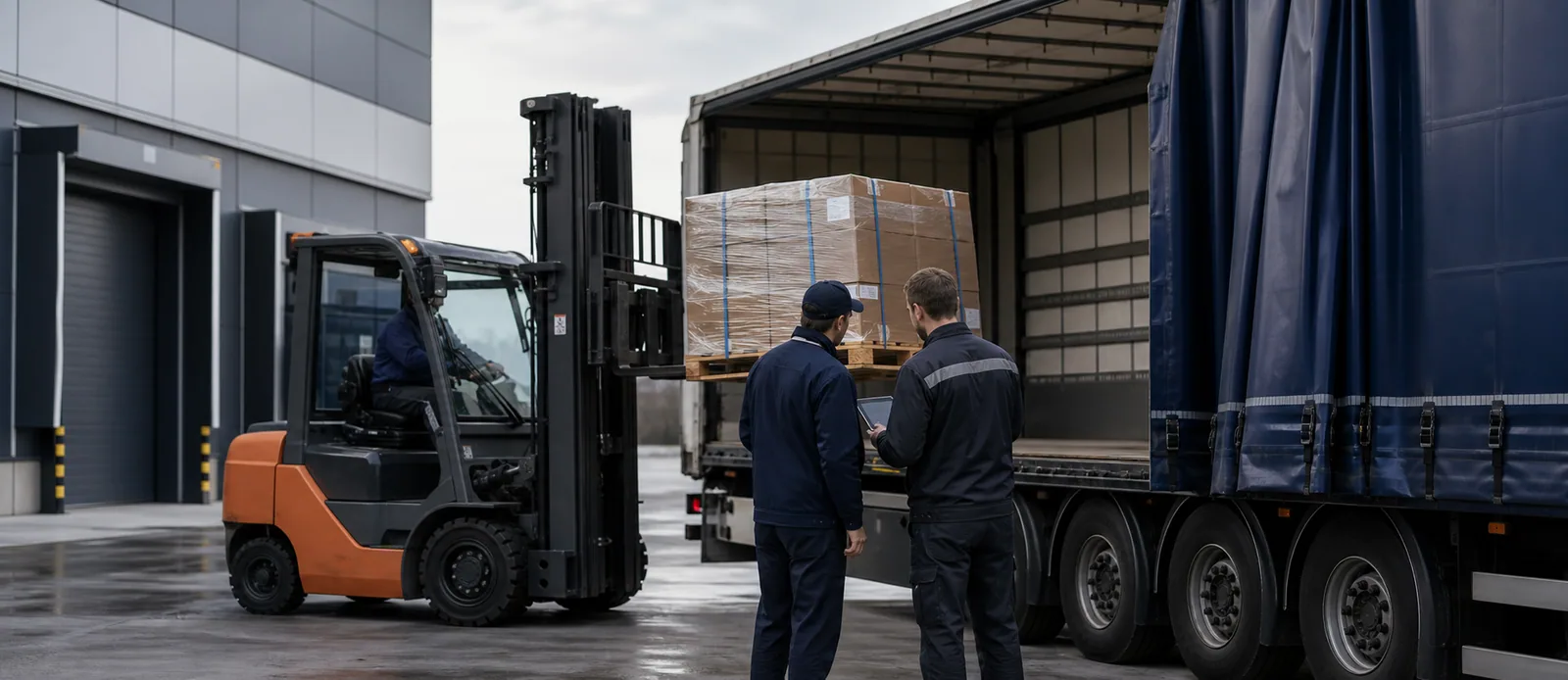
FCA Incoterms: Free Carrier Explained
FCA (Free Carrier) means the seller clears goods for export and delivers them to the buyer's carrier at the named place. From that handoff, the buyer takes the cost and risk; FCA works for every transport mode.
FOB Destination vs DDP: Two Terms, Two Legal Systems
FOB Destination and DDP both mean the seller pays freight to the buyer's location. But the two terms come from two different rule books. FOB Destination is a US home-market term set by the Uniform Commercial Code (UCC Article 2). DDP (Delivered Duty Paid) is a world-trade term from the ICC Incoterms 2020 rules. Pick the wrong one in a contract, and gaps can appear. You may face unclear insurance cover, unclear duty risk, and legal fights no one saw coming.
Best Freight Forwarding Companies 2026: How to Evaluate & Choose
Search for the 'best freight forwarding company' and you get millions of results and dozens of top-10 lists. But the best fit for a Fortune 500 retailer looks nothing like the best fit for a first-time importer. This guide gives you a real way to judge and pick the right freight forwarder for your needs, volume, and trade lanes.
Customs Broker Fees 2026: Complete Cost Breakdown
Customs broker fees run $150–$400+ per formal entry in 2026. Government fees come on top: the Merchandise Processing Fee (0.3464% of value), a Harbor Maintenance Fee on ocean imports, plus bonds and duties. This guide breaks down every line so you can budget right and compare itemized quotes.
Digital Freight Forwarding: What It Is & How It Works
Digital freight forwarding is the fastest-growing part of the logistics industry today. Search interest has jumped 700% since 2024, and it keeps climbing. But what does 'digital' really mean for shipping your goods? This guide walks you through how digital platforms work. You'll see where they shine, where they fall short, and how to pick between digital, traditional, and hybrid freight forwarding models.
How to Import from China to USA in 2026
China stays the top source of U.S. imports, even with the current tariff climate. The new 12.5% forced-labor duty, the end of de minimis exemptions, and shifting supply chain moves mean importing from China in 2026 takes real planning. This guide covers every step, from finding suppliers to clearing customs, with fresh costs and rules. This duty applies only to covered HTS provisions; product exemptions must be checked.
Air Freight vs Ocean 2026: When to Switch Modes
Red Sea disruptions add 10-14 days to ocean routes via the Cape of Good Hope. Air freight rates have held steady, while ocean surcharges keep climbing. The math on when to use air vs ocean has shifted a lot in 2026. This guide shows you exactly when a mode switch saves you money.

China+1 Freight Strategy: Shipping Beyond China in 2026
Tariffs, geopolitical risk, and heavy supply chain concentration are pushing more and more importers to diversify beyond China. But shifting production is only half the battle. Your freight strategy is what actually decides whether China+1 saves you real money. This guide compares real shipping costs, transit times, and landed costs for Vietnam, India, Indonesia, and Mexico. Use it to make your next sourcing decision with real data, not guesswork.
US Tariffs 2026: Prepare Your Import Review
Start with the product, its origin and the entry date. This guide, reviewed on September 12, 2026, explains which records and official sources support a tariff review, a low-value shipment plan or an IEEPA refund inquiry.
Nearshoring to Mexico: The Complete Logistics Guide
China-plus-one is no longer just a theory, not anymore. It's happening right now, all across the region. Mexico has become the #1 US trade partner, passing both China and Canada. A major shift in world trade. This guide covers everything logistics pros need to know about nearshoring to Mexico. Start here. You'll learn where to manufacture, how to ship cross-border, USMCA rules of origin, and the infrastructure that links Mexican factories to US shoppers. All in one place.
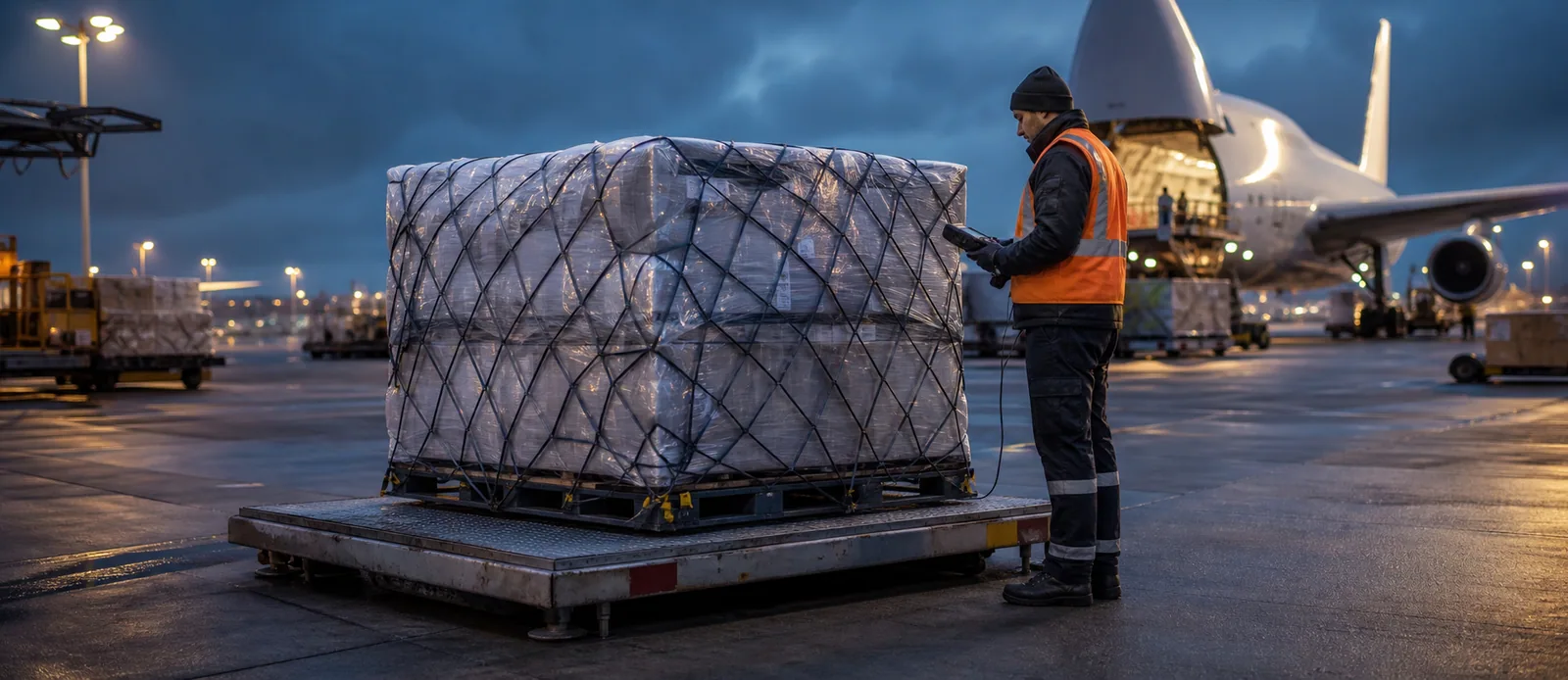
Air Freight Cost per Kg 2026 Rates by Route
Air freight costs about USD 6.30/kg from the Far East to the USA and USD 4.88/kg to Europe, per Freightos. You pay on chargeable weight, so the airports, cargo and service level change the total. Below are the rates by route, how weight is charged and what a complete quote includes.
Anything you need, we're here to help.
Talk to a real freight coordinator. Pick the channel that fits how fast you need an answer.
Request a quote
Share the route, cargo and timing so the quote can state its scope and exclusions.
Start a quoteTalk now on WhatsApp
Use WhatsApp for route questions, quote follow-up or shipment details.
Open WhatsAppEmail the team
Include your shipment details and preferred contact information.
contact@suaidglobal.com