

Beginner insights
beginner-level resources for importers, exporters, and logistics professionals.
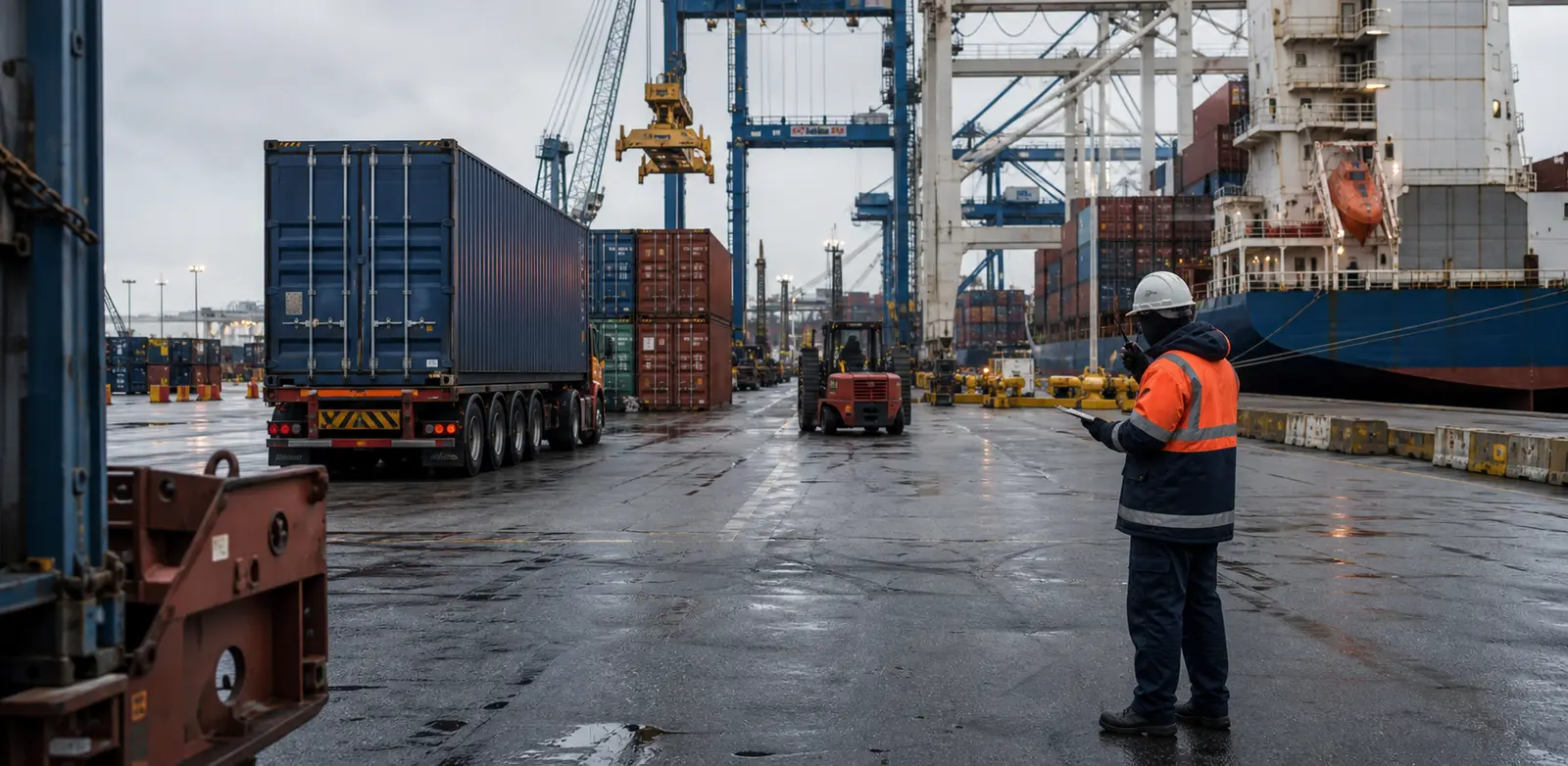
How to compare two freight quotes on equal terms
Compare freight quotes by adding the charges for the same shipment and service scope. Match the route, billing units, dates and exclusions before choosing the lower total. In the synthetic worked example below, Quote B costs US$659, against US$727 for Quote A. B is US$68 cheaper despite its higher ocean rate. If a charge you need has no price, you cannot compare the totals yet.
How Much Does It Cost to Ship from Bangladesh to the USA? What Sets the Price
Shipping from Bangladesh to the USA costs about US$2,200–3,800 for a 20ft container and US$3,300–6,000 for a 40ft, including the feeder to a hub port. LCL runs about US$90–170 per CBM, and air freight about US$3.50–5.50 per kg. At arrival, Clearit lists USD 149.95 per ocean entry, USD 129.95 per air entry and USD 25 handling.
How Much Does It Cost to Ship from Brazil to the USA? What Sets the Price
Shipping from Brazil to the USA costs about US$1,400–2,200 for a 20ft container and US$2,800–4,200 for a 40ft from Santos to Miami. LCL runs about US$55–85 per CBM, and air freight about US$2.50–4.50 per kg. At arrival, Clearit lists ocean customs brokerage at USD 149.95 per entry, plus USD 25 handling. Below you’ll find each cost line and how duties work.
How Much Does It Cost to Ship from China to Brazil? What Sets the Price
Shipping from China to Brazil costs about US$1,800–3,000 for a 20ft container and US$3,000–5,500 for a 40ft. LCL runs about US$70–150 per CBM, and air freight about US$5.00–7.50 per kg. In Brazil, add the AFRMM of 8% on ocean freight and the import taxes, which follow the NCM code and the state.
How Much Does It Cost to Ship from China to Egypt? What Sets the Price
Shipping from China to Egypt costs about US$2,000–2,800 for a 20ft container and US$3,800–4,800 for a 40ft to Port Said or Alexandria. LCL runs about US$70–150 per CBM, and air freight about US$4.50–6.00 per kg. Your total adds the charges at the Egyptian port, customs duty and 14% VAT.
How Much Does It Cost to Ship from China to Germany? Dated Prices by Mode
Shipping from China to Germany costs about US$2,000–2,600 for a 20ft container and US$3,500–4,500 for a 40ft to Hamburg or Bremerhaven. LCL runs about USD 70–150/CBM, and air freight around USD 4.88/kg. Drewry’s index puts Shanghai–Rotterdam at US$3,997 per 40ft.
How Much Does It Cost to Ship from China to Mexico? What Sets the Price
Shipping from China to Mexico costs about US$4,200–5,400 for a 20ft container and US$6,600–8,100 for a 40ft to Manzanillo. LCL runs about US$50–150 per CBM, and air freight about US$5.00–7.00 per kg. At import, Mexico adds the DTA of 8 per thousand of the customs value in the general case and 16% IVA; the import duty (IGI) depends on the tariff fraction.
How Much Does It Cost to Ship from China to the USA? Dated Prices by Mode
Shipping from China to the USA costs about US$4,400–5,200 for a 20ft container and US$7,352 for a 40ft to Los Angeles, or US$5,800–6,800 and US$9,726 to New York. LCL runs about USD 45–160 per CBM to the West Coast and USD 65–180 to the East Coast, and air freight about USD 6.30 per kg. Add the US costs at arrival before you compare quotes.
How Much Does It Cost to Ship from India to the USA? What Sets the Price
Shipping from India to the USA costs about US$2,000–3,500 for a 20ft container and US$3,000–5,500 for a 40ft. LCL runs about US$85–160 per CBM, and air freight about US$3.00–5.00 per kg. At arrival, Clearit lists USD 149.95 per ocean entry, USD 129.95 per air entry and USD 25 handling.
How Much Does It Cost to Ship from South Korea to the USA? What Sets the Price
Shipping from South Korea to the USA costs about US$3,900–5,000 for a 20ft container and US$6,200–7,400 for a 40ft to the West Coast. LCL runs about US$55–150 per CBM, and air freight about US$3.00–5.00 per kg. Below you’ll find the price by mode, the US fees at arrival, tariffs and what to send for a quote.
How Much Does It Cost to Ship from the USA to Brazil? What Sets the Price
Shipping from the USA to Brazil costs about US$1,500–2,500 for a 20ft container and US$2,800–4,500 for a 40ft. LCL runs about US$60–110 per CBM, and air freight about US$2.50–4.50 per kg. In Brazil, add the AFRMM of 8% on ocean freight (Law 10,893/2004) and the import taxes II, IPI, PIS/COFINS and ICMS, which follow the NCM code and the state.
Sending your personal belongings overseas by shared container
You do not need a moving company to send your own things across an ocean. Most household goods travel as sea freight inside a shared container, priced by the space they take. This guide shows how that works and what each customs office asks for when the goods are yours. It also covers what really drives the cost, and where we are not the right partner.
How Ocean Freight Works: The Process from Quote to Delivery
Ocean freight moves your cargo by ship, in a container you fill alone (FCL) or share with other shippers (LCL). The process runs in eight steps: quote and booking, pickup, export clearance, port handling, ocean transit, import clearance, destination handling, and delivery. This guide walks you through each step, the people involved, and the documents you will need.
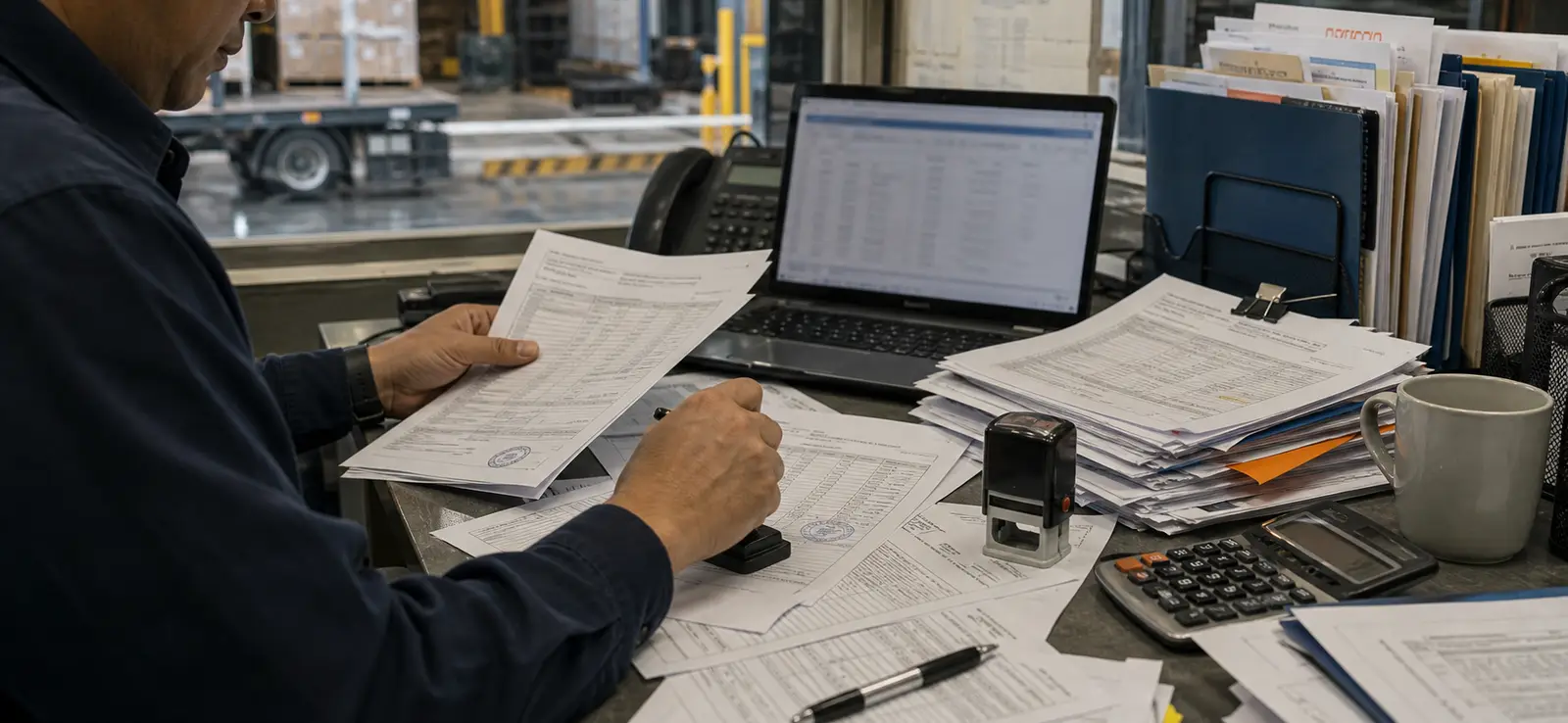
DDP Incoterms: Delivered Duty Paid Explained
DDP (Delivered Duty Paid) puts freight, import clearance, duties and taxes on the seller through delivery at the named place. The buyer handles unloading.
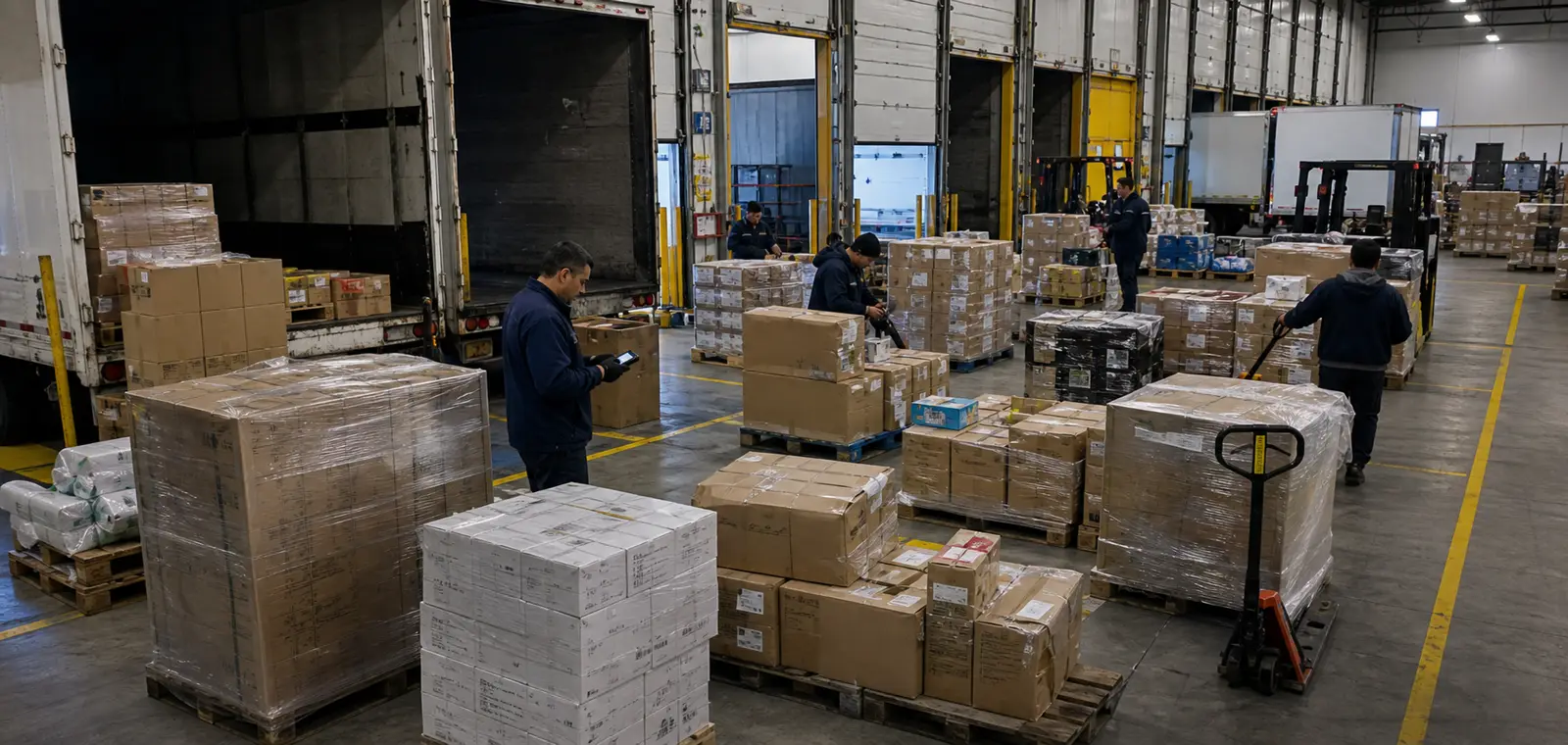
Freight Class Explained: The NMFC Guide for LTL Shippers
Freight class decides what you pay for every LTL shipment in the US. Get the class wrong, and the carrier re-bills you at a higher rate plus a fee. This guide covers all 18 classes, the four factors behind them, and a simple way to calculate your density.
HS Code Classification: How to Find the Right Code
Every product that crosses a border needs an HS code. That code sets your duty rate, your tariff exposure, and your audit risk. This guide explains how the system works and how to classify any product step by step — no customs background required.
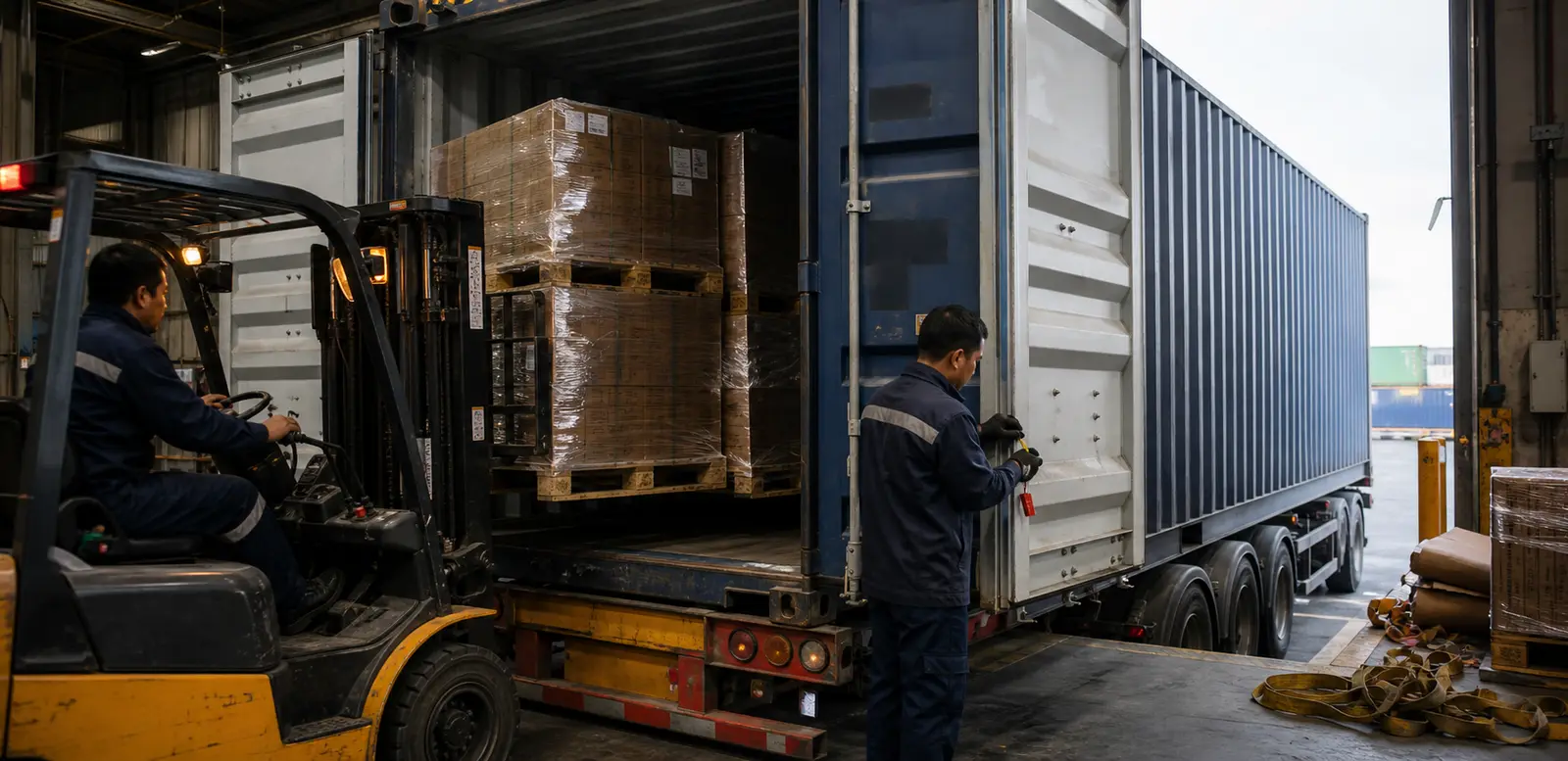
Shipping Container Sizes: The Complete Dimensions Guide
Every container looks the same from the dock, but the wrong choice costs real money. This guide covers the exact dimensions of 20ft, 40ft, and High Cube containers, plus pallet counts for each. It also shows which specialized box to book when standard equipment will not do.
Telex Release vs Original B/L: Which Release Method Fits Your Shipment?
A telex release lets your buyer collect cargo without paper documents. An original bill of lading keeps the cargo locked until the seller gets paid. Pick the wrong one and you either delay your container or lose control of your goods. This guide shows you exactly when to use each method.
CIF Incoterms: Cost, Insurance & Freight Explained
CIF (Cost, Insurance and Freight) is an Incoterm rule where the seller pays for ocean freight and cargo insurance, all the way to the destination port. But risk still passes to the buyer once goods get loaded on board the vessel at the origin port — not when they arrive. CIF is one of the most-used Incoterms for sea freight, especially in commodity trade. This guide covers who does what, real cost examples, CIF vs FOB, and when CIF is the right pick for your shipments.
CPT Incoterms: Carriage Paid To Explained
CPT (Carriage Paid To) is an Incoterm where the seller pays freight costs to a named destination, but risk transfers to the buyer the moment goods are handed to the first carrier at origin. This split between cost and risk is what makes CPT unique — and what causes the most confusion. This guide covers every obligation, real cost examples, and when CPT is better than CIF, CIP, or DAP.
DAP Incoterms: Delivered at Place Explained
DAP (Delivered at Place) is an Incoterm. Under this rule, the seller delivers goods to a named place. The goods must be ready to unload. The seller pays every cost and carries all risk up to that point. The buyer takes over from there and handles import customs, duties, taxes, and unloading. DAP is a popular choice for B2B imports. It gives buyers a price that is close to a full door price, while buyers still stay in control of their own customs work.
EXW Incoterms: Ex Works Explained
EXW (Ex Works) puts pickup, export clearance, freight, import clearance and duties on the buyer. The seller only makes the goods available at the named place; for international shipments, FCA often avoids the export-clearance problem.
FAS Incoterms: Free Alongside Ship Explained
FAS (Free Alongside Ship) is an Incoterm rule where the seller delivers goods alongside the vessel, at the named port of shipment — on the quay or barge. The buyer must handle loading onto the vessel, ocean freight, insurance, and all import tasks. FAS is a niche Incoterm, used mostly for bulk commodities and break-bulk cargo. This guide explains when FAS makes sense, how it differs from FOB, and the full breakdown of who does what.
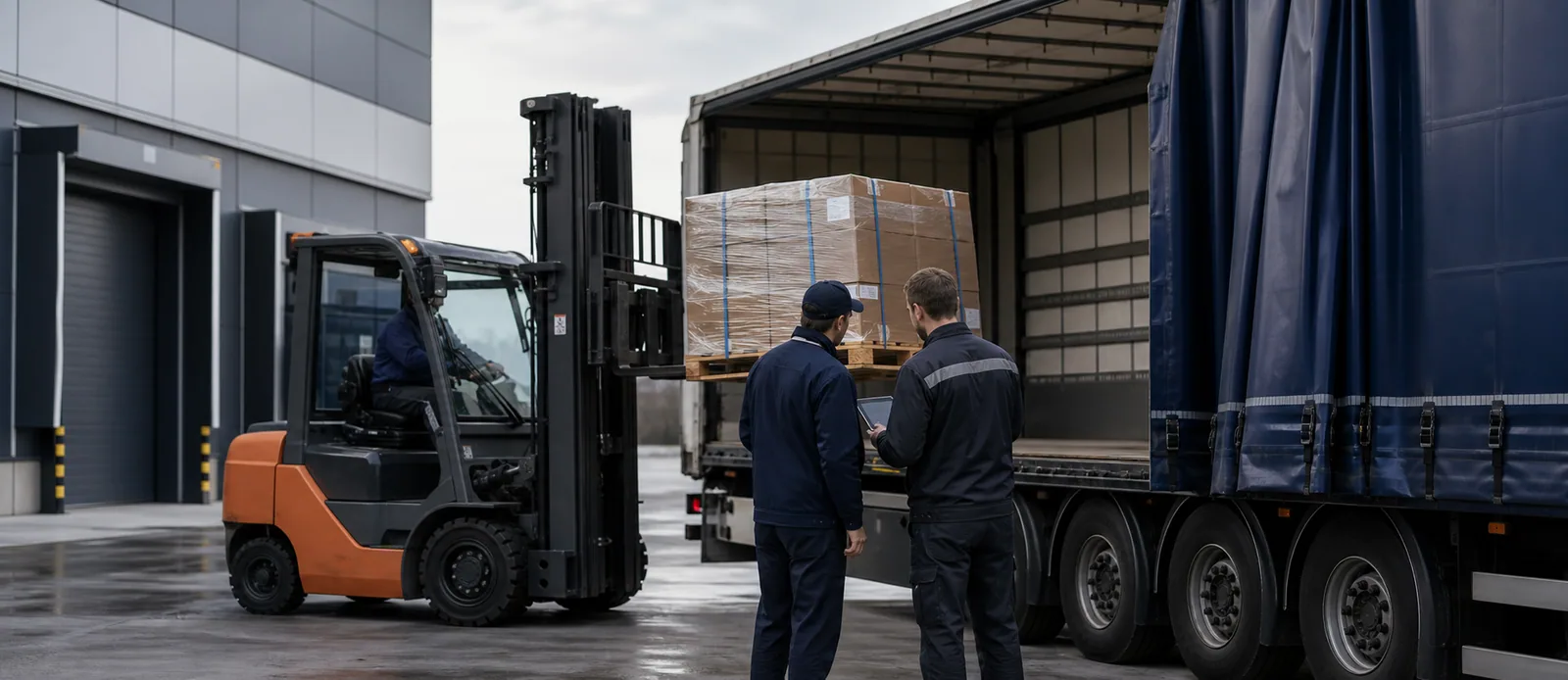
FCA Incoterms: Free Carrier Explained
FCA (Free Carrier) means the seller clears goods for export and delivers them to the buyer's carrier at the named place. From that handoff, the buyer takes the cost and risk; FCA works for every transport mode.
FOB Incoterms: Free on Board Explained
FOB (Free on Board) is the most widely used Incoterm in global sea freight. The seller handles export clearance and delivers goods on board the vessel at the named port of shipment. Once the goods are loaded, all costs and risks transfer to the buyer. FOB gives importers full control over ocean freight, carrier selection, and insurance — which is why it dominates B2B trade from China, India, and Southeast Asia.
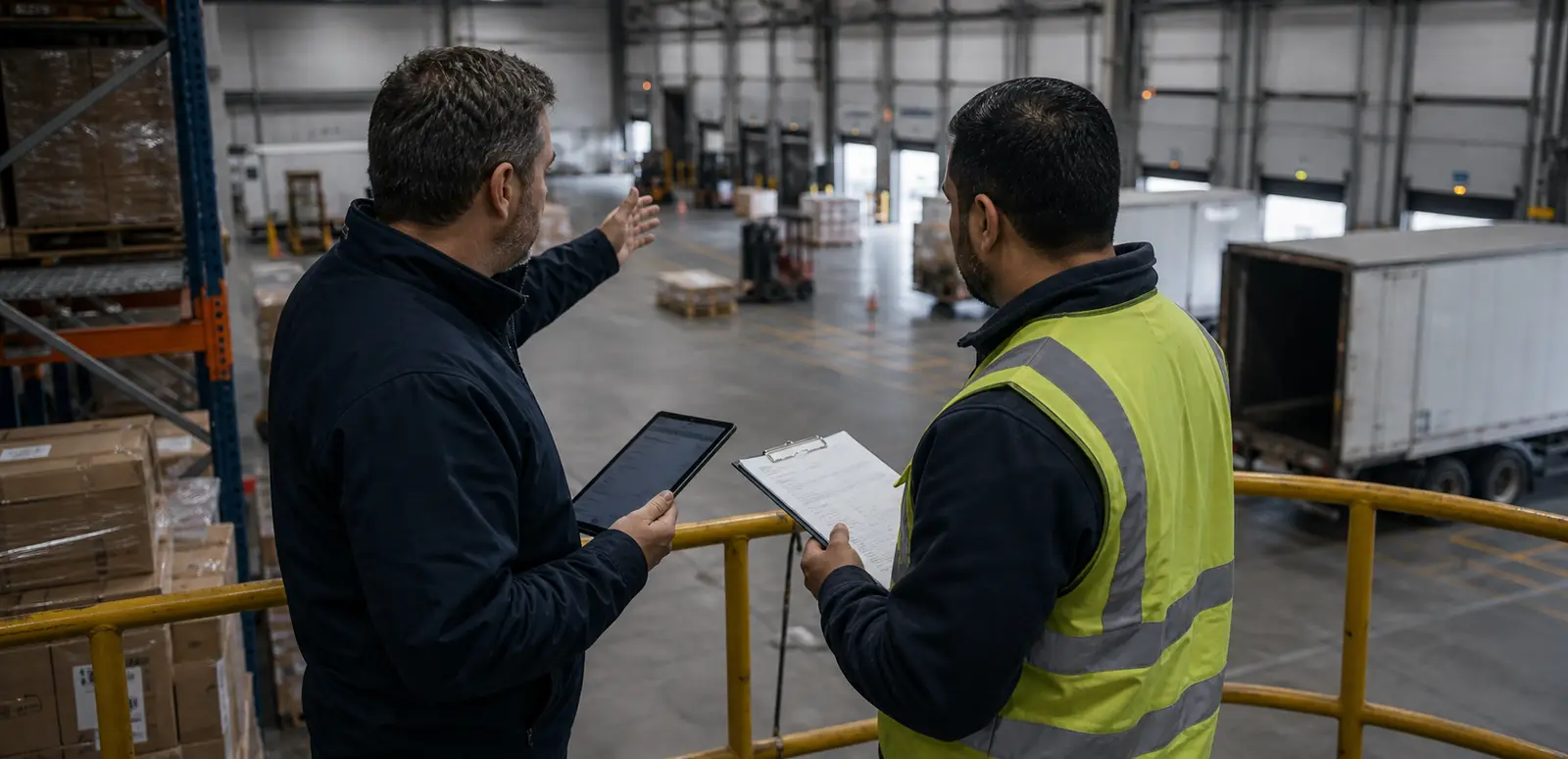
Freight Forwarding for Small Business: The Complete Beginner's Guide
Are you a small business, and is this your first time importing? The logistics world can feel like a lot. Incoterms, customs bonds, HS codes, LCL vs FCL, demurrage — it's a lot of new terms at once. This guide explains it all in plain language. Learn when you need a forwarder, what it costs, and how to dodge costly beginner mistakes.
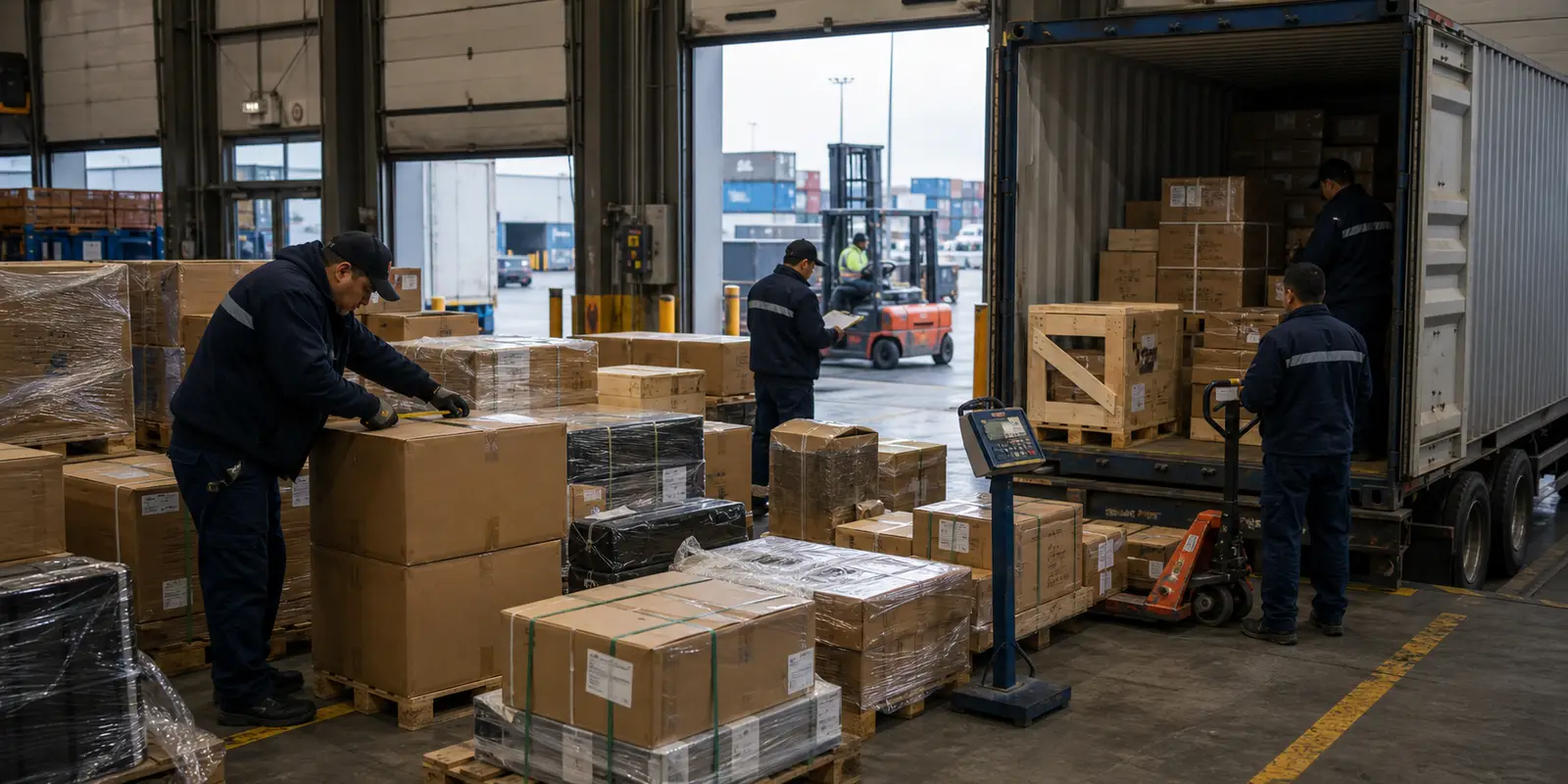
What Is LCL Shipping? The Complete Guide
LCL (Less Than Container Load) is often the cheapest way to ship goods by ocean, when you don't have enough cargo to fill a full container. Think of it as sharing a ride, instead of booking the whole vehicle — you pay only for the space you use.
What is Freight Forwarding?
A freight forwarder is the architect of global logistics. They coordinate the movement of goods across borders, managing carriers, customs, paperwork, and delivery — so you don't have to.
Customs Broker vs Freight Forwarder
Two key roles in global trade — but very different jobs. Here is what each one does, where they overlap, and when you need both.
Anything you need, we're here to help.
Talk to a real freight coordinator. Pick the channel that fits how fast you need an answer.
Request a quote
Share the route, cargo and timing so the quote can state its scope and exclusions.
Start a quoteTalk now on WhatsApp
Use WhatsApp for route questions, quote follow-up or shipment details.
Open WhatsAppEmail the team
Include your shipment details and preferred contact information.
contact@suaidglobal.com