

All articles — page 2
Guides, comparisons and cost breakdowns from the Suaid Global editorial team. No filler, no content farm.

FTZ vs Bonded Warehouse: Which Defers More Duty?
A Foreign-Trade Zone and a bonded warehouse both let duty wait while your goods sit. They differ on which rate you pay, how long you can wait, and what you may do with the cargo. This guide runs the comparison with the 2026 tariff rules in view.
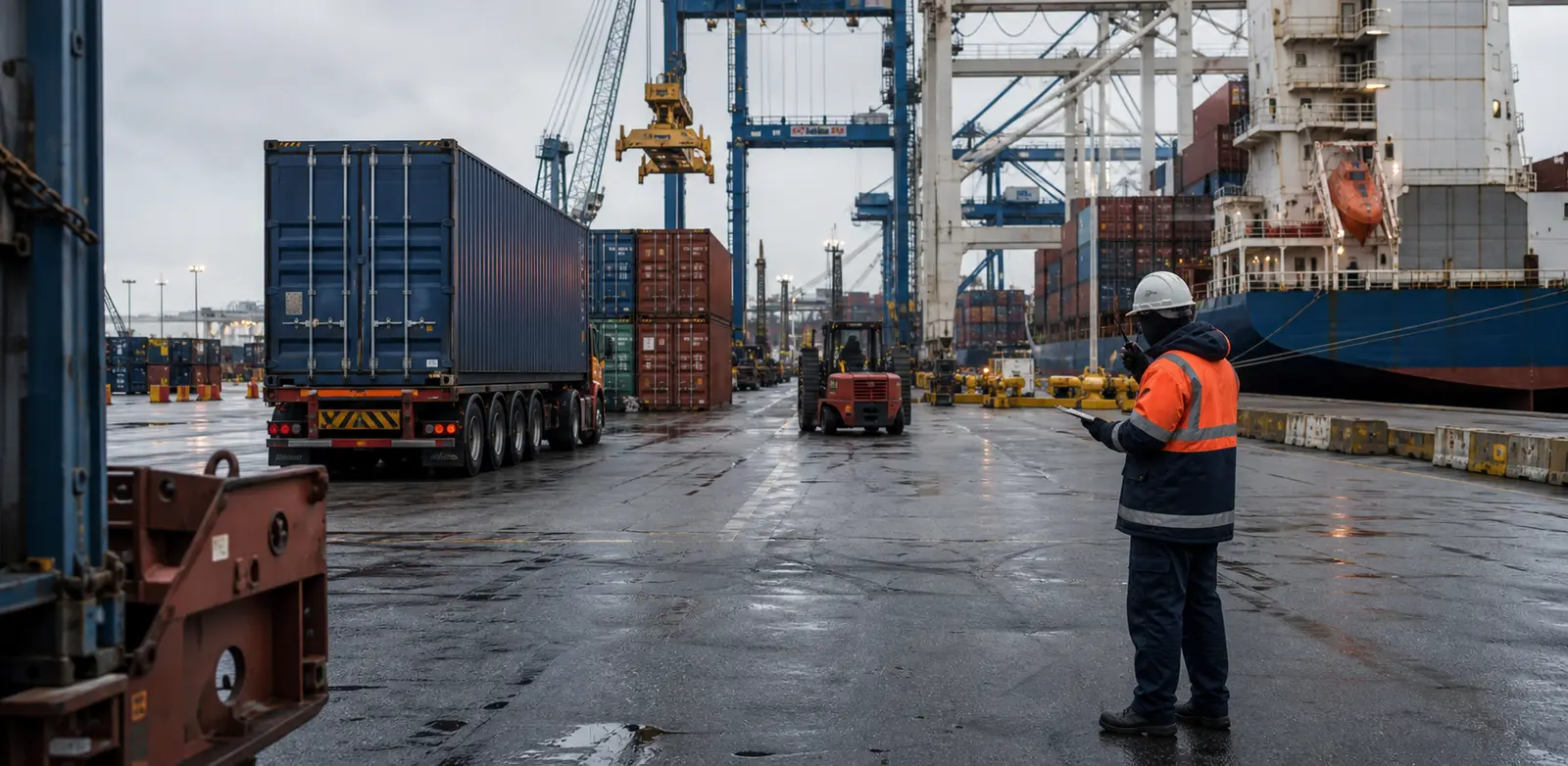
How to Import from India to USA in 2026
India ranks among the largest sources of US imports. It ships everything from generic drugs and diamonds to cotton apparel and machine parts. Maybe you're planning your first purchase order from an Indian supplier. Or you're moving part of your sourcing out of China. Either way, this guide covers the full process — costs, transit times, tariffs, documents, and customs clearance.
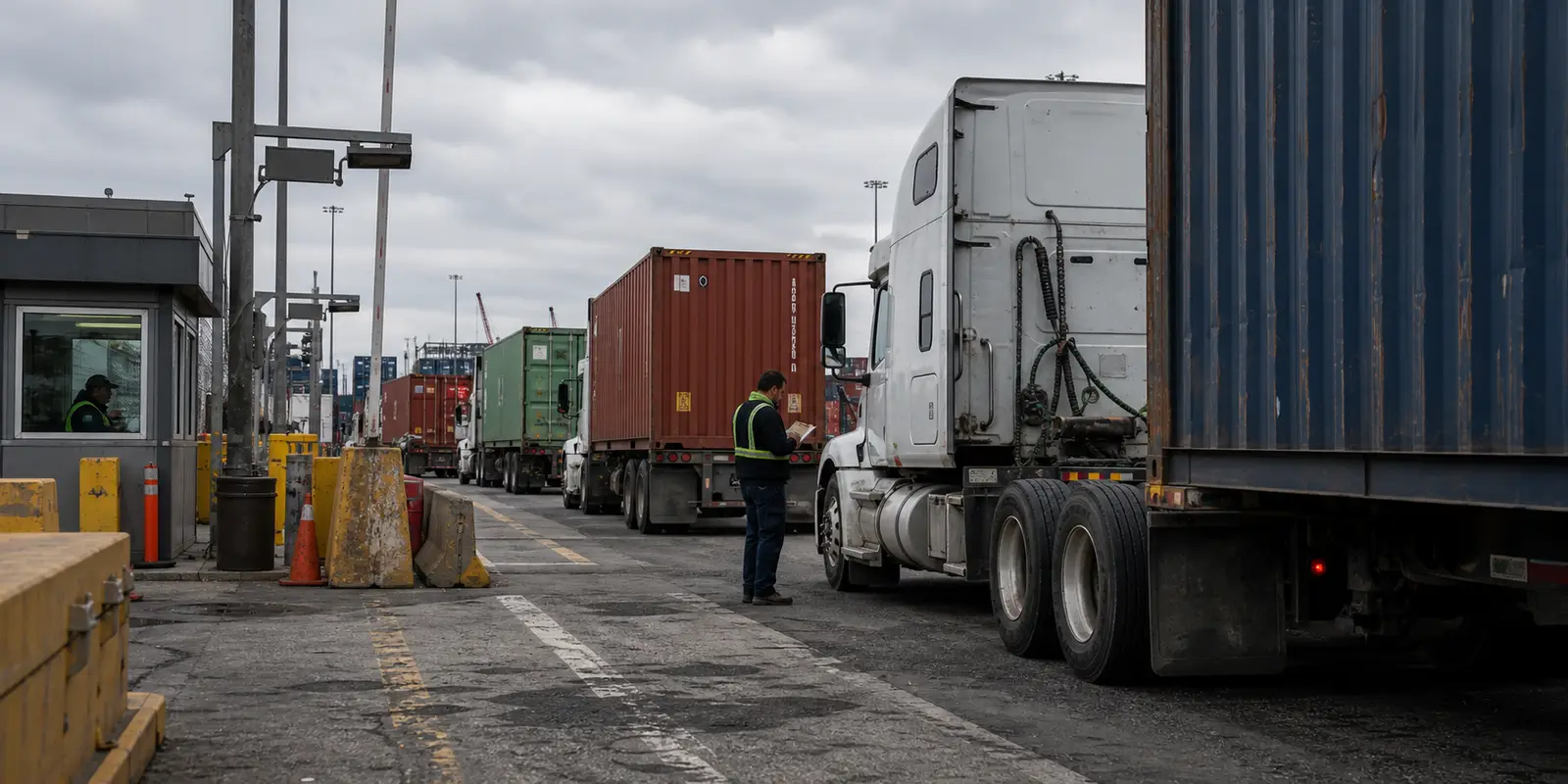
How to Import from Mexico to the USA
Mexico is the United States' largest trading partner, and most of that freight moves on wheels. Trucks cross the border in days, not weeks. USMCA can cut your duty bill to zero — if your goods qualify and your paperwork holds up. This guide walks through the full import process: shipping modes, border crossings, USMCA rules, documents, customs clearance, and fees.
How to Import from Vietnam to USA in 2026
Vietnam is now one of the largest sources of U.S. imports. Factories there make electronics, apparel, footwear, furniture, and much more. Maybe you're sourcing from Vietnam for the first time. Or you're moving part of a China supply chain there. Either way, this guide covers the full process. It runs from finding suppliers to clearing customs at U.S. ports.
How Ocean Freight Works: The Process from Quote to Delivery
Ocean freight moves your cargo by ship, in a container you fill alone (FCL) or share with other shippers (LCL). The process runs in eight steps: quote and booking, pickup, export clearance, port handling, ocean transit, import clearance, destination handling, and delivery. This guide walks you through each step, the people involved, and the documents you will need.
Ocean Freight Peak Season: Calendar, Surcharges & Booking Strategy
Ocean freight peak season runs from August through October, with a second rush before Chinese New Year. This guide walks through the full annual calendar, explains GRI and PSS charges, and shows how early to book by mode. Use it to keep cargo moving while everyone else scrambles for space.

Supply Chain Disruptions in 2026: Dated Notices & Shipment Decisions
Evidence reviewed on 12 September 2026. Read selected Red Sea, Panama Canal and port labor developments by date and scope. Use them to frame questions about your shipment; this page does not show live vessel or terminal status.
DDP Incoterms: Delivered Duty Paid Explained
DDP (Delivered Duty Paid) puts freight, import clearance, duties and taxes on the seller through delivery at the named place. The buyer handles unloading.
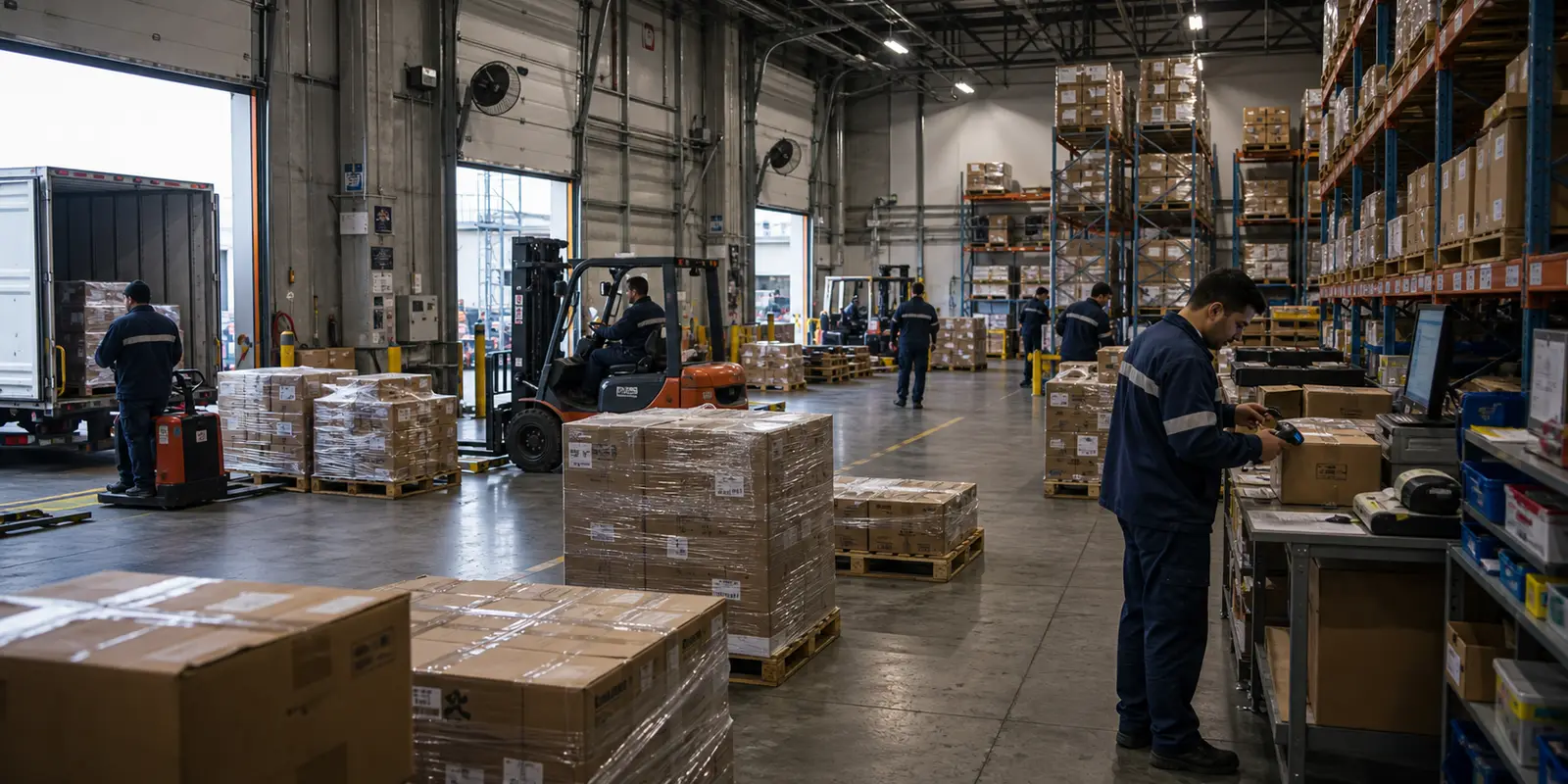
Bonded Warehouses: Defer Duty, Protect Cash Flow
A customs bonded warehouse lets you store imported goods without paying duty until you actually need them. In a high-tariff market, that timing shift can free serious working capital. This guide covers how bonded storage works, what it costs, and when it beats an FTZ or a standard warehouse.
Demurrage and Detention: Stop Paying for Idle Containers
Demurrage and detention charges punish every day your container sits idle. Rates typically run $150 to $450 or more per container, per day, and they escalate fast. This guide explains what each charge means, where it accrues, and eight practical ways to keep your invoice at zero.
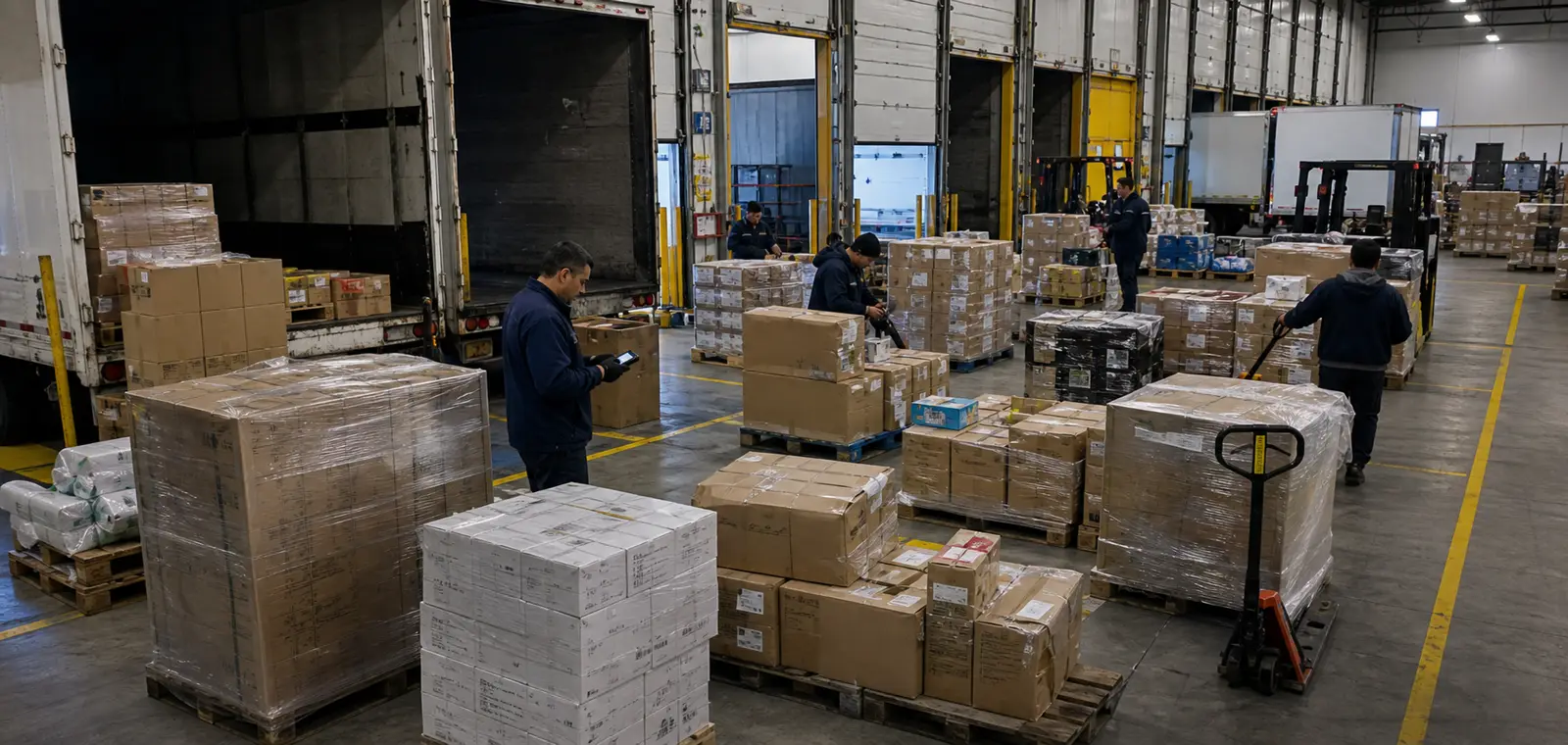
Freight Class Explained: The NMFC Guide for LTL Shippers
Freight class decides what you pay for every LTL shipment in the US. Get the class wrong, and the carrier re-bills you at a higher rate plus a fee. This guide covers all 18 classes, the four factors behind them, and a simple way to calculate your density.
HS Code Classification: How to Find the Right Code
Every product that crosses a border needs an HS code. That code sets your duty rate, your tariff exposure, and your audit risk. This guide explains how the system works and how to classify any product step by step — no customs background required.
Get the strategic issues first.
Data reports, corridor analyses and pricing outlooks for operators — qualified subscribers get the deep dives a week before they're published here.
By subscribing you agree to receive The Route Brief by e-mail. Unsubscribe anytime — one click, no questions.
Anything you need, we're here to help.
Discuss your shipment with Suaid Global. Choose a contact channel below.
Request a quote
Share the route, cargo and timing so the quote can state its scope and exclusions.
Start a quoteTalk now on WhatsApp
Use WhatsApp for route questions, quote follow-up or shipment details.
Open WhatsAppEmail the team
Include your shipment details and preferred contact information.
contact@suaidglobal.com