
Tools Support
Shipping Corridor

Shenzhen to Miami Freight

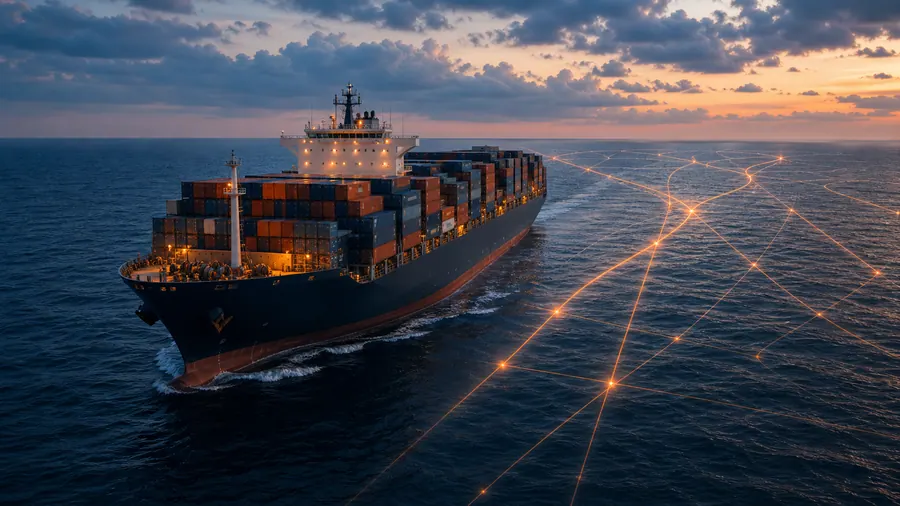
We ship by ocean or air from Shenzhen's Yantian and Shekou terminals to Miami and Port Everglades. This lane moves consumer electronics, fashion accessories, toys, and general cargo, all via the Panama Canal.

The Lane

One corridor, no carrier bias.

Suaid Global compares routing, mode, customs requirements and final delivery as one plan, so the quoted option is aligned to timing, documentation and landed cost.

Corridor at a glance
Ocean FCL (via Panama Canal)
28–36 days
Ocean LCL
35–45 days
Air Freight
5–8 days
Origin gateways
Yantian International Container Terminal · Shekou Container Terminal · Chiwan Container Terminal
Destination gateways
Port of Miami · Port Everglades (Fort Lauderdale)
Top cargo
Consumer Electronics · Fashion Accessories & Clothing · Toys & Games · Household Products · Sporting Goods · General Merchandise
Transit Times

Mode by mode.

Use these as planning ranges. Door-to-door timing still depends on pickup, clearance, port dwell and final delivery.

ModeTransitBest fit
Ocean FCL (via Panama Canal)China to United States28–36 daysConsumer goods, electronics, apparel, toys — routed through Panama Canal to South FloridaQuote this mode
Ocean LCLChina to United States35–45 daysSmaller loads, mixed cargo, and Amazon FBA inventory headed to Florida-area fulfillment centersQuote this mode
Air FreightChina to United States5–8 daysFast fashion, consumer electronics, and urgent cargo via Hong Kong or Shenzhen airportsQuote this mode

Ranges are planning estimates from the corridor profile. Dated quotes confirm sailing, uplift, drayage and clearance assumptions.

Planning

Customs and landed-cost planning.

This corridor is not just a freight leg. Duties, agency reviews, document timing and mode selection all affect the real landed cost.

Ocean planning range28–36 days typical
Air planning range5–8 days typical
Quote modelAll-in routing review
Review verified U.S. HTS duty components
Reviewed Before Booking

What changes the plan

Customs requirementsShipments from Shenzhen to Miami need an ISF filed 24 hours before the vessel departs. CBP at Miami and Port Everglades handles a large flow of Asian cargo each and every day. You will need these papers: a commercial invoice, a packing list, a bill of lading, and CBP Form 7501, filed with the right Section 301 Chapter 99 HTS codes. Consumer products also need CPSC compliance papers — a GCC for regulated types. Electronics need FCC sign-off. Food and drugs need FDA Prior Notice. Toys need ASTM F963 test papers, or an equal, valid safety standard.
Tariff and duty treatmentSince Shenzhen goods count as Chinese-origin, they face the MFN tariff rate, plus Section 301 tariffs (7.5%–25%), plus any IEEPA (2025) duties that may apply. Consumer electronics (Section 301 List 4A) sit at just 7.5%. Apparel can run up to 32% MFN, plus 7.5–25% more under Section 301. Toys can run up to 12% MFN, plus Section 301 on top. Add it all up, and total rates on consumer goods from Shenzhen often land between 20% and over 50%. Note, too, that the de minimis exemption for Chinese goods is now fully suspended.
Carrier-neutral routingOptions are compared by schedule, transshipment risk, customs exposure and final delivery, not by carrier preference.
Services

Services on this corridor.

Ocean Freight

FCL, LCL & global consolidation

Customs Brokerage

Clearance & compliance

Air Freight

Express, charter & consolidated

FAQ

China to United States, answered.

Planning answers from the corridor profile. A dated quote confirms the route, carrier and customs assumptions for your shipment.

Ocean freight from Shenzhen (Yantian) to Miami, via the Panama Canal, takes about 28–36 days in total. On the way, the route covers the South China Sea, then the Strait of Malacca, then the Indian Ocean, and finally the Panama Canal transit, before your cargo lands in South Florida. Air freight from Shenzhen Bao'an Airport, or from Hong Kong International Airport, to Miami takes just 5–8 days, with one or two stops along the way.
Miami sits on the US East Coast and Gulf Coast, so the Panama Canal route is the natural pick for trans-Pacific cargo from South China. Vessels leave Shenzhen and sail east across the Pacific, then pass through the Panama Canal, before heading north to Miami or Fort Lauderdale. The other option, a trans-Atlantic route through Asia, the Indian Ocean, and the Suez Canal, adds several more days. So the Panama Canal route stays the standard choice for Shenzhen–Miami.
Shenzhen has three main container port clusters, and each one plays a role. Yantian sits in eastern Shenzhen and is run by HPH Trust; it works as the main deep-water terminal, with direct trans-Pacific service. Shekou sits in western Shenzhen and is run by CMPort; several alliance carriers call there. Chiwan also sits in west Shenzhen, and Cosco/China Merchants runs it. All three ports can serve cargo bound for Miami. Even so, most shippers still prefer Yantian for direct US East Coast service, since it has deeper berths and more room for bigger ships.
Shenzhen serves as China's hub for electronics and tech, and it is home to Huawei, Foxconn, DJI, BYD, and hundreds of other consumer electronics plants. So it makes sense that Miami-bound cargo from Shenzhen often includes electronics and gadgets, phones and their accessories, fashion jewelry, toys and games, sporting goods, household items, and Amazon FBA stock bound for Florida-area fulfillment centers. On top of that, South Florida's Latin American trade community also uses this same lane for re-export cargo.
Both ports get cargo to Miami in a similar time overall — 28–36 days from Shenzhen, and 30–38 days from Shanghai. So your best choice really depends on where your suppliers sit. If your Pearl River Delta suppliers are in Guangdong province, they sit closest to Shenzhen and Guangzhou. If your Yangtze River Delta suppliers are in Jiangsu or Zhejiang, they sit closest to Shanghai instead. When you source from more than one region, Suaid Global can even combine cargo from both port clusters into just one shipment, when that makes sense for you.
Suaid Global's US partner network keeps close watch over every arrival at Miami and Port Everglades. We handle the ISF filing, the CBP entry (customs clearance), port arrival tracking, drayage from Port of Miami or Port Everglades to your facility or Amazon FC, and any exam that comes up. Our broker and carrier partners at the port respond fast to CBP questions, so your demurrage risk stays low.
More questions in Support
Quote This Corridor

Send the lane. We'll shape the route.

Tell us the cargo, volume, Incoterm and timing. A coordinator replies with routing options and an all-in number.

Response within 1 business dayFrom a coordinator, not an autoresponder.
Ready to price a shipment?Skip the form — get a quote

Corridor pre-selected: China to United States · Handled by the operating team, not a call center.

Suaid Global

Independent freight orchestrator for global ocean, air, ground, customs and warehousing. Carrier-neutral routing, one accountable team, no carrier lock-in.

Ocean, air and ground — compared carrier-neutrally, quoted all-in, and coordinated door-to-door by one accountable team.

Suaid Global does not sell carrier capacity. Each lane is compared across ocean, air, inland, customs and warehousing partners, then coordinated through one operating owner from request to delivery.

Select Language